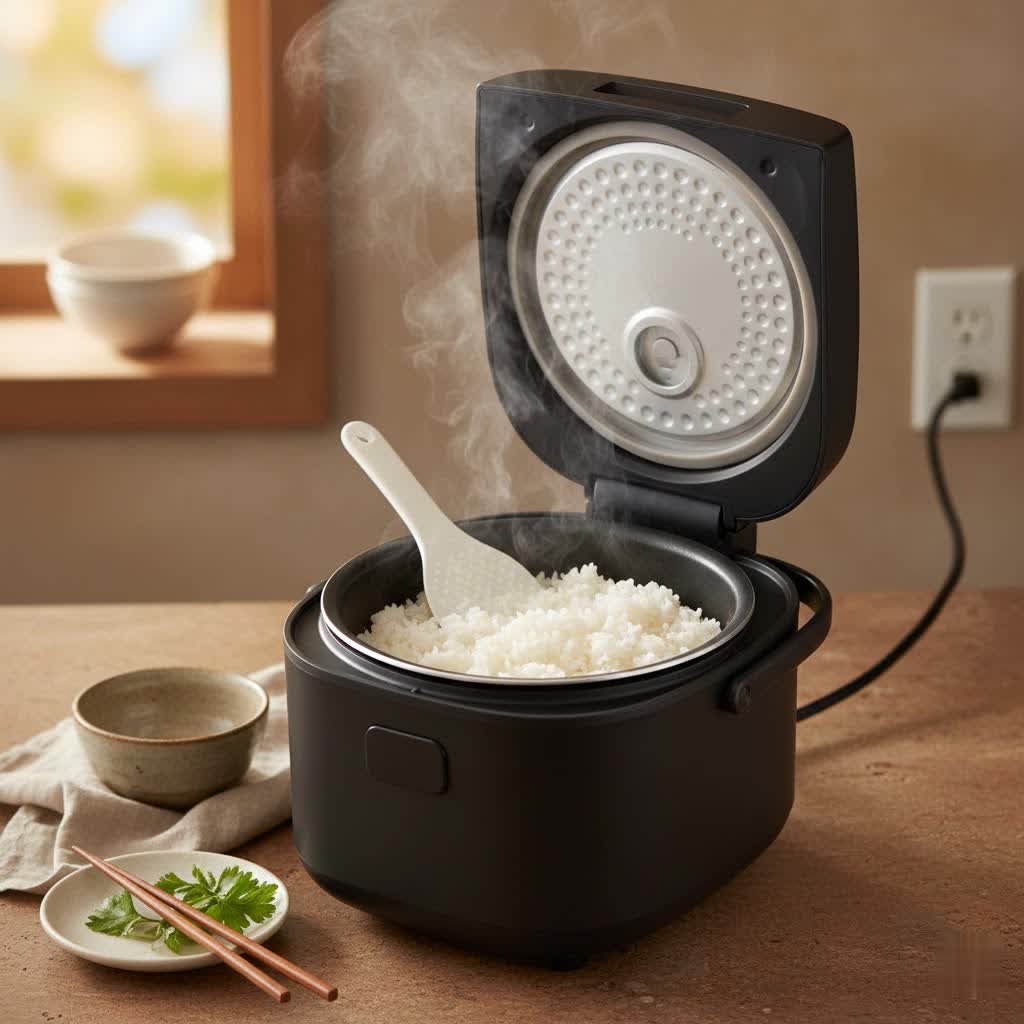
Waking up to a hearty, wholesome breakfast without the morning rush can transform your day. For many, steel cut oats offer that perfect blend of nutrition and sustained energy. Traditionally, they require time and attention on the stovetop, a luxury most busy mornings don’t afford. However, with the clever use of modern kitchen appliances like rice cookers, slow cookers, and electric pressure cookers, you can effortlessly prepare delicious steel cut oats overnight, ready to enjoy as soon as you rise. This guide will walk you through the various methods, helping you choose the best cooker for your lifestyle and master the art of hands-off breakfast preparation.
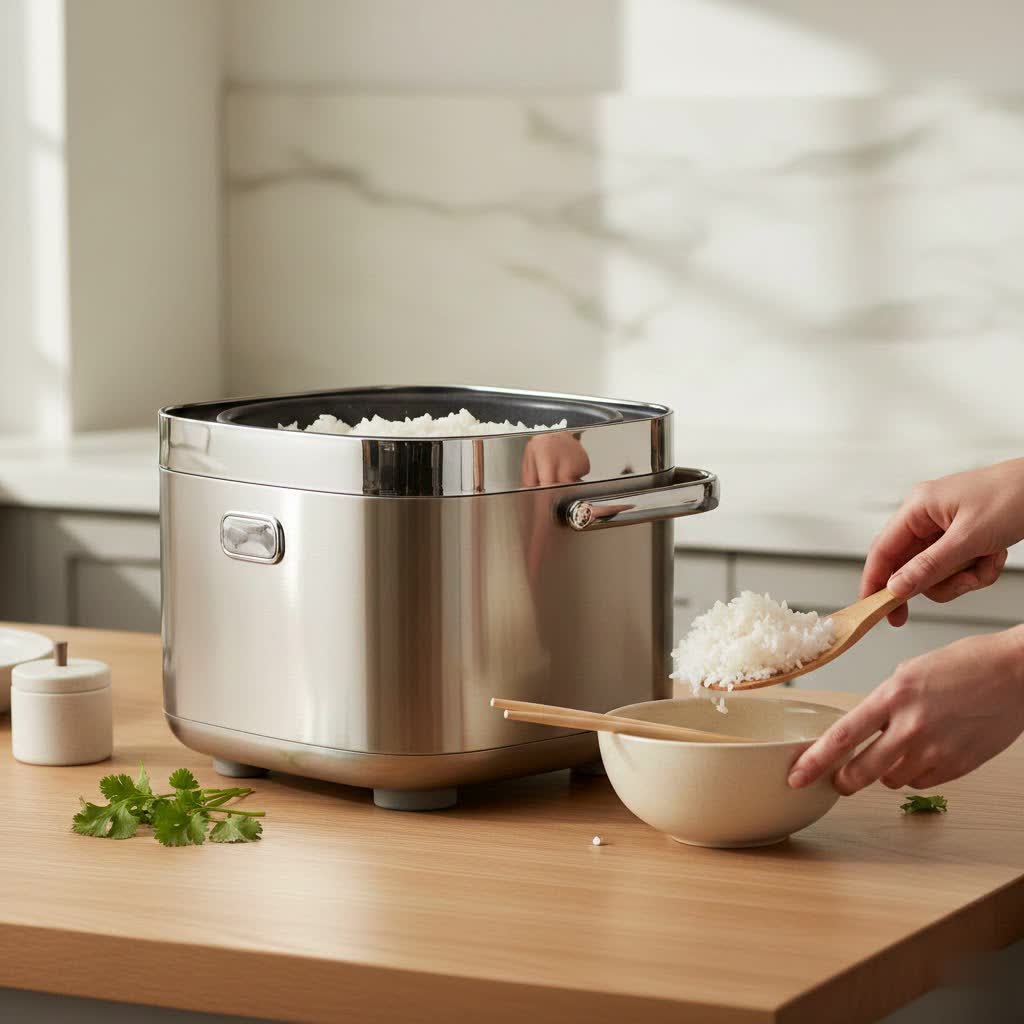
Choosing the Right Cooker for Your Overnight Steel Cut Oats
Deciding which appliance to use for your overnight steel cut oats depends on your specific needs, desired texture, and the features of your available kitchen gadgets. Each type of cooker offers a unique advantage, making it easy to integrate this nutritious meal into your routine.
Rice Cookers: The Set-and-Forget Solution
Many modern rice cookers are surprisingly adept at preparing more than just rice; they often feature dedicated “Steel Cut Oatmeal” or “Porridge” settings. The most significant advantage for overnight cooking is their built-in delay timer function. You can combine your oats and water before bed, set the timer, and wake up to perfectly cooked, warm oatmeal. Typically, a ratio of one cup of steel cut oats to two and a half cups of water works well. It’s important to note that if you plan to use the delay timer, it’s best to cook with water and add milk or dairy products only after the oats are cooked, as milk can spoil if left at room temperature overnight.
Slow Cookers: Gentle, Long-Cook Perfection
The slow cooker, or Crockpot, is another excellent choice for overnight steel cut oats, particularly if you appreciate a creamier texture. Its ability to cook ingredients gently over several hours on a low heat setting makes it ideal for an extended cooking cycle while you sleep. A common ratio is one cup of steel cut oats to three to six cups of liquid, which can be water, milk, or a combination. Cooking on low typically takes between five to eight hours, depending on your desired consistency. To prevent the oats from sticking to the bottom and sides, it’s advisable to lightly grease the slow cooker insert with butter or cooking spray before adding your ingredients.
Electric Pressure Cookers (Instant Pot): Speed and Convenience
While “overnight” often implies long cooking times, an electric pressure cooker like an Instant Pot offers a hands-off approach that can be set to cook and hold warmth until morning. Although Instant Pot manuals sometimes caution against cooking oats due to potential foaming and blockage of the pressure release valve, users successfully prepare steel cut oats by adjusting liquid ratios and using the delay start function. A typical ratio is one cup of steel cut oats to two and a half to four cups of liquid (water is safest). Cook for approximately four to ten minutes at high pressure, followed by a natural pressure release. For added safety and to prevent burning, the “pot-in-pot” method can be employed, where the oats are cooked in a separate, smaller, oven-safe bowl placed inside the Instant Pot with water in the main liner.
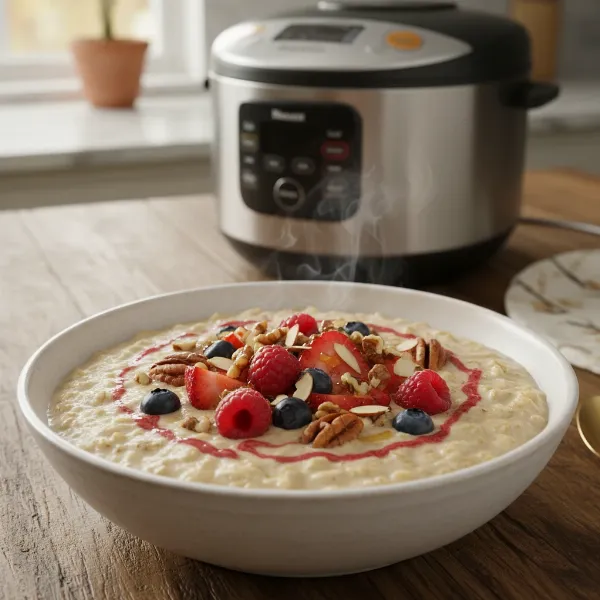 A beautifully prepared bowl of steel cut oats in a modern kitchen setting, with a cooker in the background, showcasing a healthy breakfast.
Essential Factors for Perfect Overnight Steel Cut Oats
Achieving the perfect bowl of steel cut oats requires attention to a few key elements, regardless of the cooker you choose. These factors ensure your breakfast is delicious, safe, and ready when you are.
Oat to Liquid Ratio
The ratio of oats to liquid is critical for the desired consistency. For a thicker oatmeal, use less liquid; for a creamier, looser texture, add more. General guidelines are:
- Rice Cooker: 1 cup steel cut oats to 2.5 cups water.
- Slow Cooker: 1 cup steel cut oats to 3-6 cups liquid (water, milk, or a mix).
- Electric Pressure Cooker: 1 cup steel cut oats to 2.5-4 cups water.
Experimentation is key to finding your personal preference.
|
Our Picks for the Best Rice cooker in 2026
As an Amazon Associate I earn from qualifying purchases.
|
||
| Num | Product | Action |
|---|---|---|
| 1 | Aroma Housewares Professional Plus ARC-5000SB 20 Cup (Cooked) Digital Rice Cooker, Food Steamer, Slow Cooker, Stainless Exterior/Nonstick Pot, Silver, Black, 10-cup uncooked/20-cup cooked/4QT |

|
| 2 | Aroma Housewares ARC-994SB Rice & Grain Cooker Slow Cook, Steam, Oatmeal, Risotto, 8-cup cooked/4-cup uncooked/2Qt, Stainless Steel |
|
| 3 | GreenLife Rice Cooker with Removable PFAS-Free Ceramic Nonstick Pot, 3-Cups Uncooked/6-Cups Cooked, Grains & Oatmeal Multicooker, Compact One-Switch Design, Auto Keep Warm, Easy Clean, Cream |
|
| 4 | BLACK+DECKER 16-Cup Rice Cooker, RC516, 8-Cup Uncooked Rice, Steaming Basket, Removable Non-Stick Bowl, One Touch |
|
| 5 | Zojirushi NS-TSC10 5-1/2-Cup (Uncooked) Micom Rice Cooker and Warmer, 1.0-Liter |
|
| 6 | Elite Gourmet Electric Rice Cooker with Steam Tray and Non-Stick Inner Pot Makes Soups, Stews, Grains, Cereals, Keep Warm Feature, 6 Cups Cooked (3 Cups Uncooked), Black |
|
| 7 | COSORI Rice Cooker 10 Cup, 24h Keep Warm, Non-stick Ceramic Inner Pot, 18 Functions Fuzzy Logic Rice Maker with Stainless Steel Steamer Basket, Sauté, Slow Cooker, Black |
|
| 8 | AROMA® Rice Cooker, 3-Cup (Uncooked) / 6-Cup (Cooked), Small Rice Cooker, Oatmeal Cooker, Soup Maker, Auto Keep Warm, 1.5 Qt, White, ARC-363NG |
|
| 9 | Elite Gourmet ERC006SS 6-Cup Electric Rice Cooker with Stainless Steel Inner Pot, Makes Soups, Stews, Porridges, Grains and Cereals, 6 cup (3 cups uncooked), Black |
|
| 10 | Dash Mini Ceramic Rice Cooker - Designed for Single-Serve Cooking - Compact Rice Cooker with Nonstick Removable Pot, Keep Warm Function & Easy-to-Clean Sleek Design - Black Ceramic |
|
Ingredients Beyond Oats
While steel cut oats and liquid form the base, a pinch of salt is essential to enhance the flavor. Beyond that, the possibilities are endless. Consider adding:
- Sweeteners: Brown sugar, maple syrup, honey (add after cooking or with water).
- Spices: Cinnamon, nutmeg, cardamom (add with oats).
- Fruits: Dried fruits like raisins or cranberries can be added at the start. Fresh fruits are best added after cooking.
- Healthy Fats: A spoonful of coconut oil or butter can add richness and help prevent sticking in slow cookers.
The Delay Timer Feature
The delay timer is the hero of overnight cooking. Most rice cookers and electric pressure cookers have this function, allowing you to set a specific time for the cooking cycle to begin and finish. For instance, if you want your oats ready at 7:00 AM and cooking takes one hour, you’d set the delay to ensure it starts at 6:00 AM. Always ensure you understand your cooker’s specific delay timer settings.
Preventing Sticking and Overflow
To avoid a messy clean-up or ruined breakfast, always ensure there is enough headspace in your cooker. Oats expand significantly during cooking. For slow cookers, greasing the insert is highly recommended. In rice cookers, sticking is less common if a non-stick pot is used, but a generous liquid ratio helps. For pressure cookers, sticking can occur if the liquid is too low or if you don’t use the pot-in-pot method.
Step-by-Step Guides for Each Cooker Type
Having explored the individual merits of different cookers, let’s dive into the practical steps for preparing your overnight steel cut oats. Each method is designed for maximum convenience, ensuring you wake up to a delicious and ready-to-eat breakfast.
Overnight Steel Cut Oats in a Rice Cooker
- Prepare Ingredients: Combine 1 cup of steel cut oats and 2.5 cups of water in the inner pot of your rice cooker. Add a pinch of salt. (Note: Avoid using milk if utilizing the delay timer to prevent spoilage).
- Set Up Cooker: Place the inner pot into the rice cooker. Close the lid securely.
- Program Delay Timer: Select the “Steel Cut Oatmeal” or “Porridge” setting if available. Use the delay timer function to set the desired time for your oats to be ready in the morning. For example, if you want breakfast at 7:00 AM and the cooking cycle is 1 hour, set the delay to finish at 7:00 AM.
- Wake Up and Enjoy: In the morning, open the lid, give the oats a good stir, and add any desired toppings like fresh fruit, nuts, or a splash of milk or cream.
Overnight Steel Cut Oats in a Slow Cooker
- Prepare Cooker: Lightly grease the inside of your slow cooker insert with butter or cooking spray to prevent sticking.
- Add Ingredients: Combine 1 cup of steel cut oats, 3-4 cups of liquid (water, dairy milk, or non-dairy milk), a pinch of salt, and any desired spices or sweeteners in the greased slow cooker. Stir well.
- Set and Forget: Cover with the lid and set your slow cooker to the LOW setting for 5-8 hours. The exact time will depend on your slow cooker model and desired consistency. This can be set before you go to bed.
- Morning Ready: Upon waking, stir the oats thoroughly. If they are too thick, you can stir in a little more hot water or milk to reach your preferred consistency. Serve with your favorite toppings.
Overnight Steel Cut Oats in an Electric Pressure Cooker
- Combine Ingredients: Add 1 cup of steel cut oats and 2.5-3 cups of water to your electric pressure cooker’s inner pot. A pinch of salt is recommended. (For the pot-in-pot method, place these ingredients in an oven-safe bowl, put the bowl on a trivet inside the Instant Pot, and add 1 cup of water to the main Instant Pot liner).
- Secure Lid: Close the lid and ensure the venting knob is in the sealing position.
- Program Delay Cook: Select the “Porridge” or “Manual/Pressure Cook” setting. Set the cooking time to 4-10 minutes (adjust for texture preference). Use the delay start function to program when you want the cooking to begin so it’s ready by morning, accounting for heating and natural release time (approximately 25-45 minutes total for cooking and release after the delay).
- Natural Release and Serve: Allow for a full natural pressure release. Once the float valve drops, carefully open the lid. Stir the oats well to incorporate any liquid. Garnish with toppings and serve.
Benefits of Overnight Steel Cut Oats
Beyond the undeniable convenience, incorporating overnight steel cut oats into your diet offers a multitude of health advantages and simplifies your meal preparation routine.
Steel cut oats are a whole grain, packed with soluble fiber, which is known to help lower cholesterol and regulate blood sugar levels. Their complex carbohydrate structure means they digest slowly, providing a sustained release of energy that keeps you feeling full and focused throughout your morning. This steady energy can prevent mid-morning slumps and reduce the urge for unhealthy snacking.
The time-saving aspect is perhaps the most immediate benefit. By preparing your oats the night before, you eliminate the morning rush, freeing up valuable time for other activities or simply a more relaxed start to your day. It’s an excellent strategy for meal prepping, allowing you to have multiple servings ready for the week ahead. This convenience doesn’t just save time; it also removes a barrier to healthy eating, making it easier to stick to nutritious breakfast choices consistently.
Troubleshooting Common Issues
Even with the most straightforward methods, occasional challenges can arise when cooking overnight steel cut oats. Knowing how to address these common issues will help you achieve perfect results every time.
Oats too Watery or Thick: The ideal consistency is a matter of personal preference. If your oats are too watery, try reducing the liquid by ¼ cup next time. If they are too thick, add an extra ¼ cup of liquid to your next batch, or simply stir in a splash of hot water or milk after cooking to reach your desired texture.
Sticking to the Pot: This is more common in slow cookers. Ensure you thoroughly grease the slow cooker insert with butter, coconut oil, or cooking spray before adding your ingredients. Using a slow cooker liner can also be an effective solution for easier cleanup. For rice cookers with non-stick inserts, sticking is less frequent, but ensuring adequate liquid helps.
Foaming in Instant Pot: The Instant Pot’s manual often warns about oats causing foaming and potentially blocking the pressure valve. To mitigate this, ensure you adhere to the recommended liquid ratios (often 1:2.5 to 1:4 oats to liquid). Using the pot-in-pot method, where your oat mixture is in a separate bowl elevated on a trivet within the main pot (with water below), is an excellent way to prevent both foaming and burning.
Oats Spoiling with Milk (Rice Cooker Delay): If you’re using the delay timer on a rice cooker, raw milk or dairy products can spoil if left at room temperature overnight. To avoid this, cook your steel cut oats with only water using the delay function. Once cooked and warmed in the morning, stir in your desired milk or cream.
Expert Tips for Enhancing Your Overnight Oats
Elevate your overnight steel cut oats from good to gourmet with these expert tips and tricks, designed to maximize flavor, texture, and convenience.
Consider pre-soaking your steel cut oats in cold water for a few hours or even overnight before adding them to your cooker. This step can significantly soften their texture, resulting in a creamier, less chewy consistency, and may also reduce overall cooking time slightly. While not strictly necessary for all cooker types, it can be a game-changer for those who prefer a very tender oat.
The beauty of plain cooked steel cut oats lies in their versatility. Think of them as a blank canvas for a myriad of delicious additions. Stir in fresh or frozen berries, sliced bananas, or diced apples for natural sweetness and nutrients. A sprinkle of chopped nuts like almonds, walnuts, or pecans adds a delightful crunch and healthy fats. For extra flavor, consider a drizzle of maple syrup, a spoonful of honey, or a dash of cinnamon or cardamom after cooking. For a protein boost, a scoop of protein powder or a tablespoon of nut butter can be stirred in just before serving.
Cooked steel cut oats store exceptionally well, making them perfect for batch cooking. Once cooked, allow them to cool completely before transferring them to airtight containers. They can be refrigerated for up to 5-7 days. To reheat, simply scoop a portion into a microwave-safe bowl or a small saucepan, add a splash of water or milk to loosen, and heat gently until warm, stirring occasionally. This preparation method ensures you have quick, healthy breakfasts throughout the busy workweek.
Conclusion
Preparing steel cut oats overnight in a cooker is a simple yet profound way to revolutionize your morning routine. Whether you opt for the convenience of a rice cooker’s delay timer, the gentle, long-cook perfection of a slow cooker, or the hands-off efficiency of an electric pressure cooker, a warm, nutritious breakfast can be ready and waiting for you. By understanding the specific requirements of each appliance—from ideal oat-to-liquid ratios to smart delay timer usage and troubleshooting common issues—you empower yourself to consistently enjoy a healthy start to your day. Embrace the ease and health benefits of overnight steel cut oats, and discover how this small change can bring greater peace and nourishment to your mornings.
Which cooker will you choose for your next batch of overnight steel cut oats?
Frequently Asked Questions
What is the best liquid-to-oat ratio for steel cut oats in a cooker?
The ideal ratio varies slightly by cooker, but generally, for every 1 cup of steel cut oats, use 2.5 cups of water in a rice cooker or electric pressure cooker, and 3-6 cups of liquid in a slow cooker, depending on your preferred consistency.
Can I use milk when cooking steel cut oats overnight in a rice cooker?
It is generally recommended to cook steel cut oats with water when using a rice cooker’s delay timer, as milk can spoil if left at room temperature overnight. Add milk or other dairy products after the oats have finished cooking and are warm.
How long do steel cut oats take to cook overnight in a slow cooker?
Steel cut oats typically cook for 5-8 hours on the LOW setting in a slow cooker for overnight preparation. The exact time may vary based on your specific slow cooker model and desired texture.
Is it safe to leave cooked steel cut oats on “keep warm” for hours?
Yes, most cookers are designed to keep food warm safely for several hours after cooking is complete. This feature is particularly useful for overnight oats, allowing you to enjoy a warm breakfast even if you don’t eat it immediately.
How do I prevent oats from foaming in an Instant Pot?
To prevent foaming in an Instant Pot, ensure you use the recommended liquid ratio (1:2.5 to 1:4 oats to liquid) and consider using the pot-in-pot method. This involves placing the oat mixture in a separate, elevated bowl inside the Instant Pot.
What are the benefits of steel cut oats over rolled oats?
Steel cut oats are less processed than rolled oats, giving them a chewier texture and a nuttier flavor. They also have a lower glycemic index, meaning they provide a slower, more sustained release of energy, keeping you fuller for longer.