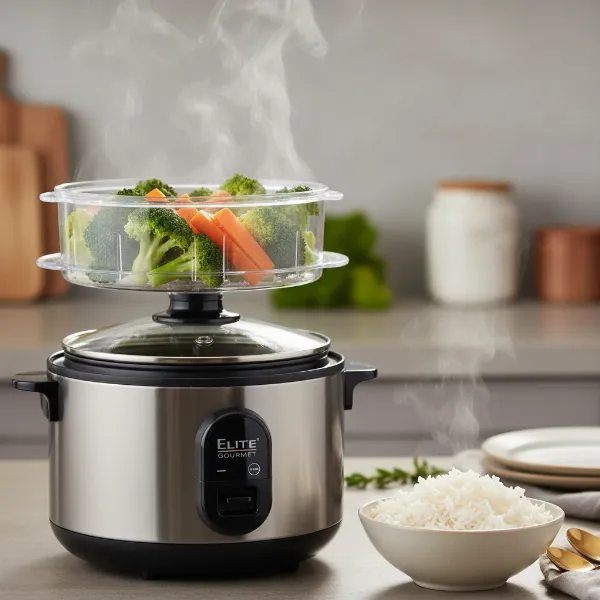
Transforming your trusty rice cooker into an egg-making marvel is simpler than you might imagine. Forget the bubbling pots on the stovetop; your rice cooker offers a hands-off, consistent method for crafting flawlessly cooked eggs, from soft and jammy to firm and fully set. This guide will walk you through everything you need to know to achieve perfect hard-boiled eggs with minimal effort, utilizing a kitchen appliance you already own.
Why Use a Rice Cooker for Hard-Boiled Eggs?
Many home cooks are surprised by the versatility of their rice cooker beyond its primary function. Using it to prepare hard-boiled eggs offers several distinct advantages. It’s a set-it-and-forget-it method, freeing up stovetop space and eliminating the need for constant monitoring. The consistent heat and steam within the rice cooker create an ideal environment for even cooking, often resulting in eggs that are easier to peel. This makes it an excellent choice for meal prep, busy mornings, or when you simply want to streamline your cooking process.
Essential Gear for Rice Cooker Eggs
Before you begin, gather these simple items:
- Your Rice Cooker: Any standard electric rice cooker will work, whether it has a dedicated steam function or just a basic “cook” switch.
- Eggs: Fresh eggs work well, but slightly older eggs (a few days to a week old) are often easier to peel.
- Water: Tap water is perfectly fine.
- Ice and a Bowl: Crucial for the immediate ice bath after cooking.
Step-by-Step Guide: Hard-Boiling Eggs in a Rice Cooker
There are two primary methods for cooking eggs in a rice cooker, depending on whether your model includes a steamer basket.
Method 1: Using the Steamer Basket
This is often the preferred method for its simplicity and the gentle steam cooking it provides.
- Add Water to the Inner Pot: Pour 1 to 1.5 cups of water into the main inner pot of your rice cooker. The exact amount can vary slightly, but ensure there’s enough to generate steam throughout the cooking cycle without drying out.
- Arrange Eggs in the Steamer Basket: Carefully place your desired number of eggs in the steamer basket. Avoid overcrowding; ensure there’s enough space for steam to circulate around each egg.
- Place Basket and Close Lid: Lower the steamer basket into the inner pot, ensuring it sits securely above the water. Close the rice cooker lid firmly.
- Start Cooking:
- For Digital Rice Cookers with a Steam Function: Select the “Steam” function and set the timer. For hard-boiled eggs, a common range is 13 to 20 minutes.
- For Classic/Basic Rice Cookers: Press the “Cook” switch down. The cooker will automatically switch to “Warm” when the water has evaporated or the cycle is complete, but you will need to manually time the process from when steam starts to appear or the cook cycle begins.
Our Picks for the Best Rice cooker in 2026As an Amazon Associate I earn from qualifying purchases.Num Product Action 1 GreenLife Rice Cooker with Removable PFAS-Free Ceramic Nonstick Pot, 3-Cups Uncooked/6-Cups Cooked, Grains & Oatmeal Multicooker, Compact One-Switch Design, Auto Keep Warm, Easy Clean, Cream 
2 Elite Gourmet Electric Rice Cooker with Steam Tray and Non-Stick Inner Pot Makes Soups, Stews, Grains, Cereals, Keep Warm Feature, 6 Cups Cooked (3 Cups Uncooked), Black
3 Elite Gourmet ERC006SS 6-Cup Electric Rice Cooker with Stainless Steel Inner Pot, Makes Soups, Stews, Porridges, Grains and Cereals, 6 cup (3 cups uncooked), Black
4 COSORI Rice Cooker 10 Cup, 24h Keep Warm, Non-stick Ceramic Inner Pot, 18 Functions Fuzzy Logic Rice Maker with Stainless Steel Steamer Basket, Sauté, Slow Cooker, Black
5 BLACK+DECKER 16-Cup Rice Cooker, RC516, 8-Cup Uncooked Rice, Steaming Basket, Removable Non-Stick Bowl, One Touch
6 Zojirushi NS-TSC10 5-1/2-Cup (Uncooked) Micom Rice Cooker and Warmer, 1.0-Liter
7 AROMA® Rice Cooker, 3-Cup (Uncooked) / 6-Cup (Cooked), Small Rice Cooker, Oatmeal Cooker, Soup Maker, Auto Keep Warm, 1.5 Qt, White, ARC-363NG
8 Dash Mini Ceramic Rice Cooker - Designed for Single-Serve Cooking - Compact Rice Cooker with Nonstick Removable Pot, Keep Warm Function & Easy-to-Clean Sleek Design - Black Ceramic
9 Aroma Housewares ARC-994SB Rice & Grain Cooker Slow Cook, Steam, Oatmeal, Risotto, 8-cup cooked/4-cup uncooked/2Qt, Stainless Steel
10 Aroma Housewares Professional Plus ARC-5000SB 20 Cup (Cooked) Digital Rice Cooker, Food Steamer, Slow Cooker, Stainless Exterior/Nonstick Pot, Silver, Black, 10-cup uncooked/20-cup cooked/4QT
- The Ice Bath: Once the cooking time is complete, immediately and carefully transfer the hot eggs into a bowl filled with ice water. Let them sit for at least 5 minutes. This stops the cooking process and helps the shells separate cleanly.
Method 2: Directly in the Inner Pot (No Steamer Basket)
If your rice cooker doesn’t have a steamer basket, you can still achieve excellent results by placing the eggs directly into the inner pot.
- Add Water to the Inner Pot: Place the eggs gently into the bottom of the inner pot. Add just enough water to barely cover the eggs – typically about 1/2 to 1 inch above the eggs. Some methods suggest only a few tablespoons (e.g., 6 tablespoons for hard-boiled), relying more on steam than submersion. Experiment to find what works best for your cooker.
- Close Lid and Start Cooking: Close the rice cooker lid firmly. Press the “Cook” switch. Again, you’ll need to manually time the process.
- Monitor and Time: For hard-boiled eggs, a cooking time of 13 to 20 minutes once the cooker heats up is a good starting point. Some mini rice cookers might require up to 30 minutes due to slower heating.
- The Ice Bath: As with the steaming method, transfer the eggs immediately to an ice bath for 5 minutes or more to stop cooking and aid in peeling.
Achieving Your Desired Doneness: Timing Chart
Rice cookers can vary in their heating elements and steaming efficiency. The following times are general guidelines for large eggs; you may need to adjust them slightly based on your specific model and preferred doneness. Timings typically begin once the cooker reaches full steam or the cook cycle starts.
| Doneness | Approximate Cooking Time (Steam) | Appearance |
|---|---|---|
| Soft-Boiled | 8 – 11 minutes | Runny yolk, firm white |
| Medium-Boiled | 11 – 13 minutes | Jammy, creamy yolk, firm white |
| Hard-Boiled | 13 – 20 minutes | Fully set, firm, pale yellow yolk, firm white |
Note: For direct-in-pot methods, especially with less water, these times may be slightly longer, or you might rely on the rice cooker’s full cycle if it’s brief.
Tips for Perfectly Peelable Eggs
The bane of many egg-lovers is a stubborn shell. Here are some tricks to ensure your rice cooker eggs peel smoothly:
- The Ice Bath is Non-Negotiable: This is the most critical step. Rapid cooling causes the egg whites to contract, creating a tiny gap between the egg and the shell membrane, making peeling much easier.
- Add Baking Soda (Optional): Some cooks swear by adding about 1/2 teaspoon of baking soda to the cooking water. It’s believed to increase the alkalinity of the water, which can help separate the membrane from the egg white.
- Peel Under Cold Water: Once the eggs have thoroughly cooled in the ice bath, gently tap and roll them on a hard surface to crack the shell all over. Peel them under a slow stream of cold water; the water helps to rinse away small shell fragments and lubricate the peeling process.
- Store Properly: Hard-boiled eggs, whether peeled or unpeeled, should be stored in the refrigerator and consumed within one week.
“The secret to an easily peelable hard-boiled egg isn’t just in the cooking, but crucially in the immediate and thorough cooling with an ice bath. This rapid temperature change is your best friend against stubborn shells.”
Troubleshooting Common Issues
Even with a rice cooker, you might encounter a few hurdles.
- Eggs Cracking During Cooking: This can happen if the eggs are too cold when they go into the cooker. Allow them to come closer to room temperature for 15-30 minutes before cooking. Also, don’t overcrowd the pot or basket.
- Difficulty Peeling: Revisit the ice bath technique. Ensure eggs are cooled completely. Older eggs tend to peel better than very fresh ones.
- Under/Overcooked Eggs: Adjust your cooking time in 1-2 minute increments until you find the sweet spot for your specific rice cooker and desired doneness. Keep notes!
Beyond Hard-Boiled: Other Egg Recipes in Your Rice Cooker
The versatility of your rice cooker extends to other egg preparations too:
- Soft-Boiled Eggs: Just adjust the cooking time as per the chart above. Perfect for ramen or toast.
- Poached Eggs: Use a small, heat-safe ramekin or bowl, crack an egg into it, add a tablespoon of water, and steam until set to your liking.
- Steamed Custards or Egg Bites: Mix beaten eggs with milk or cream and other ingredients, pour into small ramekins, and steam until set.
Conclusion
Mastering hard-boiled eggs in your rice cooker is a simple yet rewarding skill that expands the utility of this common kitchen appliance. With its hands-off operation and consistent results, you can enjoy perfectly cooked eggs for salads, snacks, or meal prep without the fuss of traditional stovetop methods. Remember to experiment with cooking times to match your rice cooker’s performance and always use that crucial ice bath for easy peeling.
Why not try making a batch of hard-boiled eggs in your rice cooker this week? What will be your first creation using them?
Frequently Asked Questions
Can I hard boil eggs without a steamer basket in my rice cooker?
Yes, absolutely! You can place the eggs directly into the inner pot of your rice cooker. Just add enough water to barely cover the eggs, or about 1/2 to 1 inch above them, then proceed with cooking as usual.
How much water do I use for hard-boiled eggs in a rice cooker?
If using a steamer basket, generally 1 to 1.5 cups of water in the inner pot is sufficient. If cooking eggs directly in the inner pot without a basket, add just enough water to barely cover the eggs.
How long do hard-boiled eggs last after cooking?
Hard-boiled eggs, whether peeled or unpeeled, should be stored in an airtight container in the refrigerator and are best consumed within one week for optimal freshness and safety.
Why are my rice cooker hard-boiled eggs difficult to peel?
The most common reasons for hard-to-peel eggs are not cooling them rapidly enough in an ice bath immediately after cooking, or using very fresh eggs. Allowing eggs to cool completely and using slightly older eggs often helps with easier peeling.
Can I cook a large batch of eggs in my rice cooker at once?
Yes, you can cook multiple eggs at once, but avoid overcrowding the steamer basket or inner pot. Ensure there is enough space for steam to circulate evenly around each egg for consistent cooking. You may need to slightly increase cooking time for very large batches.