Imagine stepping into your kitchen, the aroma of perfectly cooked rice filling the air. This seemingly simple culinary feat often hinges on a crucial, yet often overlooked, component of your appliance: the inner lid. Far more than just a cover, the design of your rice cooker’s inner lid profoundly impacts everything from cooking consistency and food safety to ease of maintenance. The choice between a primarily “sealed” inner lid and one that is “detachable” can seem subtle, but it holds significant implications for your daily cooking experience and the longevity of your rice cooker.
Understanding Rice Cooker Lids: More Than Just a Cover
At its core, a rice cooker’s inner lid plays a vital role in creating the ideal environment for cooking rice. It forms a tight seal with the cooking pot, trapping steam and maintaining a consistent temperature and pressure. This controlled environment is essential for the even absorption of water by each grain, resulting in perfectly fluffy and uniformly cooked rice every time. Without an effective seal, steam can escape, leading to dry, unevenly cooked, or sticky rice. In advanced rice cookers, the inner lid design often incorporates sophisticated features to manage condensation and steam, contributing to superior texture and flavor.
The Case for Detachable Inner Lids
For many home cooks, the ability to easily remove components for cleaning is a non-negotiable feature. Detachable inner lids are designed with user convenience and hygiene in mind, offering a host of benefits that directly translate to better rice and a healthier kitchen.
Unrivaled Ease of Cleaning and Hygiene
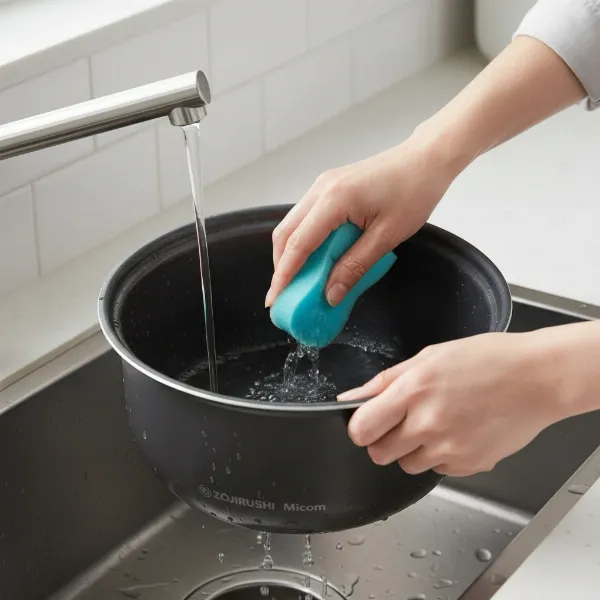
Table is empty.One of the most significant advantages of a detachable inner lid is the ease with which it can be thoroughly cleaned. After each cooking cycle, starch, steam, and condensation can accumulate on the inner surface of the lid. If not properly cleaned, this residue can harden, become discolored, and even harbor unpleasant odors or mold, potentially affecting the taste and safety of future batches of rice. A detachable lid allows you to simply unclip or twist it off, rinse it under running water, and wash it with soap, ensuring every nook and cranny is spotless. This level of thorough cleaning is difficult, if not impossible, with a fixed inner lid. Many users have shared experiences of being “horrified” by the buildup discovered after detaching their inner lids for the first time, underscoring the importance of this feature for maintaining cleanliness.
Maintaining Optimal Performance and Longevity
Regular and complete cleaning of the inner lid helps preserve the rice cooker’s overall performance. Starch buildup can clog steam vents and affect the efficiency of the sealing mechanism over time. By keeping these components clear and clean, a detachable lid ensures the cooker continues to function as intended, maintaining stable temperatures and controlled steam release. This proactive maintenance can extend the lifespan of your appliance by preventing wear and tear caused by residue accumulation and ensuring the integrity of vital sealing elements.
Enhanced Flavor and Food Safety
A clean inner lid is paramount for preparing consistently delicious and safe food. Lingering odors from previous meals or stale rice can be absorbed by new batches, negatively impacting the flavor of your freshly cooked grains. Furthermore, any microbial growth on an unclean lid poses a food safety risk. With a detachable inner lid, you eliminate these concerns, providing a pristine cooking environment that lets the natural flavor of your rice shine through.
Exploring Sealed (Non-Detachable) Inner Lids
While the term “sealed lid” typically refers to the cooking performance benefit, some older or very basic rice cooker models feature inner lids that are not designed to be easily removed from the main lid assembly. These are often integrated directly into a hinged top cover.
The Convenience Factor and Design Simplicity
In their simplest form, non-detachable inner lids can offer a certain level of straightforwardness, as there are fewer parts to handle or potentially misplace. For those who prioritize minimal components and a simple design, this might initially seem appealing. Some very basic models with glass, entirely removable outer lids might also fall into a category where the “inner lid” concept is less pronounced, functioning more like a standard pot cover.
Potential Challenges: Cleaning and Accumulation
However, the primary drawback of a truly non-detachable inner lid lies in the significant challenges it presents for thorough cleaning. Areas where steam and starch collect can be difficult to reach, leading to persistent residue buildup. Over time, this can result in:
- Lingering Odors: Stale smells can permeate subsequent batches of rice.
- Hygiene Concerns: The inability to properly clean can create breeding grounds for bacteria and mold.
- Compromised Performance: Blocked steam vents or a degraded seal due to buildup can lead to inconsistent cooking results, such as unevenly cooked or dried-out rice.
- Reduced Lifespan: The accumulation of residue can prematurely wear down the lid’s materials and mechanisms.
The Hybrid Approach: Sealed Lids with Detachable Inner Components
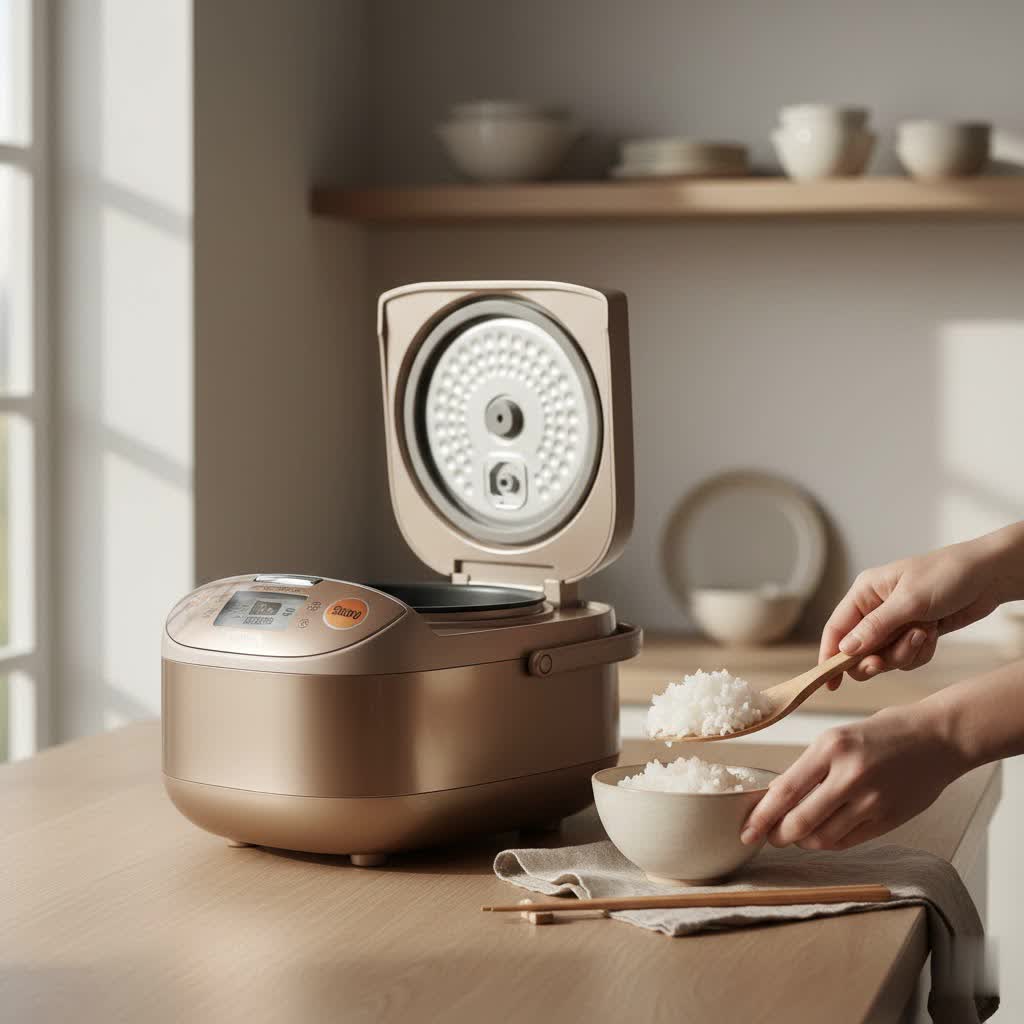
Most modern, high-quality rice cookers, particularly those utilizing advanced technologies like Micom (fuzzy logic) or Induction Heating (IH), offer the best of both worlds. These appliances typically feature a tightly sealed, often hinged, outer lid that provides superior temperature and steam control for optimal cooking performance. Crucially, within this sealed outer lid, there is a detachable inner panel or plate that can be easily removed for comprehensive cleaning.
This hybrid design ensures that users benefit from:
- Superior cooking performance: The integrated sealing mechanisms ensure consistent heat and steam retention.
- Effortless hygiene: The detachable inner component allows for thorough washing, preventing buildup and odors.
This combination has become the standard for premium rice cookers, offering both the culinary excellence of a well-sealed cooking chamber and the practical convenience of easy maintenance.
Making Your Choice: Key Factors to Consider
When deciding on a rice cooker, understanding the inner lid design is just as important as evaluating capacity or cooking functions. Consider these factors:
- Cooking Frequency: If you cook rice daily, a detachable inner lid is almost essential for maintaining hygiene and performance with minimal effort.
- Maintenance Habits: If you are meticulous about cleaning after every use, a detachable lid simplifies the process significantly.
- Budget and Rice Cooker Type: While very basic rice cookers might have less emphasis on detachable inner lids, most mid-range to high-end models now incorporate this feature due to its practical benefits. More advanced cookers often feature more complex, yet detachable, inner lid systems.
- Food Safety Priorities: For those who prioritize a consistently clean cooking environment and maximum food safety, a detachable inner lid offers peace of mind.
“The cleanliness of your rice cooker’s inner lid is directly linked to the quality and safety of your rice. A detachable lid isn’t just a convenience; it’s a hygiene imperative that ensures every meal is both delicious and safe.” – Chef Akira Tanaka, Culinary Institute Instructor
Conclusion
The distinction between sealed and detachable inner lids in rice cookers is more nuanced than it first appears. While a “sealed” design is crucial for optimal cooking performance, ensuring consistent temperature and steam control, the “detachable” aspect addresses the equally vital need for thorough hygiene and easy maintenance. Most modern, high-performance rice cookers expertly combine these features, offering a sealed, hinged outer lid with an easily removable inner panel for cleaning. Prioritizing a rice cooker with a detachable inner lid is a wise investment in both the quality of your meals and the longevity of your appliance. It ensures that every grain is cooked in a pristine environment, free from lingering odors and unhealthy residues. What’s your top priority when choosing a new rice cooker—unmatched cooking performance or effortless cleaning?
Frequently Asked Questions
How often should I clean my rice cooker’s detachable inner lid?
It is highly recommended to clean your rice cooker’s detachable inner lid after every use. This prevents the buildup of starch, condensation, and potential odors, ensuring optimal hygiene and consistent cooking performance for all future batches of rice.
Can a non-detachable inner lid affect the taste of my rice?
Yes, a non-detachable inner lid can affect the taste of your rice. If not thoroughly cleaned (which is challenging with fixed lids), accumulated starch and residue can harbor odors and even mold, which can transfer to and subtly alter the flavor of freshly cooked rice, giving it a stale or off-taste.
Are all modern rice cookers equipped with detachable inner lids?
While many modern, especially higher-end, rice cookers feature detachable inner lids for ease of cleaning and improved hygiene, it is not a universal feature. Basic or older models might still have fixed inner lids. Always check product specifications before purchasing.
What is the primary benefit of a sealed lid in a rice cooker?
The primary benefit of a sealed lid is to create a closed cooking environment that traps steam and maintains a consistent internal temperature. This control is crucial for even heat distribution and precise water absorption by the rice grains, leading to perfectly cooked, fluffy rice.
Does a detachable inner lid compromise the sealing ability of the rice cooker?
No, a well-designed detachable inner lid system in modern Rice Cookers does not compromise the sealing ability. These systems are engineered to provide a tight seal during cooking, while still allowing the inner component to be easily removed for cleaning without affecting the overall performance.