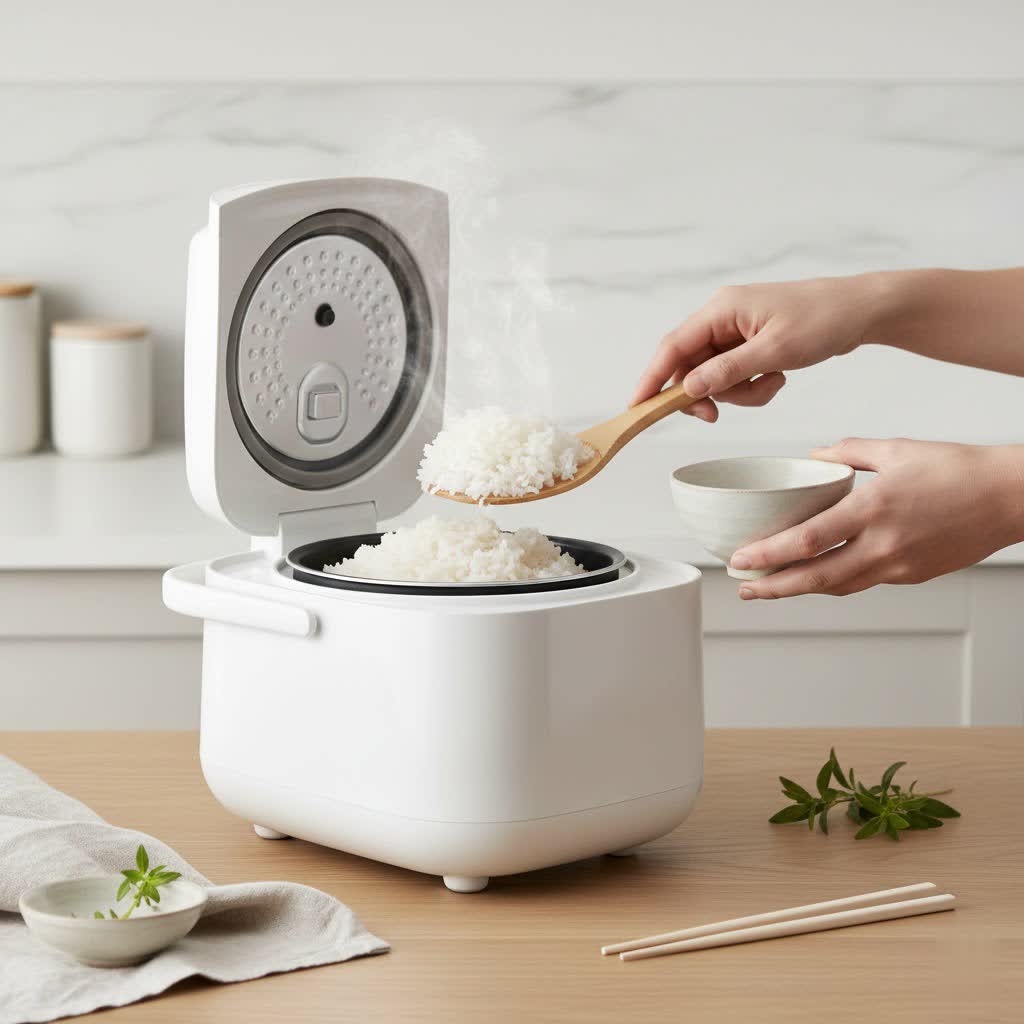
For billions worldwide, rice isn’t just a side dish; it’s the heart of every meal. The quest for perfectly cooked rice has elevated the humble rice cooker from a simple kitchen appliance to a sophisticated piece of culinary technology. Among the many brands, Japanese and Korean manufacturers stand out as pioneers, consistently innovating to deliver superior results. But what truly sets these two giants apart? Understanding the nuanced differences between Korean and Japanese rice cookers is essential for anyone looking to invest in a machine that aligns with their culinary preferences and lifestyle. This article will delve into their distinct approaches to technology, rice texture, user experience, and leading brands, helping you discover your ideal grain companion.
Understanding Rice Cooker Technology: The East Asian Edge
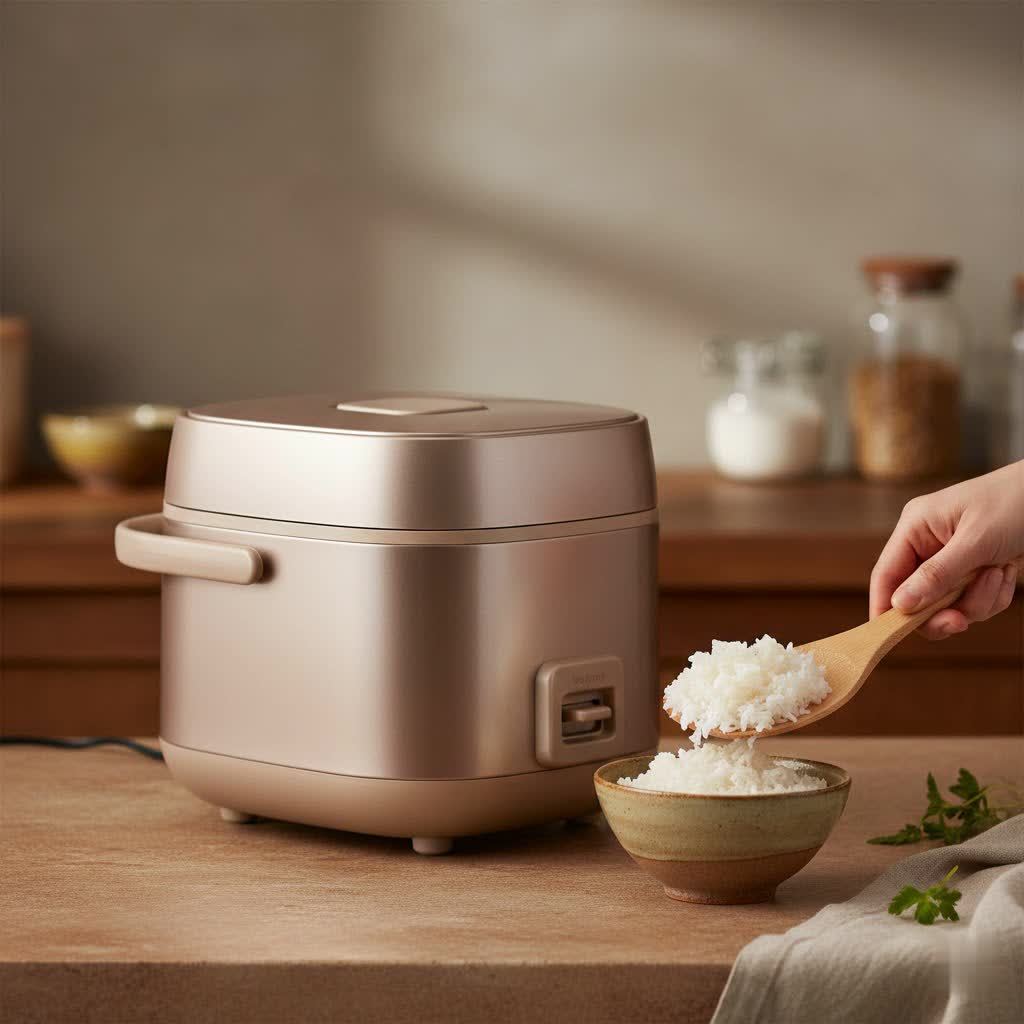
The journey of rice cookers from basic “cook-and-warm” models to advanced intelligent machines has been largely led by East Asian brands. At their core, modern rice cookers utilize precise heating methods and intelligent controls to transform raw grains into culinary perfection. The most common advanced technologies include Micom (micro-computerized) fuzzy logic and Induction Heating (IH). Micom models use sensors to adjust cooking time and temperature based on the type of rice and desired outcome, while IH systems heat the inner pot directly and evenly from all sides using electromagnetic fields, ensuring consistent cooking without hot spots. Pressure cooking, often integrated with IH, raises the boiling point of water, resulting in faster cooking and a deeper penetration of moisture into the rice grains. Both Japanese and Korean brands extensively employ these sophisticated technologies, albeit with different focuses and applications.
The Heart of the Matter: Rice Texture Preferences
Perhaps the most significant differentiator between Korean and Japanese rice cookers lies in their inherent philosophy towards rice texture, deeply rooted in their respective culinary traditions.
Japanese Cookers: Embracing Fluffy Perfection
Table is empty.Japanese rice cookers, championed by brands like Zojirushi and Tiger, are meticulously engineered to produce rice with a distinct soft, moist, and fluffy texture, where individual grains remain separate yet tender. This less sticky consistency is highly prized in Japanese cuisine, perfect for dishes like sushi, sashimi accompaniments, or bento boxes where the rice provides a delicate base without being overly cohesive. Japanese models often come with precise settings designed to achieve this specific texture across various types of short-grain japonica rice.
Korean Cookers: The Allure of Stickiness and Chew
Conversely, Korean rice cookers, with Cuckoo as a dominant force, typically aim for a stickier, chewier, and often more glutinous rice. This texture is ideal for Korean dining, where rice is commonly enjoyed alongside robust stews, soups, and a variety of banchan (side dishes), often scooped with a spoon or picked up in larger clumps with chopsticks. Korean models frequently leverage advanced pressure cooking to achieve this signature consistency, ensuring that the rice is thoroughly cooked with a satisfying chewiness. While some Cuckoo models offer adjustments for stickiness, users who prefer a less sticky rice might still find the output slightly too cohesive for their taste.
Technological Innovations: Japanese Precision vs. Korean Power
Both nations push the boundaries of rice cooker technology, yet their priorities can diverge, reflecting their distinct culinary goals.
Japanese Brands: Refined Precision and Durability
Japanese manufacturers like Zojirushi and Tiger are renowned for their meticulous engineering and commitment to durability. Tiger, for instance, often emphasizes products being “Made in Japan,” reflecting stringent quality control and a focus on precise temperature management and fuzzy logic algorithms that adapt to different rice types, ensuring consistent, high-quality results every time. Zojirushi also excels in delivering perfectly cooked, fluffy rice across various varieties through detailed settings and sophisticated Micom and IH technologies. Their focus is often on achieving the ideal, consistent texture without necessarily employing pressure cooking in all models.
Korean Brands: Advanced Pressure and Multifunctionality
Korean brands, particularly Cuckoo, have carved a niche with their innovative use of pressure cooking combined with IH technology. This combination allows for faster cooking times and the ability to handle a wider range of grains, including brown and GABA rice, more efficiently. Korean cookers frequently boast advanced features like “twin pressure,” offering users the flexibility to choose between high-pressure and non-pressure cooking modes, sometimes even allowing the lid to be opened during non-pressure cooking. Beyond rice, many Korean models often double as multi-cookers, capable of preparing stews, yogurts, and even baking cakes, showcasing a strong emphasis on versatility.
User Experience and Interface: Simplicity vs. Advanced Controls
The way you interact with your rice cooker can significantly impact your daily cooking routine. Here, Japanese and Korean designs offer contrasting philosophies.
Japanese Cookers: Intuitive Simplicity
Japanese rice cookers from brands like Tiger and Zojirushi typically feature simpler, more straightforward interfaces. Their menus are often designed for ease of use, with clear, concise buttons and displays that prioritize essential functions. This minimalist approach caters to users who prefer an uncomplicated cooking process and value reliability over an abundance of options, making them very user-friendly for those accustomed to traditional appliance interfaces.
Korean Cookers: Feature-Rich and Interactive
Korean rice cookers, especially Cuckoo models, are known for their advanced and often more complex interfaces. They frequently sport smart touch controls, vibrant LCD screens, and even voice navigation in multiple languages. These features offer extensive customization options, from adjusting keep-warm temperatures to selecting specific rice varieties and cooking methods. While the initial learning curve might be steeper, these sophisticated controls provide a highly interactive and versatile cooking experience, appealing to tech-savvy users or those who enjoy fine-tuning their rice preparation.
“The choice between a Japanese and Korean rice cooker often comes down to personal preference for rice texture and how much interactivity you desire from your appliance. Japanese models excel in refined simplicity for a consistently fluffy grain, while Korean models offer robust technology and advanced features for a stickier, more versatile output.” – Kai Chen, Culinary Appliance Specialist
Key Features Comparison: Beyond Basic Cooking
Both categories offer a robust set of functionalities, but their emphasis can differ.
Shared Advanced Features
- Keep Warm Function: Both Japanese and Korean high-end cookers excel at keeping rice warm and moist for extended periods without drying it out, a crucial feature for households that consume rice daily.
- Timer Functions: Delayed cooking timers are standard, allowing users to pre-set cooking cycles and wake up to or come home to freshly cooked rice.
- Multiple Rice Settings: Both offer dedicated settings for various rice types, including white, brown, mixed, and often GABA rice.
Distinct Feature Highlights
- Japanese Unique Points: Often include specialized settings for sushi rice, porridge, and quick-cook options optimized for their preferred texture. Their focus on precision often results in quieter operation.
- Korean Unique Points: Stronger emphasis on multi-cooker capabilities (stew, soup, yogurt, cake baking). Many also incorporate auto-cleaning functions for easier maintenance, a direct benefit of their pressure cooking technology.
Leading Brands: A Head-to-Head Overview
When comparing Korean and Japanese rice cookers, a few brands consistently emerge as industry leaders.
| Feature | Tiger (Japanese) | Zojirushi (Japanese) | Cuckoo (Korean) |
|---|---|---|---|
| Origin | Japan | Japan (some models), Thailand, China | Korea |
| History | Est. 1923 | Est. 1918 | Est. 1978 |
| Key Technologies | Base heat, Pressure, IH | Base heat, IH | Base heat, Pressure, IH, Twin Pressure |
| Interface | Easy, straightforward | Easy, detailed settings | Medium to Complex, Voice, Smart Touch, LCD |
| Rice Texture | Firm, well-formed, fluffy | Soft, moist, fluffy, less sticky | Sticky, chewy, ideal for Korean-style rice |
| Durability | High (often “Made in Japan”) | High | High, robust construction |
| Price Range | Medium | High | Medium to High |
| Unique Aspect | Quality control, ceramic inner pots | Precision, detailed cooking flows | Advanced pressure, multi-functionality, voice |
Tiger: Known for its enduring quality and reliability, Tiger rice cookers are celebrated for their durability and ability to produce firm, well-formed rice grains. Many models boast advanced ceramic coatings in their inner pots, further enhancing heat distribution and non-stick properties.
Zojirushi: A highly esteemed brand in the international market, Zojirushi is synonymous with exceptional rice cooking. Their models consistently deliver perfectly soft, moist, and fluffy rice across various types, thanks to their detailed settings and advanced IH and Micom technologies. While often at a higher price point, their performance justifies the investment.
Cuckoo: As the leading Korean brand, Cuckoo is lauded for its innovation, particularly in pressure cooking technology. Their rice cookers are praised for producing characteristically sticky and chewy Korean-style rice, alongside a suite of smart features like voice guidance and multi-cooking programs that make them incredibly versatile kitchen companions.
Inner Pot Design and Materials: Impact on Cooking
The inner pot is where the magic happens, and both Japanese and Korean manufacturers invest heavily in its design and materials. High-quality inner pots are typically thick, multi-layered, and designed to distribute heat evenly, preventing burnt bottoms and ensuring consistent cooking from top to bottom.
- Japanese Brands: Zojirushi often uses high-quality non-stick inner pots, while Tiger is known for multi-layered ceramic coatings (up to 8 layers) that are durable and enhance heat retention. These materials are chosen for their ability to maintain precise temperatures and contribute to the desired fluffy rice texture.
- Korean Brands: Cuckoo also utilizes robust non-stick materials, often designed to withstand the higher pressures involved in their cooking processes. The goal is even heat distribution under pressure, contributing to the distinct sticky texture.
Maintenance Considerations: What to Expect
Maintaining your rice cooker ensures its longevity and consistent performance. While general cleaning is similar for both, a key difference emerges with pressure cooking models.
- Pressure Cookers: Many Korean rice cookers feature pressure cooking, which requires periodic replacement of gaskets and seals to maintain optimal pressure and safety. This is a maintenance step that owners of non-pressure models (more common in some Japanese cookers) do not need to worry about.
- General Cleaning: Both types benefit from regular cleaning of the inner pot, lid, and steam vent to prevent residue buildup and ensure hygiene. High-quality non-stick surfaces on inner pots make cleaning relatively straightforward.
Choosing Your Ideal Rice Cooker: A Practical Guide
Selecting between a Japanese and Korean rice cooker ultimately boils down to your personal preferences and cooking habits.
- Rice Texture Preference: If you prefer fluffy, separate grains ideal for sushi or general consumption, a Japanese cooker from Zojirushi or Tiger might be your best bet. If a stickier, chewier texture for stews and robust meals is your priority, a Korean Cuckoo model will likely deliver.
- Technological Engagement: Do you prefer a simple, intuitive interface, or are you excited by advanced touchscreens, voice guidance, and extensive customization? Japanese brands often cater to the former, while Korean brands appeal to the latter.
- Versatility Needs: Consider if you need a dedicated rice cooker or a multi-functional appliance. Korean pressure rice cookers often offer diverse cooking programs beyond just rice.
- Budget: Advanced features and superior build quality usually come with a higher price tag. Korean and Japanese high-end models can be significant investments, though mid-range options provide excellent value.
- Durability: Both categories are generally known for their robust construction and long lifespan, especially the leading brands.
Ultimately, the “best” rice cooker is one that seamlessly integrates into your kitchen, consistently delivers rice to your liking, and meets your functional needs without unnecessary complexity.
Conclusion
The world of premium rice cookers is largely dominated by the innovative spirit of Japanese and Korean manufacturers, each bringing distinct philosophies to the art of cooking rice. Japanese cookers, epitomized by Zojirushi and Tiger, excel in crafting perfectly fluffy, separated grains through precise heating and intelligent controls, catering to a palate that appreciates subtlety and refinement. Korean cookers, led by Cuckoo, leverage advanced pressure technology and interactive interfaces to produce stickier, chewier rice, often with multi-functional capabilities that extend their utility beyond just grains.
Choosing between these two esteemed categories means weighing your preferred rice texture, desired level of technological interaction, and the overall versatility you seek from a kitchen appliance. Both offer unparalleled quality and durability, ensuring that whichever you choose, you’ll be investing in years of perfectly cooked rice. What kind of perfect rice will you be enjoying in your next meal?
Frequently Asked Questions
Are Korean rice cookers generally more expensive than Japanese ones?
While both high-end Japanese and Korean rice cookers can be significant investments, Korean models, particularly those featuring advanced twin pressure and multi-cooking functions, often fall into a similar premium price range as top-tier Japanese IH models. The cost primarily reflects the technology and features included, rather than the country of origin itself.
Which brand is more durable, Japanese or Korean rice cookers?
Both leading Japanese brands like Tiger and Zojirushi and Korean brands like Cuckoo are renowned for their durability and robust construction. Many users report that these appliances last for many years, often a decade or more, demonstrating excellent long-term reliability.
Can I make sushi rice in a Korean pressure rice cooker?
While Korean rice cookers can cook short-grain japonica rice, which is used for sushi, their tendency to produce a stickier texture may not yield the ideal fluffiness and separation required for traditional sushi. Japanese rice cookers are generally preferred for sushi due to their precise settings for that specific texture.
Do Japanese rice cookers have pressure cooking functions?
Yes, some advanced Japanese Rice Cooker models, particularly newer ones, do incorporate Induction Heating (IH) with pressure cooking capabilities, offering similar benefits to Korean pressure cookers. However, it’s not as universally emphasized across all Japanese lines as it is with prominent Korean brands like Cuckoo.