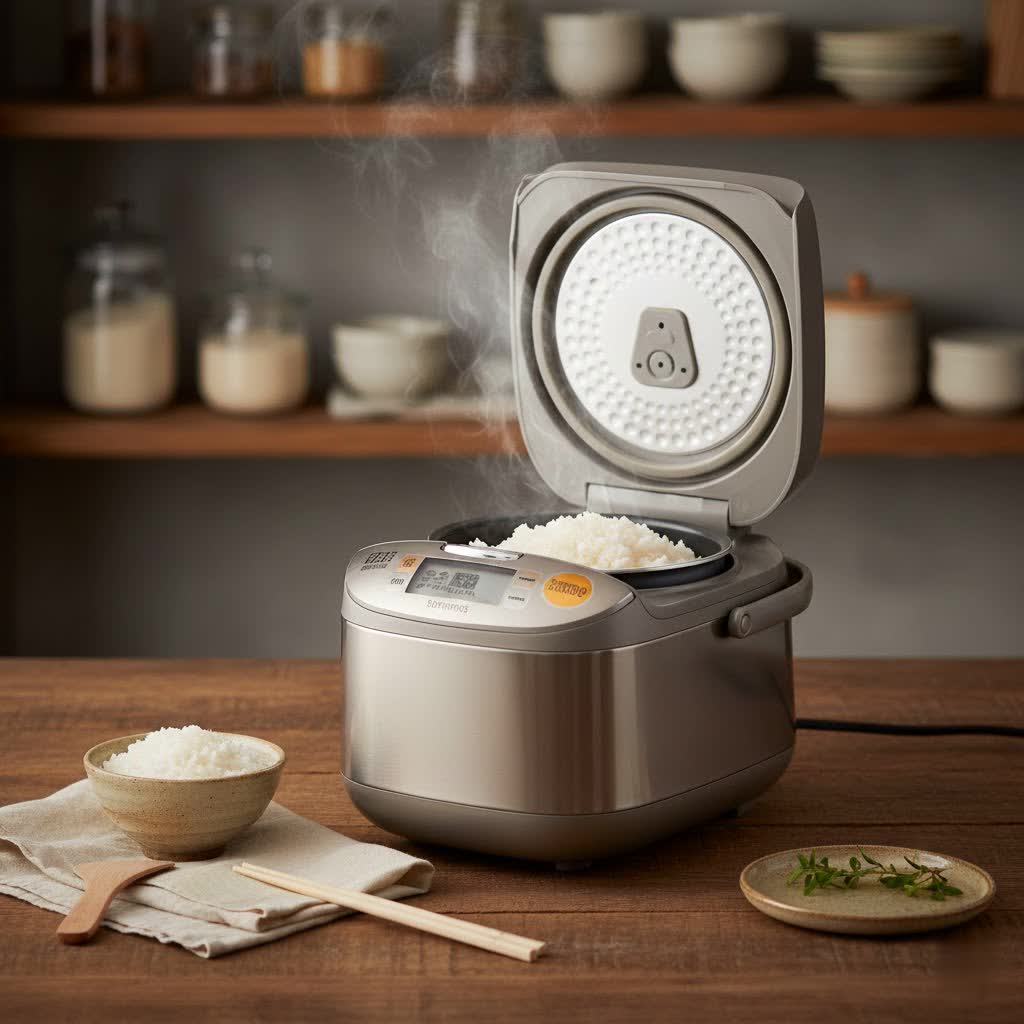
Brown rice, celebrated for its nutty flavor and health benefits, often gets a reputation for being tricky to cook. Many home cooks struggle with achieving that ideal fluffy, tender texture, often ending up with rice that’s either too hard or too mushy. However, with the right approach and the convenience of a rice cooker, consistently perfect brown rice is not only possible but incredibly easy. This guide will walk you through every step to transform your brown rice experience from hit-or-miss to perfectly cooked every time.
Why Brown Rice in a Rice Cooker is a Game-Changer
Brown rice stands out as a nutritional powerhouse. Unlike white rice, it retains its bran and germ layers, which are rich in fiber, vitamins, and minerals. This whole grain status contributes to better digestion, sustained energy levels, and can help prevent rapid blood sugar spikes. While traditionally cooked on a stovetop can be demanding, requiring constant monitoring, a rice cooker simplifies the entire process. It provides consistent heat and moisture, taking the guesswork out of cooking and freeing you up to focus on other aspects of your meal. No more worrying about boiling over or unevenly cooked grains; the rice cooker handles it all, delivering convenience and reliable results.
Essential Steps for Flawless Brown Rice
Mastering brown rice in a rice cooker involves a few key steps, each contributing to that desired fluffy texture.
1. Choosing Your Brown Rice and Measuring Accurately
Table is empty.The journey to perfect brown rice begins with the right ingredients and precise measurements. Brown rice comes in various forms, including long-grain, medium-grain, and short-grain. While this guide generally applies to all, long-grain brown rice is a popular choice for its distinct texture.
When measuring your rice and water, accuracy is paramount. Most rice cookers come with their own specialized measuring cup, which is often smaller than a standard U.S. cup (typically around 2/3 to 3/4 cup). It is highly recommended to use this provided cup for both rice and water to ensure the internal water level markings on your cooker’s pot are accurate. If you use a standard measuring cup, you might need to adjust the water level slightly.
2. The Golden Ratio: Water to Rice
The water-to-rice ratio is arguably the most critical factor for perfect brown rice. For most rice cookers and types of brown rice, the golden rule is one cup of uncooked brown rice to two cups of water. This 1:2 ratio provides sufficient liquid for the rice to absorb fully, yielding tender yet distinct grains.
However, depending on your preferred texture, you can make slight adjustments. For a firmer, chewier rice, you might try a ratio closer to 1:1.75. If you prefer your brown rice softer, a touch more water, around 1:2.25, could be beneficial. Remember that this ratio might vary slightly with different rice cooker models, so consulting your appliance’s manual is always a good idea.
Beyond plain water, consider enhancing the flavor. Adding a pinch of salt—about 1/4 teaspoon per cup of rice—can significantly elevate the taste. For an even more flavorful result, substitute water with vegetable or chicken broth. Some experienced cooks also swear by adding a teaspoon of white or apple cider vinegar per cup of rice; this addition is said to help break down the outer bran layer, promoting fluffiness without imparting a noticeable vinegar taste.
3. Rinsing and Soaking: To Do or Not To Do?
While often debated, both rinsing and soaking brown rice offer distinct advantages.
Rinsing: It is highly recommended to rinse your brown rice under cool running water until the water runs clear. This process washes away excess starch, which can otherwise lead to sticky or gummy rice. You can use a fine-mesh colander or simply rinse the rice in the inner pot of your rice cooker, swirling it with your hand and carefully draining the cloudy water a few times.
Soaking: Soaking brown rice before cooking, typically for 10-30 minutes, can significantly improve its texture and reduce cooking time. Brown rice has a tough outer bran layer that requires more time and moisture to soften. Soaking allows the grains to absorb water evenly, leading to a more uniform cook and preventing some grains from being undercooked while others are overly soft. While some modern rice cookers have a built-in “soak” feature within their brown rice cycle, if yours doesn’t, a simple pre-soak can make a noticeable difference.
4. Setting Your Rice Cooker for Success
Once your rice is rinsed (and optionally soaked), combine it with the measured water (and any chosen seasonings) in the rice cooker’s inner pot.
If your rice cooker has a dedicated “brown rice” setting, use it. This setting is specifically engineered to account for brown rice’s longer cooking time and higher water absorption, often including a pre-soak phase and a longer cooking cycle at a lower temperature to ensure thorough cooking.
If your rice cooker does not have a “brown rice” setting, don’t worry. The regular cooking cycle will still work. Simply press “start” or “on/off” to begin the cooking process. The cooking time for brown rice typically ranges from 30 to 50 minutes, depending on the rice cooker model and the amount of rice.
A golden rule during cooking: Do not lift the lid. The rice cooker relies on a consistent internal temperature and steam pressure to cook the rice evenly. Opening the lid releases steam, lowers the temperature, and can disrupt the cooking process, potentially leading to unevenly cooked or crunchy rice. Trust your appliance to do its job.
5. The Crucial Resting Phase
Once your rice cooker signals that the cooking cycle is complete (usually by beeping or switching to a “keep warm” setting), resist the urge to open the lid immediately. This is where the resting phase comes in, a critical step often overlooked but vital for perfect texture.
Allow the brown rice to rest, undisturbed with the lid still on, for an additional 5 to 10 minutes. During this time, the rice continues to steam, absorbing any remaining moisture in the pot. This final absorption ensures the grains are fully hydrated, resulting in a fluffier texture and preventing the rice from becoming dry or crunchy. Skipping this step often leads to rice that feels a bit too firm or unevenly cooked.
6. Fluffing for Perfection
After the resting period, it’s time to unveil your perfectly cooked brown rice. Carefully open the lid, being mindful of the steam.
Using a rice paddle or a fork, gently fluff the rice. Stir it from the edges of the pot inwards, breaking up any large clumps and separating the grains. This process also releases excess steam, making the rice even fluffier. Important: Avoid using metal utensils, as they can scratch the non-stick coating of your rice cooker’s inner pot, potentially damaging it for future use. Once fluffed, your tender, delicious brown rice is ready to serve!
Troubleshooting Common Brown Rice Issues
Even with the best intentions, you might encounter minor setbacks. Here’s how to address them:
- Mushy Rice: If your brown rice turns out too soft or mushy, it’s usually a sign of too much water or insufficient resting. Try reducing the water by a quarter cup next time or extend the resting time to allow for more steam absorption.
- Hard/Crunchy Rice: Conversely, hard or crunchy rice indicates not enough water, or that the lid was lifted during cooking. Ensure you’re using the correct water-to-rice ratio, never peek during cooking, and always allow the full resting period. Soaking the rice beforehand can also help ensure thorough cooking.
- Uneven Cooking: If some grains are cooked while others are firm, it might be due to inconsistent water distribution (ensure even rice layer), not rinsing/soaking, or opening the lid.
Storing and Reheating Leftover Brown Rice
Proper storage is key to enjoying your brown rice for days to come. After cooking, cool any leftover rice quickly by spreading it on a tray. Once cooled, transfer it to an airtight container. Cooked brown rice can be refrigerated for up to four days or frozen for up to six months.
To reheat, sprinkle a small amount of water (about a teaspoon per cup of rice) over the cold rice to reintroduce moisture. Reheat in the microwave in 30-second intervals, stirring occasionally, until heated through. Alternatively, you can reheat it on the stovetop over medium heat, stirring gently to prevent sticking.
Expert Tips for the Ultimate Brown Rice
- Add Healthy Fats: Stir in a tablespoon of olive oil or butter with your water before cooking. This can add richness and help separate the grains.
- Experiment with Flavored Liquids: Beyond broth, consider experimenting with coconut milk (for an exotic touch) or even a light herbal tea for subtle aroma.
- Don’t Overcrowd: While rice cookers vary in capacity, avoid filling the pot beyond its recommended maximum. Overcrowding can lead to uneven cooking and boiling over.
- Cleanliness: Regularly clean your rice cooker, especially the lid and inner pot, to ensure optimal performance and hygiene.
Conclusion
Cooking perfectly fluffy brown rice in a rice cooker is a simple culinary skill that brings immense satisfaction and nutritional benefits to your kitchen. By understanding the importance of accurate measurements, the correct water-to-rice ratio, and crucial steps like rinsing, specialized settings, and the essential resting period, you can consistently achieve rice that is tender, chewy, and full of flavor. Embrace the convenience and reliability of your rice cooker, and say goodbye to unevenly cooked grains. With these tips, you’re now equipped to enjoy delicious, healthy brown rice with ease, transforming everyday meals into a nourishing delight.
What’s your favorite way to enjoy perfectly cooked brown rice?
Frequently Asked Questions
How much water for 1 cup of brown rice in a rice cooker?
For 1 cup of brown rice, the standard ratio in a rice cooker is 2 cups of water. This 1:2 ratio helps ensure the rice absorbs enough moisture to become tender and fluffy. Always use the rice cooker’s provided measuring cup for best accuracy.
Do you rinse brown rice before cooking in a rice cooker?
Yes, it is highly recommended to rinse brown rice before cooking. Rinsing removes excess surface starch, which prevents the grains from becoming sticky or gummy and contributes to a lighter, fluffier texture. Rinse until the water runs clear.
How long does brown rice take in a rice cooker?
Brown rice typically takes longer to cook than white rice. In a rice cooker, the cooking time for brown rice generally ranges from 30 to 50 minutes, depending on the model of your rice cooker and the amount of rice being prepared.
Can I cook brown rice without a “brown rice” setting?
Absolutely. If your Rice Cooker doesn’t have a specific “brown rice” setting, you can still cook it successfully using the regular cooking cycle. Ensure you use the correct water-to-rice ratio and allow for the crucial resting period after cooking for best results.
Why is my brown rice crunchy/mushy?
Crunchy brown rice often results from insufficient water or opening the lid during cooking, which releases steam. Mushy rice, conversely, is usually caused by too much water or not allowing the rice to rest adequately after the cooking cycle finishes. Adjust your water ratio and strictly adhere to the resting time.