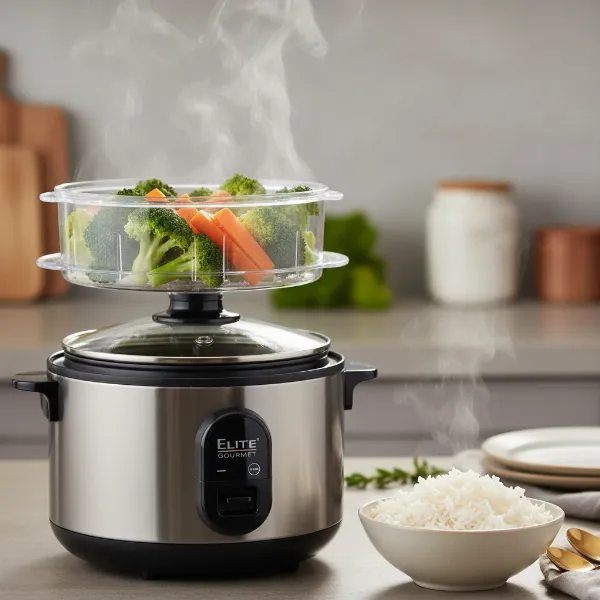
Imagine a world where perfectly cooked, fluffy grains are a daily reality, achieved with minimal effort and maximum consistency. For many, a rice cooker sits primarily as a single-purpose appliance, dedicated solely to its namesake. However, this versatile kitchen tool is a hidden gem for effortlessly preparing a variety of wholesome grains, transforming your meal prep and everyday cooking. From the protein-packed goodness of quinoa to the chewy texture of farro, your rice cooker can handle it all, delivering consistently excellent results every time.
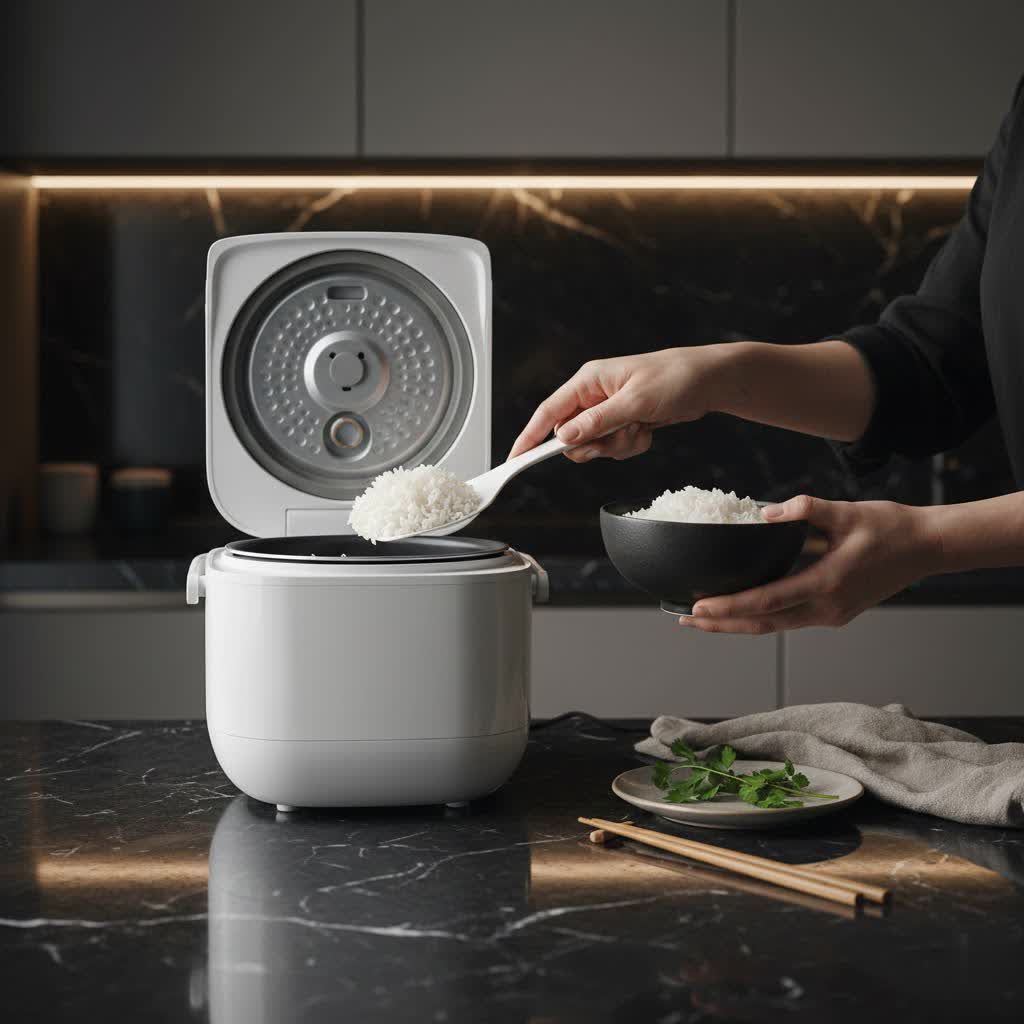
Why Your Rice Cooker is a Game-Changer for Grains
The allure of a rice cooker extends far beyond simple white rice. Its automated temperature control and precise cooking cycles make it an ideal environment for a range of grains, eliminating the guesswork and constant monitoring required by stovetop methods. For busy home cooks, this means more hands-off time and a reduced risk of scorched or undercooked results. The consistent heat distribution ensures even cooking, yielding grains that are perfectly tender, never mushy, and ready to elevate any dish.
Essential Preparations for Flawless Grains
Before diving into specific grain instructions, a few universal steps can significantly enhance your cooking success and the quality of your finished grains.
The Importance of Rinsing
Table is empty.Most grains, especially quinoa, benefit immensely from a thorough rinse under cold running water. This crucial step removes dust, debris, and, in the case of quinoa, the natural bitter outer coating called saponin. Use a fine-mesh strainer for rinsing to prevent tiny grains from escaping down the drain. Continue rinsing until the water runs clear.
Preventing Sticking
To ensure easy cleanup and prevent grains from clinging to the bottom of the cooker, a light greasing of the inner pot is often recommended. A teaspoon of olive oil, coconut oil, or butter, spread evenly around the bottom and sides, creates a non-stick barrier. This is particularly helpful for starchy grains or when using certain rice cooker models.
How to Cook Quinoa in a Rice Cooker
Quinoa, a versatile superfood, cooks beautifully in a rice cooker, becoming fluffy and perfectly separated.
The Perfect Quinoa to Liquid Ratio
For ideal quinoa, a ratio of 1 cup uncooked quinoa to 1 ¾ cups liquid is widely recommended. This slightly lower liquid amount compared to some stovetop methods helps prevent mushiness and promotes distinct, tender grains. You can use plain water for a neutral base or vegetable or chicken broth for added depth of flavor.
Step-by-Step Quinoa Perfection
- Rinse Thoroughly: Place 1 cup of quinoa in a fine-mesh strainer and rinse under cold running water for at least 1-2 minutes until the water runs clear. This step is non-negotiable for removing bitterness.
- Grease the Pot: Lightly grease the bottom and sides of your rice cooker insert with about 1 teaspoon of oil (e.g., olive oil).
- Combine Ingredients: Transfer the rinsed quinoa to the greased rice cooker pot. Add 1 ¾ cups of water or broth and ½ teaspoon of kosher salt. Stir gently to combine.
- Select Setting and Cook: Close the lid and select the “White Rice” setting on your rice cooker. If your model doesn’t have specific grain settings, simply press “Cook.” The cooker will automatically switch to “Keep Warm” once done.
- Steam and Fluff: Once the cooking cycle is complete, let the quinoa steam in the rice cooker for an additional 5-10 minutes with the lid closed. This allows any remaining moisture to absorb fully. Then, open the lid and fluff the quinoa gently with a fork before serving.
- Yield: One cup of uncooked quinoa typically yields about three cups of perfectly cooked, fluffy quinoa.
> “Using a rice cooker for quinoa is a game-changer for consistency. It takes the guesswork out of stovetop cooking, ensuring a light and fluffy texture every time.” – Chef Maria Sanchez, Culinary Instructor
Mastering Farro in Your Rice Cooker
Farro, an ancient grain with a delightful nutty flavor and chewy texture, is another excellent candidate for rice cooker preparation. Always opt for pearled or semi-pearled farro, as whole farro requires significantly longer cooking times and often pre-soaking that might not be suitable for all rice cooker models.
The Ideal Farro to Liquid Ratio
For pearled or semi-pearled farro, a ratio of 1 cup uncooked farro to 3 cups liquid is generally effective for achieving a tender, yet still pleasantly chewy, grain.
Cooking Farro, Step-by-Step
- Rinse Grains: Rinse 1 cup of pearled or semi-pearled farro under cold water using a fine-mesh strainer to remove any dust or impurities.
- Grease the Pot: Add 1 teaspoon of olive oil to the rice cooker insert and spread it around to prevent sticking.
- Add Ingredients: Place the rinsed farro, 3 cups of water or vegetable/chicken broth, and a pinch of salt into the rice cooker. Stir.
- Choose Setting and Cook: Close the lid. For farro, the “Brown Rice” or “Multigrain” setting is usually best, as it accommodates the longer cooking time and firmer texture of whole grains. If your cooker lacks these specific options, use the general “Cook” setting.
- Cook Time: Farro typically takes around 35-45 minutes to cook completely in a rice cooker. The machine will signal when it’s done.
- Rest and Fluff: After the cycle finishes, let the farro rest for 5-10 minutes with the lid on. This allows the grain to absorb any residual moisture. Then, fluff with a fork. For best texture, consider letting it cool slightly after fluffing to allow excess steam to escape, preventing mushiness.
Cooking Other Grains: General Tips and Ratios
While quinoa and farro are popular choices, many other grains can be prepared in a rice cooker with minor adjustments. The key is to understand their typical liquid-to-grain ratios and cooking times, then adapt them to your appliance’s settings.
Bulgur Wheat
Bulgur, often found in salads like tabbouleh, is a quick-cooking grain. For a rice cooker, a ratio of 1 cup bulgur to 1 ½ cups liquid (water or broth) is a good starting point. Use the “White Rice” setting, and it should cook relatively quickly, often within 15-20 minutes. As with other grains, a rinse before cooking is beneficial.
General Guidelines for Experimenting with Grains
- Consult Packaging: Always start by checking the package instructions for your specific grain. These will provide the most accurate liquid-to-grain ratio and stovetop cooking times, which you can then adapt for your rice cooker.
- Rinsing is Key: Most grains will benefit from a rinse.
- Ratio Adaptation: If package instructions are for stovetop, consider starting with a ratio similar to brown rice (e.g., 1:2.5 or 1:3 for firmer grains) or white rice (1:1.75 to 1:2 for softer grains) and adjust based on your desired texture.
- Settings: Use the “White Rice” setting for finer, faster-cooking grains (like quinoa, bulgur) and the “Brown Rice” or “Multigrain” setting for heartier, longer-cooking grains (like farro, brown rice, steel-cut oats if your cooker has the power).
- Check and Adjust: After the cooking cycle, always check for doneness. If grains are too firm, add a small amount of extra hot liquid (1/4 cup at a time) and run a short “cook” cycle again, or simply let it sit on “Keep Warm” for longer to absorb.
- Fluff and Rest: A few minutes of resting time after cooking, followed by a gentle fluff with a fork, is crucial for achieving the best texture.
Troubleshooting Common Grain-Cooking Issues
Even with the convenience of a rice cooker, you might encounter a few hiccups.
- Mushy Grains: This usually indicates too much liquid or insufficient resting time. Reduce the liquid slightly next time (e.g., from 1:2 to 1:1.75 for quinoa) and always allow for the post-cook steaming period.
- Grains Sticking to the Bottom: Ensure you’re greasing the pot adequately. Some rice cooker models are more prone to sticking than others, but a good layer of oil can make a significant difference.
- Undercooked/Hard Grains: This is typically due to too little liquid or an insufficient cooking cycle. Double-check your liquid ratio. If the cycle finishes and grains are still hard, add a quarter cup of hot water or broth, stir, and run another short “cook” cycle.
- Overflowing: Too much liquid or too much grain for your cooker’s capacity can cause overflow. Ensure you don’t fill the pot beyond its recommended maximum.
Tips for Flavorful Grains Every Time
Plain water works, but elevating your grains with a few simple additions can transform them into a delicious foundation for any meal.
- Broth Power: Swap water for vegetable, chicken, or beef broth to infuse your grains with savory notes.
- Season generously: Don’t shy away from salt! A good pinch (about ½ teaspoon per cup of dry grain) enhances flavor.
- Aromatics: Add a bay leaf, a clove of garlic (whole or minced), or a slice of onion to the pot before cooking for subtle aromatic undertones. Remove before serving.
- Herbs and Spices: Stir in dried herbs like thyme or oregano, or spices such as a pinch of cumin or turmeric, at the beginning of the cooking process. Fresh herbs can be folded in after cooking.
- Healthy Fats: A swirl of olive oil or a pat of butter after cooking adds richness and helps separate the grains.
Storage and Meal Prep Made Easy
One of the greatest advantages of cooking grains in a rice cooker is the ease of batch cooking for meal prep.
- Refrigeration: Once cooked and cooled to room temperature, store grains in an airtight container in the refrigerator for up to 3-5 days.
- Freezing: Grains like quinoa and farro freeze exceptionally well. Spread cooled grains in a single layer on a baking sheet to flash freeze for an hour, then transfer to a freezer-safe bag or container. This prevents clumping. They can be frozen for up to 2-3 months. Reheat gently in the microwave or on the stovetop with a splash of water or broth.
Conclusion
Your rice cooker is much more than a single-task gadget; it’s a powerful ally for effortlessly preparing a variety of nutritious and delicious grains. By understanding the proper liquid ratios, settings, and a few simple techniques, you can unlock a world of culinary possibilities. From light and fluffy quinoa to hearty, chewy farro, consistent perfection is just a button press away. Embrace the convenience and culinary potential of your rice cooker, and let it simplify your journey to healthier, more flavorful meals.
What new grain will you conquer with your rice cooker this week?
Frequently Asked Questions
Do I need to pre-soak grains like farro or quinoa before cooking in a rice cooker?
Generally, no. Pearled or semi-pearled farro and quinoa do not require pre-soaking for rice cooker preparation. Rinsing is sufficient to remove impurities.
Can I use the rice cooker’s internal measuring lines for quinoa and other grains?
It’s generally best to use standard kitchen measuring cups for grains other than white rice. The internal lines are often calibrated specifically for white rice, and using them for other grains might result in an incorrect liquid-to-grain ratio, leading to mushy or undercooked results.
My rice cooker only has a “Cook” and “Warm” setting. Can I still cook grains?
Absolutely! For basic rice cookers, the “Cook” setting is typically sufficient for most grains. It will automatically switch to “Warm” when the liquid is absorbed. You may need to experiment slightly with liquid ratios and monitor the cooking time to achieve your desired texture.
How do I prevent quinoa from overflowing in the rice cooker?
Overflowing usually indicates too much liquid or too much quinoa for the cooker’s capacity. Ensure you adhere to the recommended 1:1.75 quinoa to liquid ratio and do not fill the Rice Cooker past its maximum fill line. Greasing the pot can also help reduce bubbling that might lead to overflow.
Can I add vegetables or seasonings to my grains while they cook in the rice cooker?
Yes, you can! Adding small, quick-cooking vegetables like diced onions or bell peppers, along with your grains and liquid, can infuse extra flavor. Dried herbs, spices, and a pinch of salt are also great additions at the start of the cooking cycle.
What’s the best way to reheat cooked grains from the rice cooker?
To reheat, place the grains in a microwave-safe bowl or a pot on the stovetop. Add a tablespoon or two of water or broth per cup of grains to reintroduce moisture, then heat until warmed through, fluffing occasionally. This helps prevent them from drying out.