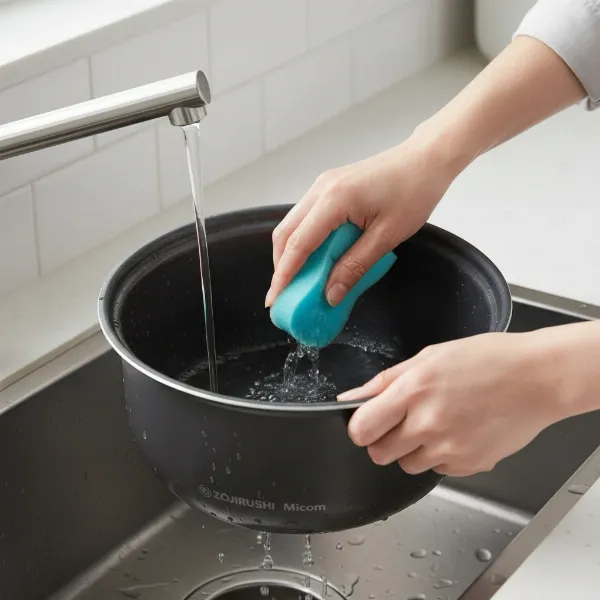
A clean rice cooker is the secret to perfectly fluffy rice every time. While you regularly wash the inner pot and lid, the heating plate at the base of your cooker often gets overlooked. This critical component, responsible for evenly distributing heat, can accumulate burnt-on food, starch residue, and unsightly stains over time. Neglecting its cleanliness can lead to odors, uneven cooking, and even reduced efficiency of your appliance. This guide will walk you through a thorough deep cleaning process for your rice cooker’s heating plate, ensuring it performs optimally and your rice tastes its best.
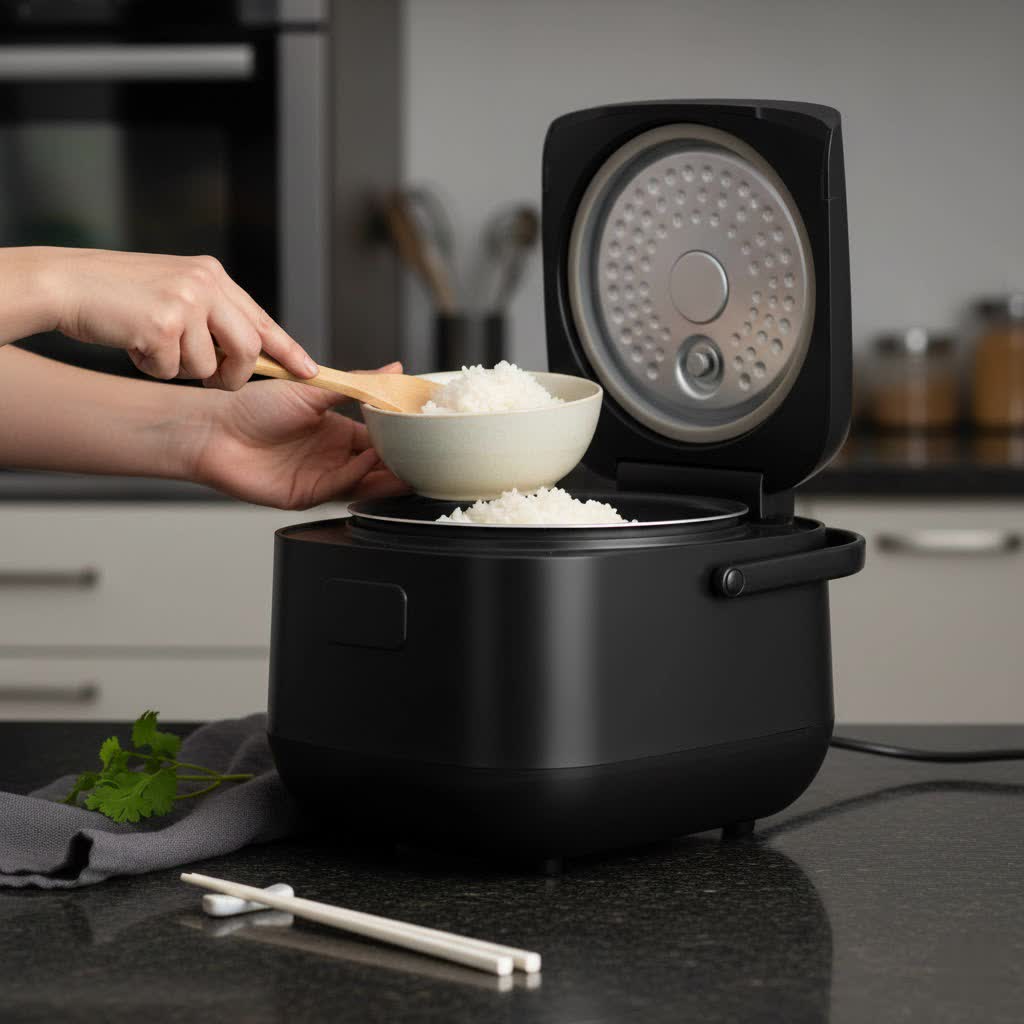
Understanding Your Rice Cooker’s Heating Plate
The heating plate is the circular metal base inside your rice cooker where the inner pot sits. It’s designed to make direct contact with the pot, transferring heat efficiently to cook your rice. Over time, accidental spills, boil-overs, or even steam condensation can deposit starchy residue and food particles onto this surface. When these deposits are repeatedly heated, they can burn, creating stubborn dark spots and sticky films that are difficult to remove with just a simple wipe. Regular cleaning is crucial not only for hygiene but also to maintain the cooker’s heating efficiency and prevent off-flavors from transferring to your food.
Essential Safety Precautions Before Cleaning
Before you begin any cleaning process on your rice cooker’s heating plate, safety must be your top priority. Failure to follow these precautions can lead to electric shock, burns, or damage to your appliance.
- Unplug the Rice Cooker: Always ensure the cooker is completely disconnected from the power outlet. Never attempt to clean it while it’s plugged in.
- Allow to Cool Completely: The heating plate can retain heat for a significant period after use. Wait until the appliance is entirely cool to the touch to prevent burns.
- Never Immerse in Water: The main body of your rice cooker, particularly the base containing the heating plate and electrical components, is not waterproof. Immersing it in water will cause severe damage and pose an electrical hazard. Keep liquids to a minimum and avoid direct pouring.
Step-by-Step Guide to Deep Cleaning Your Rice Cooker Heating Plate
Deep cleaning your rice cooker’s heating plate requires patience and the right approach. Follow these steps carefully to restore its pristine condition.
Gathering Your Cleaning Supplies
Having all your tools ready before you start will make the process smoother and more efficient.
- Soft cloths or microfibre towels: For wiping and drying.
- Non-abrasive sponge or nylon scrubber: To gently scrub away residue without scratching.
- Mild dish soap or detergent: For general cleaning.
- White vinegar: An excellent natural degreaser and deodorizer for stubborn stains.
- Baking soda: Can be used to create a gentle abrasive paste.
- Cotton swabs or an old toothbrush: Ideal for reaching tight spots and crevices.
- Spray bottle (optional): For applying cleaning solutions evenly without over-wetting.
- Fine-grit sandpaper or fine mesh steel wool (last resort): For extremely stubborn, burnt-on stains, used with extreme caution.
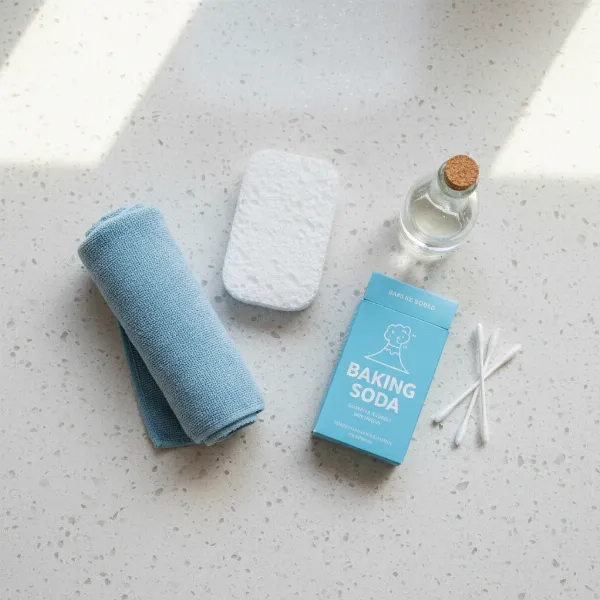 A collection of cleaning supplies for a rice cooker heating plate, including cloths, sponges, vinegar, and baking soda.
Initial Cleaning: Removing Loose Debris
Start with the easiest step to remove any easily accessible food particles or light stains.
First, remove the inner pot and any detachable lids or steam vents from your rice cooker. Using a soft, damp cloth, gently wipe down the entire surface of the heating plate. This will pick up any loose rice grains, dust, or fresh spills. If there are minor sticky spots, a cloth dampened with a little mild dish soap can often remove them effectively. Rinse the cloth and wipe again to remove any soap residue.
Tackling Burnt-On Food and Stubborn Stains
For more persistent marks that a simple wipe can’t handle, you’ll need slightly stronger, yet still gentle, methods.
- Method 1: Vinegar Solution: White vinegar is a fantastic natural cleaner. Lightly dampen a microfibre cloth with undiluted white vinegar or a mixture of equal parts vinegar and water. You can also put this solution in a spray bottle and lightly mist the heating plate. Let the vinegar sit on the stained areas for 5-10 minutes to help break down the burnt residue. Then, gently scrub with a non-abrasive sponge or nylon scrubber.
- Method 2: Baking Soda Paste: For tough, encrusted stains, a baking soda paste can work wonders. Mix a small amount of baking soda with just enough water to form a thick paste. Apply this paste directly onto the stubborn stains on the heating plate. Let it sit for about 10-15 minutes, allowing the baking soda to loosen the grime. Then, use a damp, non-abrasive sponge to gently scrub the area in circular motions.
- Method 3: Mild Cream Cleanser: Some commercial non-abrasive cream cleansers are designed for kitchen surfaces and can be effective. Apply a small amount to a damp non-abrasive sponge and gently rub it over the stained areas. Always ensure the product specifies it’s safe for non-stick or delicate surfaces, and avoid anything too harsh. Afterward, wipe thoroughly with a clean, damp cloth to remove all cleanser residue.
Cleaning Hard-to-Reach Areas
The edges and crevices around the heating plate can be magnets for accumulated grime.
A cotton swab or an old, soft-bristled toothbrush is perfect for these tricky spots. Dip the swab or toothbrush into a vinegar solution or a bit of baking soda paste. Carefully work it around the rim of the heating plate and into any grooves or corners where residue might be hiding. Be gentle to avoid damaging any sensors or delicate parts. Repeat as necessary until all residue is dislodged.
Advanced Cleaning for Extreme Cases (Use with Caution)
Only resort to abrasive tools if all other gentle methods have failed to remove deeply embedded, burnt-on carbon spots. This is a last resort and should be done with extreme care.
- When to Consider Abrasive Tools: If you have brown, burnt-on deposits that scrubbing with a sponge won’t budge, very fine-grit sandpaper (like 400-grit or higher) or fine mesh steel wool can be used.
- Technique and Warnings: This step carries a risk of scratching the heating plate’s surface, which could potentially affect its performance or longevity. Apply very light pressure and rub in small, gentle circular motions over the stubborn spot. Avoid vigorous scrubbing. The goal is to carefully lift the burnt layer, not to scour the metal. Stop immediately if you see any significant scratching or damage. After using an abrasive, always wipe the area thoroughly with a damp cloth to remove any metal particles or residue, followed by a dry wipe.
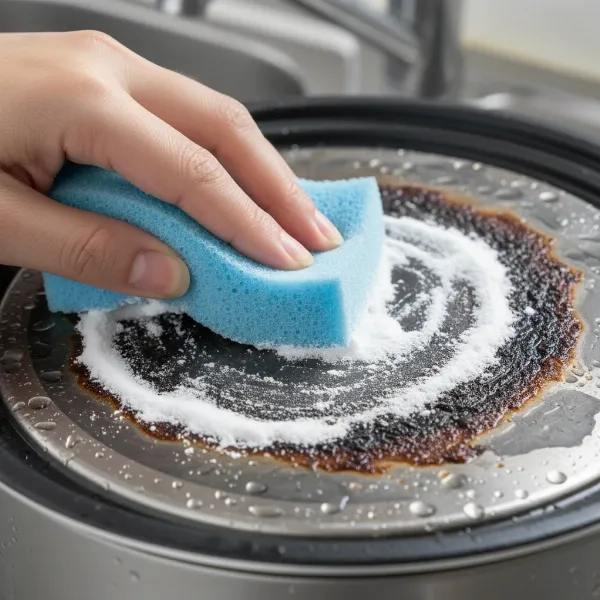 A person gently cleaning a stubborn burnt stain on a rice cooker heating plate with a non-abrasive sponge and baking soda paste.
Drying and Reassembling Your Rice Cooker
Proper drying is a critical step that ensures the safety and longevity of your appliance.
After cleaning, it is absolutely essential to ensure the heating plate and the entire base unit are completely dry before you plug it back in or use it. Use a dry, clean microfibre cloth to wipe away any moisture. Then, allow the rice cooker to air dry for several hours, or even overnight, in a well-ventilated area. You can leave the lid open to encourage airflow. Any residual moisture can cause electrical shorts or rust. Once thoroughly dry, you can reinsert the inner pot, lid, and steam vent.
Tips for Maintaining a Clean Heating Plate
Preventative measures are always easier than deep cleaning. Incorporate these habits into your routine to keep your heating plate cleaner for longer.
- Preventing Boil-Overs: Measure water and rice accurately to avoid overfilling. Ensure the inner pot is clean on the outside before placing it in the cooker to prevent drips.
- Immediate Wiping of Spills: If any liquid or food spills onto the heating plate, unplug the cooker and wipe it up immediately with a damp cloth once it’s cool.
- Regular Light Cleaning: After each use, once the cooker has cooled, take a moment to wipe the heating plate with a slightly damp cloth. This prevents minor residue from building up into stubborn stains.
- Ensure Inner Pot is Clean and Dry: Always place a clean and dry inner pot into the rice cooker. Any moisture or debris on the pot’s exterior can transfer to the heating plate.
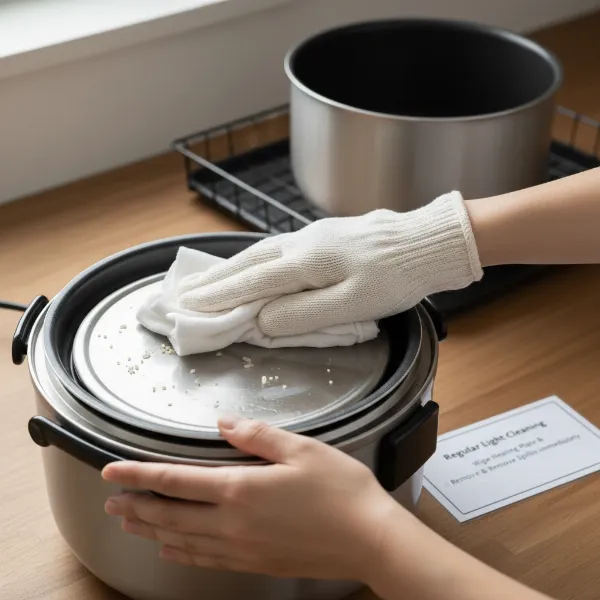 Tips for maintaining a clean rice cooker heating plate, showing a person wiping the plate with a damp cloth.
Common Mistakes to Avoid
Steer clear of these common errors to protect your rice cooker and ensure your safety.
- Using Harsh Chemicals: Avoid abrasive cleaners, bleach, or oven cleaners. These can damage the heating plate’s finish, leave behind toxic residues, or even corrode the metal.
- Scratching the Surface: Aggressive scrubbing with metal scourers or overly coarse abrasives can scratch the heating plate, potentially affecting heat transfer and creating more spots for residue to cling to.
- Getting Electrical Components Wet: Never let water or cleaning solutions drip into the electrical components underneath or around the heating plate. This can cause severe damage or electrical hazards.
- Cleaning While Hot or Plugged In: This is a significant safety risk that can lead to burns or electric shock. Always ensure the unit is unplugged and fully cooled.
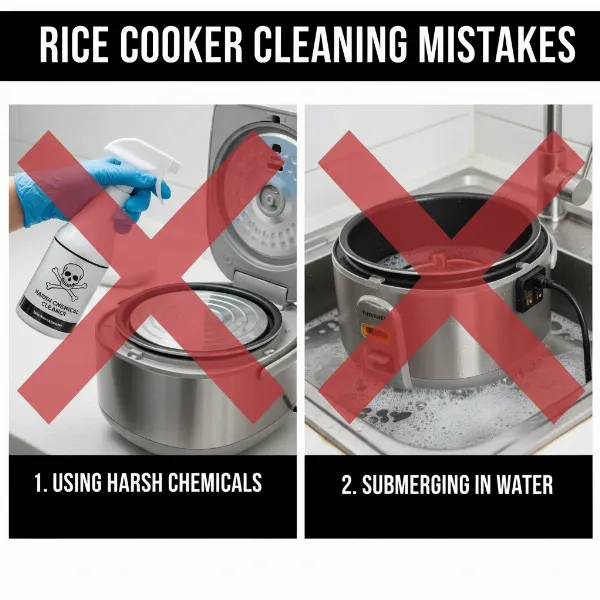 Illustrating common mistakes to avoid when cleaning a rice cooker heating plate, such as using harsh chemicals or immersing in water.
Frequently Asked Questions
How often should I deep clean my rice cooker heating plate?
Ideally, a light wipe-down after every few uses is beneficial. A thorough deep clean should be performed every few months, or immediately if you notice significant spills or burnt-on residue affecting performance.
Can I use abrasive scrubbers on the heating plate?
It is strongly advised to use only non-abrasive sponges or cloths. Abrasive scrubbers can scratch the surface, which can lead to reduced efficiency and further accumulation of grime. Fine-grit sandpaper is a last resort for extreme, burnt-on stains, but use it with extreme caution and very light pressure.
What if the dark spots won’t come off?
Some dark spots might be heat stains or discoloration that are permanent and do not affect the cooker’s performance. If you’ve tried gentle cleaning methods and the extreme caution method with fine sandpaper and spots remain, they are likely cosmetic and harmless.
Is it normal for the heating plate to change color over time?
Yes, it’s common for the heating plate to show some discoloration or darkening over time due to repeated heating and minor exposure to food particles or moisture. As long as it’s clean and free from actual residue, a slight color change is usually normal and does not impact performance.
Why is my rice cooker burning rice after cleaning?
If your rice cooker starts burning rice after cleaning, especially if you had a boil-over accident, it’s possible that moisture or damage to the heating elements occurred. Ensure the cooker was completely dry before use. If the problem persists, the internal components might be damaged, and professional repair or replacement might be necessary.
Conclusion
A well-maintained Rice Cooker heating plate is essential for consistent performance and delicious rice. While often neglected, taking the time to deep clean this component can prevent odors, ensure even cooking, and extend the lifespan of your appliance. Remember to prioritize safety by unplugging the unit and allowing it to cool completely before cleaning. Start with gentle methods like vinegar or baking soda, and only consider more abrasive options as a last resort with extreme caution. By incorporating these cleaning and maintenance tips into your routine, you can enjoy perfectly cooked rice for years to come. What simple cleaning tip has made the biggest difference in your kitchen appliances?