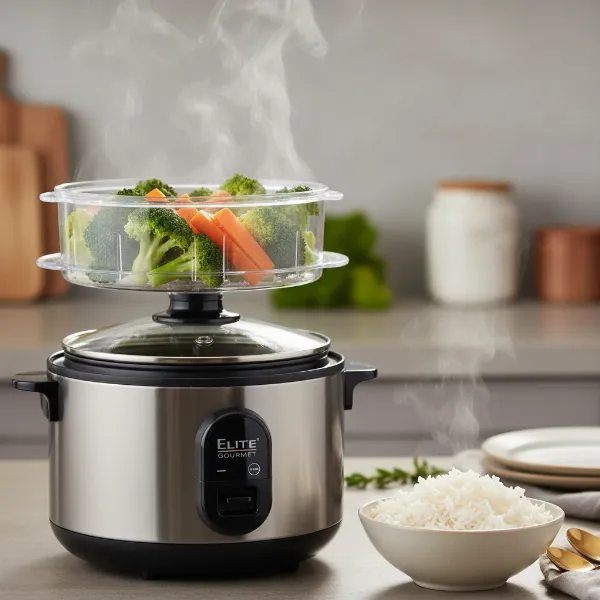
Unlock the secret to creamy, delicious homemade yogurt right in your kitchen, using an appliance you already own: your rice cooker. While these versatile machines excel at perfectly cooked grains, their “keep warm” function holds a surprising power for fermentation, turning simple milk into tangy yogurt. This guide will walk you through the clever “keep warm” hack, ensuring you master the art of rice cooker yogurt for a fresh, healthy addition to your daily routine without needing a dedicated yogurt maker.
Why Your Rice Cooker is the Unexpected Yogurt Maker
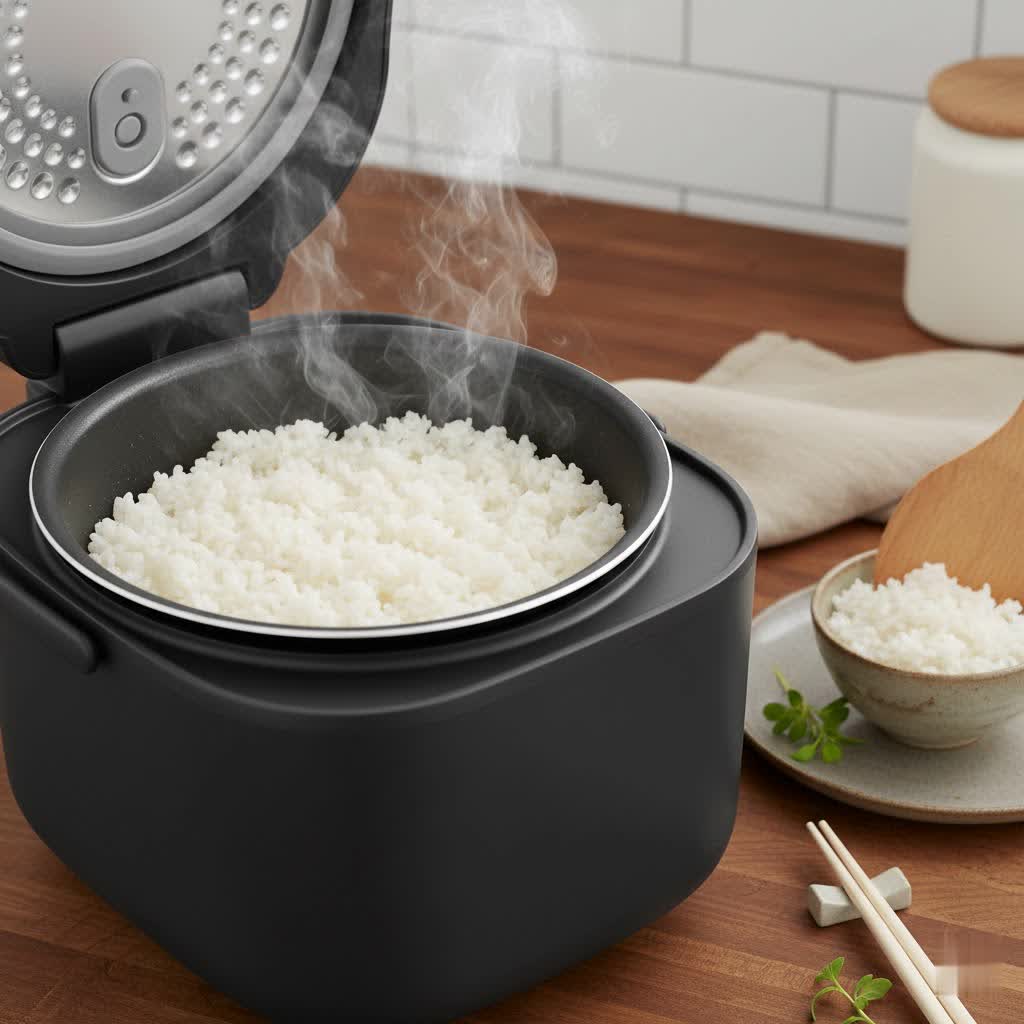
Many aspire to make homemade yogurt for its fresh taste, customizable flavors, and probiotic benefits, but are often deterred by specialized equipment. This is where your humble rice cooker steps in as an unsung hero. Its primary function is to maintain warmth, a critical element for yogurt fermentation. With a little know-how, you can transform it into an ideal incubator, providing the consistent, gentle heat that lactic acid bacteria need to thrive and thicken milk into yogurt. It’s a smart, economical solution for anyone looking to embrace the joys of DIY dairy.
Understanding the “Keep Warm” Challenge for Perfect Fermentation
The magic of yogurt making lies in maintaining a specific temperature range, typically between 90°F and 110°F (32°C and 43°C), for several hours. This warmth encourages the beneficial bacteria in your starter to multiply, consume lactose, and produce lactic acid, which thickens the milk and gives yogurt its characteristic tang.
However, a standard rice cooker’s “keep warm” setting can sometimes run hotter than this ideal range, potentially reaching temperatures that could harm or even kill your delicate starter cultures. The key to the “keep warm” hack isn’t to leave it on continuously for hours, but rather to use its heating capability intelligently, followed by insulation, to create a stable, warm environment without overheating. By understanding this balance, you can harness your rice cooker’s power effectively.
What You’ll Need: Essential Ingredients and Equipment
Before you embark on your yogurt-making journey, gather these simple items:
Ingredients:
- Milk: 1 gallon (approximately 3.8 liters) of whole milk is highly recommended for a thicker, creamier yogurt. While lower-fat milk can be used, the texture may be thinner. Pasteurized milk is crucial; avoid ultra-pasteurized (UHT) as it can sometimes struggle to set properly.
- Yogurt Starter: About 2-4 tablespoons of plain, unflavored yogurt with live active cultures. Check the label to ensure it contains bacteria like Lactobacillus bulgaricus and Streptococcus thermophilus. Alternatively, you can use a freeze-dried yogurt starter culture for consistent results.
Equipment:
- Rice Cooker: Your trusty appliance with a “keep warm” function.
- Food Thermometer: Essential for accurately monitoring milk temperatures. A candy thermometer or digital instant-read thermometer works best.
- Saucepan (optional): If you prefer to heat your milk on the stovetop.
- Whisk or Spoon: For mixing.
- Clean Jars or Containers: For storing your finished yogurt.
- Thick Towel or Blanket: For insulation during the fermentation phase.
Ensuring all your equipment is thoroughly clean and sanitized is paramount to prevent unwanted bacteria from interfering with your yogurt cultures.
The Step-by-Step Guide: Making Yogurt in Your Rice Cooker
Creating homemade yogurt with your rice cooker is a straightforward process once you understand the rhythm of heating, cooling, and gentle incubation.
Step 1: Sanitize All Equipment
Cleanliness is next to godliness in yogurt making. Before you begin, thoroughly wash and sanitize your rice cooker pot, whisk, thermometer, and any containers you’ll use. You can do this by washing them with hot soapy water, rinsing, and then dipping them in a mild bleach solution (1 tsp bleach per gallon of water) for a minute, then air-drying, or by sterilizing them in boiling water for a few minutes. This eliminates any competing bacteria that could spoil your yogurt.
Step 2: Heat the Milk
Pour your milk into the rice cooker pot. Turn the rice cooker to its “cook” setting (if it has one that allows heating, or transfer to a saucepan on the stovetop). Heat the milk to 180-185°F (82-85°C). This process, known as scalding, denatures the milk proteins, which helps create a thicker yogurt and kills any undesirable bacteria. Stir occasionally to prevent scorching the bottom. Once it reaches the target temperature, turn off the heat.
Step 3: Cool the Milk
This is a critical step. You must cool the milk down to the ideal inoculation temperature of 100-115°F (38-46°C) before adding your starter. If the milk is too hot, it will kill the beneficial bacteria in your yogurt starter, and your yogurt won’t set. You can speed up cooling by placing the rice cooker pot in a sink filled with ice water, stirring gently. Keep a close eye on your thermometer.
Step 4: Inoculate with Starter
Once the milk has cooled to the correct temperature range (100-115°F), add your yogurt starter. If using plain yogurt, whisk it thoroughly into a small amount of the warm milk first to create a smooth paste, then gently stir this mixture back into the main batch of milk. If using a freeze-dried culture, follow the package instructions. Stir gently to ensure the starter is evenly distributed. Do not overmix.
Step 5: The “Keep Warm” Incubation Hack
Now for the ingenious part! Return the lid to your rice cooker pot. Instead of leaving the “keep warm” function on continuously, which could overheat your mixture, try this:
- Activate “Keep Warm”: Turn on the “keep warm” setting for approximately 1 to 1.5 hours. This initial burst of warmth helps to kickstart the fermentation process.
- Deactivate and Insulate: After 1 to 1.5 hours, turn the rice cooker off. Immediately wrap the entire rice cooker pot (with the lid still on) in a thick towel or blanket. This insulation will help trap the residual heat, maintaining a stable temperature for the bacteria to work their magic over an extended period. Some older or less insulated models might benefit from having the entire rice cooker wrapped, not just the inner pot.
Alternatively, some users find success with a “pulsed” keep warm method, turning the setting on for 30 minutes, then off for 30 minutes, repeating this for a few hours. However, the initial method of one longer burst followed by insulation is often simpler and yields consistent results.
Step 6: Fermentation Time
Leave the insulated rice cooker undisturbed for 7-12 hours. The longer the fermentation, the tangier and often thicker your yogurt will become. Avoid opening the lid during this time, as disturbing the temperature can disrupt the bacteria’s activity. After about 7-8 hours, check the consistency by gently tilting the pot; if it has set and appears jiggly, it’s ready. If it’s still too liquid, let it ferment for a few more hours.
Step 7: Chill and Enjoy
Once your yogurt has reached the desired consistency, remove the pot from the rice cooker. Give it a gentle stir, then transfer it to clean jars or containers. Refrigerate for at least 4-6 hours, or preferably overnight, to allow the yogurt to set further and develop its full flavor. The chilling process also halts the fermentation.
Tips for Perfectly Homemade Rice Cooker Yogurt
Achieving perfect yogurt consistency and flavor takes a little practice. Here are some tips to help you succeed:
- Quality Ingredients Matter: Start with high-quality whole milk and a fresh, potent yogurt starter. The better your starting materials, the better your final product.
- Temperature Precision is Key: Invest in a reliable food thermometer. The difference of a few degrees can significantly impact your yogurt’s texture and tang.
- Don’t Disturb the Process: Resist the urge to peek or stir during the fermentation period. Consistency in temperature is crucial for the bacteria.
- Experiment with Fermentation Time: A shorter fermentation (7-8 hours) will yield a milder, sweeter yogurt, while a longer one (10-12 hours or more) will result in a tangier, firmer product. Taste testing is your best guide.
- Consider a Ceramic Insert: If your rice cooker has a metal inner pot, some find placing their milk in a separate ceramic or glass bowl that fits inside the rice cooker (and then using the “keep warm” hack) can offer more consistent heat distribution and better insulation.
- Strain for Greek Yogurt: If you prefer thick Greek yogurt, line a colander with cheesecloth and place it over a bowl. Pour your finished yogurt into the cheesecloth and let it strain in the refrigerator for several hours or overnight. The longer you strain, the thicker it becomes, yielding a rich, creamy Greek-style yogurt and a liquid whey byproduct.
Troubleshooting Common Yogurt-Making Hurdles
Even with the best intentions, homemade yogurt can sometimes present challenges. Here’s how to address common issues:
- Yogurt is Too Thin/Runny:
- Possible Cause: Milk wasn’t heated to a high enough temperature (180-185°F) or wasn’t cooled properly before adding the starter.
- Solution: Ensure accurate temperatures. Consider adding a few tablespoons of dry milk powder to the milk before heating to increase protein content for a thicker result.
- Yogurt Didn’t Set at All:
- Possible Cause: Starter cultures were killed by milk that was too hot, or the incubation temperature was too low or inconsistent. The starter itself might also have been old or lacked active cultures.
- Solution: Double-check your thermometer for accuracy. Make sure your starter yogurt is fresh and clearly states “live active cultures.” Ensure the “keep warm” hack provides sufficient initial heat and prolonged insulation.
- Yogurt is Too Tangy:
- Possible Cause: Fermented for too long.
- Solution: Reduce the fermentation time in your next batch.
- Yogurt Has a Gritty or Lumpy Texture:
- Possible Cause: Milk scorched at the bottom during heating, or the starter wasn’t fully incorporated.
- Solution: Stir milk more frequently while heating. Whisk starter into a small amount of milk first to ensure smoothness before adding to the larger batch.
- Mold or Off-Flavors:
- Possible Cause: Poor sanitation or contamination from unwanted bacteria.
- Solution: Meticulously sanitize all equipment before use. Discard any yogurt with mold or an unpleasant smell.
Elevate Your Yogurt: Customization Ideas
Once you’ve mastered the basic rice cooker yogurt, the possibilities for customization are endless.
- Sweeteners: Stir in honey, maple syrup, agave, or sugar after the yogurt has chilled.
- Fruit: Add fresh berries, sliced bananas, or chopped mango. For a more intense flavor, stir in fruit preserves or compotes.
- Flavor Extracts: A few drops of vanilla extract, almond extract, or even lemon zest can transform your yogurt.
- Spices: Try a pinch of cinnamon, cardamom, or nutmeg for a warm, aromatic touch.
- Granola and Nuts: For added texture and crunch, top your yogurt with homemade granola, toasted nuts, or seeds.
- Savory Options: While less common, plain homemade yogurt can be a base for savory dips and sauces. Mix in herbs, garlic, salt, and pepper for a fresh tzatziki or a raita.
Conclusion
Making homemade yogurt in your rice cooker using the “keep warm” hack is a rewarding and surprisingly simple endeavor. By carefully managing temperatures and understanding the nuances of the fermentation process, you can consistently produce fresh, creamy yogurt tailored to your taste. This clever use of a common kitchen appliance not only saves you money but also empowers you with the knowledge to create a wholesome food from scratch. So, embrace the versatility of your rice cooker and discover the satisfaction of truly homemade goodness. Your taste buds, and your wallet, will thank you.
Frequently Asked Questions
Can I use any type of milk for rice cooker yogurt?
While whole, pasteurized cow’s milk is generally recommended for the best texture, you can experiment with lower-fat dairy milk. Some have success with plant-based milks, but these often require added thickeners or specific starter cultures designed for non-dairy options, and results can vary greatly.
How long does homemade yogurt last in the refrigerator?
Homemade yogurt, stored in airtight containers, typically lasts for about 1 to 2 weeks in the refrigerator. Always check for any signs of spoilage, such as unusual smells, mold, or discoloration, before consuming.
Why is my homemade yogurt thinner than store-bought?
Most commercial yogurts contain thickeners like pectin, gelatin, or modified food starch, which are not present in homemade versions. Your homemade yogurt will naturally have a slightly thinner consistency, though using whole milk and straining it can help achieve a thicker result.
Can I reuse my homemade yogurt as a starter for the next batch?
Yes, you can! This is often called “reculturing.” Simply reserve 2-4 tablespoons of your fresh homemade yogurt from your current batch to use as the starter for your next. This can be done for several generations, but eventually, the cultures may weaken, and you might need to use a fresh commercial starter again.
Do I need a thermometer? Can I just guess the temperature?
A food thermometer is highly recommended. Guessing temperatures is a common reason for failed yogurt batches, as milk that is too hot will kill the starter cultures, and milk that is too cool will not allow them to ferment effectively. Precision ensures success.
Can I make Greek yogurt directly in the rice cooker?
You make regular yogurt in the rice cooker first. To transform it into Greek yogurt, you will need to strain the finished yogurt through cheesecloth or a fine-mesh strainer after it has chilled. This process removes excess whey, resulting in a much thicker, creamier Greek-style yogurt.
My rice cooker doesn’t have a specific “yogurt” setting. Will this hack still work?
Yes, this hack is specifically designed for Rice Cookers without a dedicated yogurt setting, leveraging the basic “keep warm” function. The key is the initial heating phase, followed by turning the “keep warm” off and insulating the cooker to maintain a stable, residual warmth for fermentation.