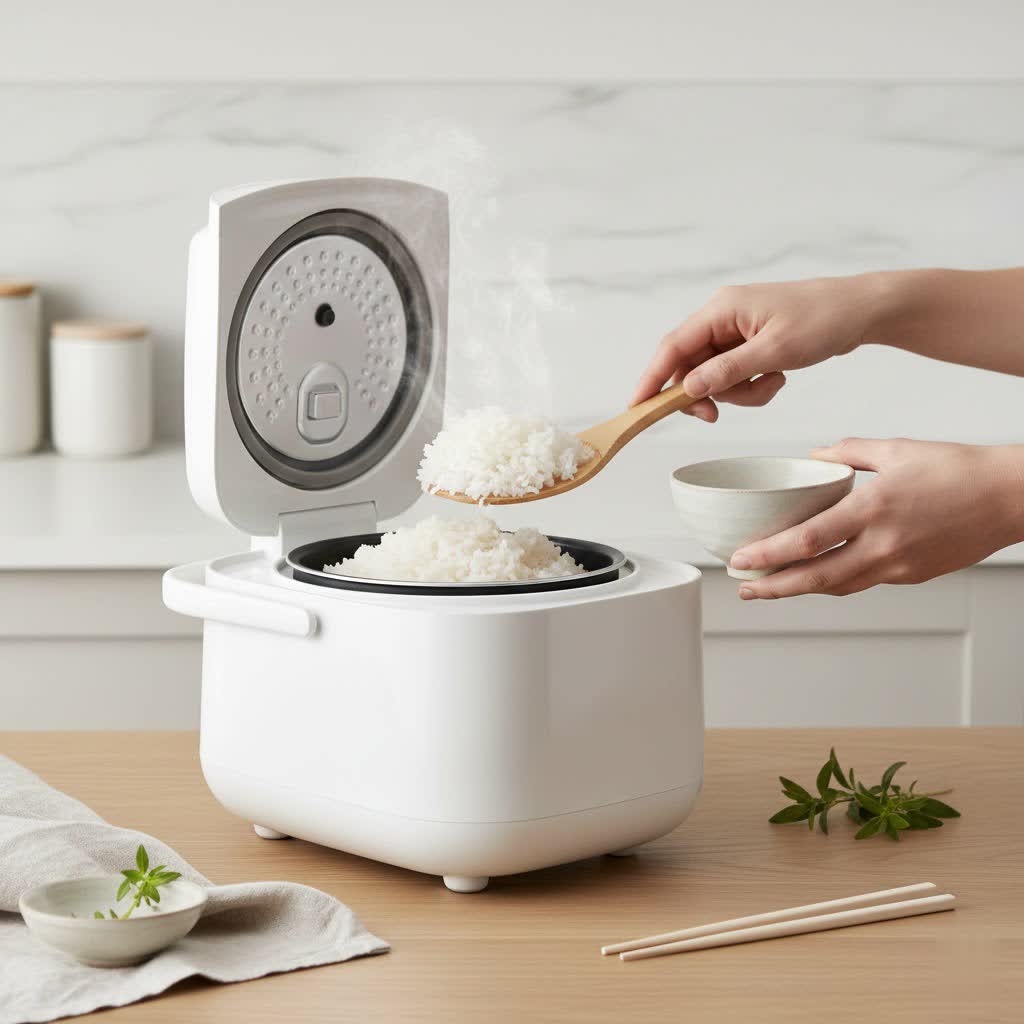
The quest for perfectly cooked rice is a culinary journey many embark on, seeking that ideal texture and flavor. In modern kitchens, advanced rice cookers promise to elevate this staple to new heights, primarily through two sophisticated technologies: Induction Heating (IH) and Pressure Induction Heating (Pressure IH). While both offer significant improvements over conventional models, understanding their distinct mechanisms and outcomes is key to choosing the right appliance for your home.
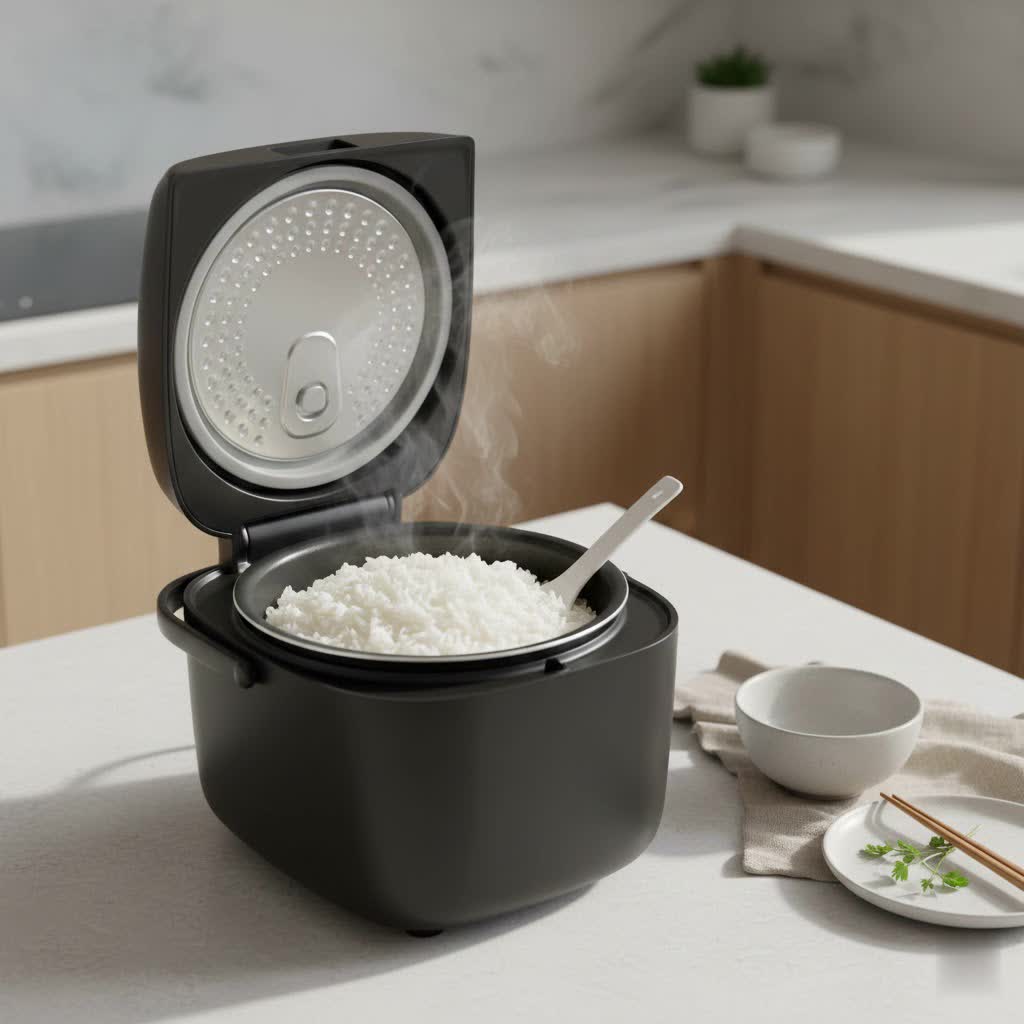
This article delves into the intricacies of IH and Pressure IH rice cookers, explaining how each technology works, the unique benefits they bring to your cooking, and the specific rice textures they produce. By comparing their features, advantages, and ideal uses, you’ll gain the clarity needed to make an informed decision and perhaps, discover your ultimate rice-cooking companion.
Understanding Induction Heating (IH) Rice Cookers
Induction Heating (IH) technology represents a significant leap from traditional rice cookers, which typically rely on a heating plate at the bottom of the pot. Instead of external heat transfer, IH models create heat directly within the cooking vessel itself, offering a more precise and efficient cooking experience.
What is IH Technology?
Table is empty.At the core of IH technology are magnetic induction coils embedded around the inner walls and bottom of the rice cooker. When an alternating electric current passes through these coils, it generates a powerful magnetic field. The inner pot, typically made of a magnetic material, is placed within this field. This interaction induces an electrical current directly within the pot, causing it to heat up rapidly and uniformly from all directions—not just from the bottom. This direct and comprehensive heating prevents cold spots and ensures that every grain of rice is exposed to consistent temperatures throughout the cooking process.
Benefits of IH Cooking
The direct and all-encompassing heating method of IH rice cookers translates into several culinary advantages. First, the incredibly even heat distribution means there are no “hot spots” or “cold spots,” leading to remarkably uniform cooking. Every grain of rice receives consistent heat, resulting in a more homogenous texture and flavor across the entire batch. Second, IH technology allows for exceptionally precise temperature control. The strength of the magnetic field can be adjusted almost instantaneously, enabling the cooker to fine-tune temperatures throughout different cooking phases. This responsiveness ensures optimal conditions for starch gelatinization and water absorption, crucial for perfect rice. Finally, this precision and evenness significantly enhance the flavor profile of the cooked rice, activating its natural sweetness and aroma more effectively than conventional methods.
Resulting Rice Texture
Rice cooked in an IH rice cooker typically boasts a superior texture. The consistent and uniform heating ensures that each grain is thoroughly cooked from the inside out. This usually results in rice that is fluffy, light, and with individual grains that are distinct and separate, rather than clumpy or mushy. It’s an ideal choice for those who appreciate a less sticky, more al dente style of rice, where the integrity of each grain is perfectly maintained.
Delving into Pressure Induction Heating (Pressure IH) Rice Cookers
Building upon the foundations of IH technology, Pressure Induction Heating (Pressure IH) rice cookers introduce an additional layer of sophistication: pressure cooking. This combination harnesses the even heating of IH with the enhanced cooking capabilities of a sealed, high-pressure environment, leading to a distinctive rice experience.
What is Pressure IH Technology?
Pressure IH technology integrates the magnetic induction heating system with a sealed lid and internal pressure mechanism. As the IH coils heat the inner pot uniformly, the cooker simultaneously builds and maintains high pressure inside. This increased atmospheric pressure elevates the boiling point of water beyond the standard 212°F (100°C), allowing the rice to cook at higher temperatures for a portion of the cycle. The combination of intense, even heat and superheated steam forces more moisture deep into each grain, fundamentally altering its structure and texture.
Benefits of Pressure IH Cooking
The inclusion of pressure cooking alongside IH offers unique advantages. One significant benefit is accelerated cooking times, especially noticeable for tougher grains like brown rice, which typically require longer cooking periods. The high pressure ensures deeper and more thorough water penetration into the rice grains. This process mimics traditional cooking methods, such as those used in Korean Gamasot (traditional cast iron cauldrons), which are renowned for producing exceptionally delicious and sticky rice. The intense heat and pressure also play a role in activating deeper flavors and aromas within the rice, yielding a richer and more profound taste compared to standard methods.
Resulting Rice Texture
The texture of rice cooked in a Pressure IH rice cooker is notably different and often highly desired, especially for specific culinary traditions. Due to the deeper water absorption under pressure, the rice grains become significantly more hydrated, resulting in a softer, chewier, and distinctly stickier consistency. This texture is often described as “al dente sticky,” where the grains hold together but still maintain a pleasant bite. This quality is particularly prized for dishes like sushi, Korean bibimbap, or other meals where a glutinous, cohesive rice is preferred. While it can produce a wonderful result, some users note that rice from a pressure IH cooker might be too moist for dishes like fried rice if not allowed to dry out sufficiently.
Key Differences: IH vs. Pressure IH Rice Cookers
While both Induction Heating and Pressure IH rice cookers utilize advanced technology for superior rice, their fundamental differences lie in the application of pressure, leading to distinct outcomes in terms of cooking time, texture, and overall rice quality.
Heating Mechanism
Both IH and Pressure IH cookers employ electromagnetic induction coils that heat the entire inner pot directly and evenly. This is a significant upgrade from conventional rice cookers that only heat from a single element at the bottom. The core difference emerges with the addition of pressure. A standard IH cooker operates at atmospheric pressure, focusing solely on precise temperature control and uniform heating. Pressure IH, however, seals the cooking environment, allowing internal pressure to build, which raises the boiling point of water and intensifies the cooking process.
Cooking Time
Generally, Pressure IH rice cookers tend to cook rice faster, particularly for types that demand more hydration or longer cooking, such as brown rice. The elevated temperatures under pressure reduce the time needed for starches to gelatinize and grains to soften. For white rice, the time difference might be less pronounced, and sometimes the pressure-building phase can make the overall cycle similar to or even slightly longer than an IH cooker’s white rice cycle. However, the deep cooking under pressure can often mean the rice is perfectly ready to serve immediately after the cycle finishes.
Rice Texture & Taste
This is perhaps the most significant differentiator.
- IH Cookers excel at producing rice with distinct, fluffy, and consistently cooked individual grains. The even heat ensures a uniform “doneness” without clumping, often highlighting the delicate nuances of the rice’s natural flavor.
- Pressure IH Cookers yield a stickier, softer, and more hydrated rice. The high pressure forces moisture deeper into the grain, resulting in a chewier, often more glutinous texture that many associate with premium Asian rice. This deep hydration can also unlock a richer, more profound flavor profile, often described as more “umami.”
Cost
As a rule, Pressure IH rice cookers represent the premium tier in the market and are typically more expensive than standard IH models. The added engineering complexity of the pressure system, including robust seals and advanced safety features, contributes to the higher price point. IH models, while still an investment compared to basic electric rice cookers, are generally more accessible.
Versatility
Both types are versatile enough to cook various grains beyond white rice, including brown rice, mixed grains, and often porridge. However, Pressure IH cookers often have specialized settings that are particularly adept at handling different rice varieties by fine-tuning pressure levels and cooking curves. For instance, they might have specific modes designed to maximize the stickiness of short-grain rice or to perfectly tenderize harder grains. While an IH cooker delivers excellent results across the board, a Pressure IH model can offer a more tailored and often superior outcome for certain rice types and desired textures.
Choosing the Right Rice Cooker for Your Kitchen
Deciding between an Induction Heating (IH) and a Pressure Induction Heating (Pressure IH) rice cooker ultimately comes down to your personal preferences, cooking habits, and budget. Both are premium appliances designed to deliver exceptional rice, but their nuanced differences cater to varying culinary desires.
Consider Your Preferred Rice Texture
The texture of your cooked rice is arguably the most critical factor. Do you gravitate towards light, fluffy grains that are distinct and separate? If so, a standard IH rice cooker is likely your ideal match, consistently producing this sought-after result. However, if your preference leans towards rice that is softer, more hydrated, and distinctly sticky—the kind that holds together beautifully for sushi, sticky rice dishes, or is reminiscent of traditional Korean Gamasot rice—then a Pressure IH model will better satisfy your palate.
Types of Rice You Cook
Consider the staples in your kitchen. If white rice is your primary grain, both IH and Pressure IH will deliver excellent results, though with textural differences. For those who frequently cook brown rice, mixed grains, or specialized varieties like GABA rice, a Pressure IH cooker can offer significant advantages. The higher pressure and temperature can significantly reduce cooking times for these tougher grains and ensure more thorough cooking, leading to a consistently tender and palatable outcome.
Budget Considerations
As advanced kitchen appliances, both IH and Pressure IH rice cookers represent an investment. Pressure IH models typically sit at the higher end of the price spectrum dueaking to the added complexity of their pressure-regulating mechanisms and often more robust build. If budget is a primary concern, an IH rice cooker provides a substantial upgrade in rice quality over conventional models without reaching the peak price point of its pressure-enabled counterpart. Evaluate how much you’re willing to spend for the incremental benefits of pressure cooking.
Cooking Speed
While both cookers are efficient, a Pressure IH cooker can sometimes offer slightly faster cooking times for certain types of rice, particularly those requiring longer hydration. If speed is a critical factor in your busy kitchen, especially for denser grains, the pressure function could be a valuable asset. However, for everyday white rice, the difference in cooking duration between IH and Pressure IH might not always be substantial enough to be a deal-breaker.
Family Size and Usage
Think about your daily cooking routine and the size of your household. If you cook rice frequently and for a family that appreciates a specific, often stickier, texture, the premium investment in a Pressure IH model might be well justified by the consistently superior results. For smaller households or those who only cook rice occasionally, a high-quality IH rice cooker may offer ample performance without overspending.
Top Brands and Innovations in IH and Pressure IH
The market for IH and Pressure IH rice cookers is dominated by a few renowned brands, primarily from Asia, known for their relentless innovation and dedication to perfect rice. These manufacturers continually push the boundaries of cooking technology, integrating smart features and robust designs.
Brands such as Zojirushi, Cuckoo, Cuchen, and Panasonic are at the forefront, each offering a range of models that showcase the strengths of IH and Pressure IH technologies. Their innovations often include multi-layer inner pots with special coatings (e.g., platinum infusion or diamond ceramic) designed to optimize heat transfer and retention. Many models also feature sophisticated AI or “fuzzy logic” microcomputers that automatically adjust cooking temperatures and times based on the type of rice, quantity, and even ambient conditions, ensuring consistent results. Specialized menus for various rice types, such as white, brown, sushi, mixed, and even porridge, are common, providing tailored cooking cycles. Some advanced Pressure IH models also incorporate variable pressure technology, allowing for precise adjustments to pressure levels to achieve desired textures, from firm to extra soft. These brands invest heavily in research and development, constantly refining their heating elements, pressure mechanisms, and control algorithms to deliver the ultimate rice-cooking experience.
Care and Maintenance for Advanced Rice Cookers
Proper care and maintenance are essential for ensuring the longevity and optimal performance of your IH or Pressure IH rice cooker. These advanced appliances, with their precise components and specialized inner pots, benefit greatly from routine cleaning and careful handling.
The inner cooking pot, often made with durable non-stick coatings and multiple layers, should be washed gently with a soft sponge and mild dish soap to prevent scratching or damage to its surface. Avoid abrasive cleaners or harsh scrubbing pads. For the main body of the cooker, a damp cloth is usually sufficient for wiping down the exterior. For Pressure IH models, particular attention should be paid to the pressure release valve and the inner lid packing. These components can accumulate food residue and should be regularly disassembled (if removable) and cleaned according to the manufacturer’s instructions to ensure proper sealing and safe operation. Always ensure all parts are completely dry before reassembling and storing the cooker. Following these simple steps will help maintain your appliance’s efficiency and continue to produce delicious rice for years to come.
Addressing Common Misconceptions
Despite their popularity, some common misconceptions about IH and Pressure IH rice cookers can lead to confusion. Clarifying these can help users better appreciate the capabilities of these advanced appliances.
One frequent misconception is that “Pressure IH makes all rice mushy.” While it’s true that Pressure IH can create a softer, stickier texture, modern models offer various settings and customizable options that allow users to achieve their preferred consistency. Adjusting water ratios or selecting specific menus (e.g., “regular,” “firm,” “soft”) can prevent overly mushy rice, ensuring grains retain their desired integrity and bite. Another belief is that “IH isn’t worth the cost” compared to basic electric cookers. The higher price of IH cookers is justified by their significantly better heat distribution, precise temperature control, and the resulting superior texture and flavor of the rice, making them a worthwhile investment for rice enthusiasts. Lastly, some assume these advanced cookers are “only for Asian rice.” In reality, both IH and Pressure IH models are designed to perfectly cook a wide array of grains, including various types of white and brown rice, mixed grains, steel-cut oats, and quinoa, offering versatility for diverse culinary needs.
Conclusion
The journey to perfect rice is continuously evolving, with Induction Heating (IH) and Pressure Induction Heating (Pressure IH) rice cookers standing as pinnacles of modern cooking technology. Both systems offer a dramatic improvement over conventional rice cookers by providing more even heat distribution and precise temperature control, leading to consistently delicious results. The fundamental distinction lies in the application of pressure: IH cookers excel at producing fluffy, distinct grains, while Pressure IH models, by cooking under elevated pressure, yield a softer, stickier, and more deeply hydrated rice with a richer flavor profile.
Ultimately, the choice between IH and Pressure IH hinges on personal preference, the types of rice you consume most often, and your budget. If you prioritize light, separate grains and appreciate precise cooking, an IH model is an excellent investment. However, if you crave the unique chewy-sticky texture of traditional high-pressure cooking and the enhanced flavor it brings, particularly for Asian varieties or brown rice, a Pressure IH cooker is an unparalleled choice. Consider your culinary aspirations and daily needs to select the appliance that will truly elevate your rice-cooking experience. Which rice cooker will you choose to transform your kitchen and perfect your daily meal?
Frequently Asked Questions
Is an IH rice cooker worth the investment?
Yes, an IH rice cooker is generally considered a worthwhile investment for those who appreciate consistently high-quality rice. Its advanced induction heating system ensures uniform cooking, precise temperature control, and enhanced flavor compared to conventional electric rice cookers, justifying the higher cost through superior results.
What is the main advantage of Pressure IH technology?
The main advantage of Pressure IH technology is its ability to cook rice under high pressure, which raises the boiling point of water and forces more moisture deep into the grains. This process results in a significantly softer, stickier, and more hydrated rice texture, often with a deeper, richer flavor, and can also reduce cooking times for certain tougher grains like brown rice.
Can I cook all types of rice in an IH or Pressure IH cooker?
Yes, both IH and Pressure IH rice cookers are highly versatile and designed to cook a wide variety of grains, not just white rice. They typically feature specialized settings for different types such as brown rice, sweet rice, mixed grains, sushi rice, and even porridge, optimizing the cooking cycle for each.
Do Pressure IH rice cookers cook faster than standard IH models?
Pressure IH rice cookers often cook faster, especially for tougher grains like brown rice, due to the higher temperatures achieved under pressure. For white rice, the cooking time might be comparable or even slightly longer than a standard IH cooker’s cycle because of the time required to build pressure.
What’s the difference in taste and texture between IH and Pressure IH rice?
IH rice tends to be fluffy, with distinct, separate grains, highlighting the individual characteristics of the rice. Pressure IH rice is typically softer, stickier, and more hydrated, often described as having a chewier or “al dente” sticky texture, and can offer a deeper, more robust flavor profile.
Are IH rice cookers more energy-efficient?
While IH Rice Cookers generally heat more efficiently by directly heating the inner pot, their overall energy consumption can vary depending on the model, size, and specific cooking cycles. The precise control and rapid heating contribute to efficiency, but the advanced features and powerful heating elements mean they might still draw significant power during operation.