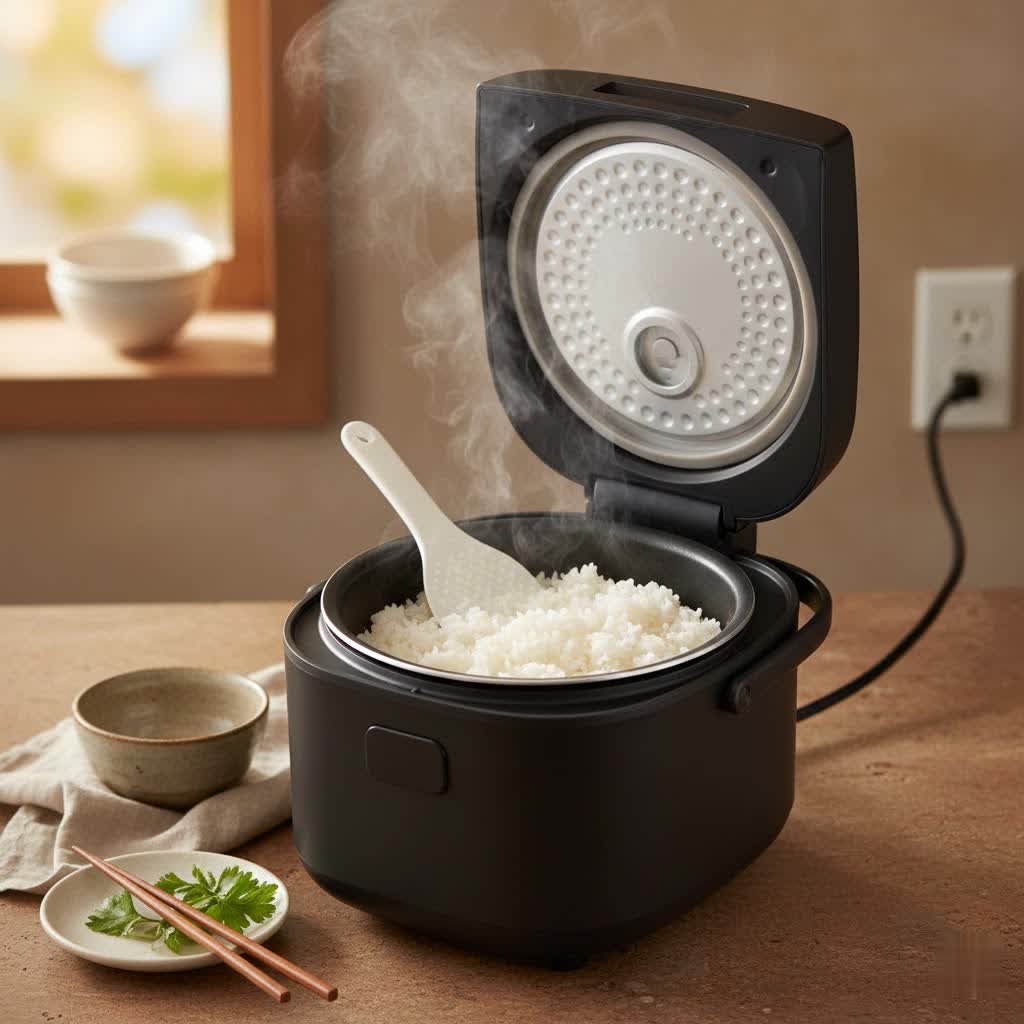
Are you tired of unevenly cooked rice or kitchen appliances that only serve one purpose? Modern home cooks demand efficiency and versatility, and a digital rice cooker is often the answer. Midea, a globally recognized brand in home appliances, offers digital rice cookers equipped with multiple functions, designed to simplify your cooking routine. This comprehensive review dives into the features, performance, and overall value of the Midea Digital Rice Cooker with its popular 8-in-1 capabilities, helping you decide if it’s the perfect addition to your kitchen.
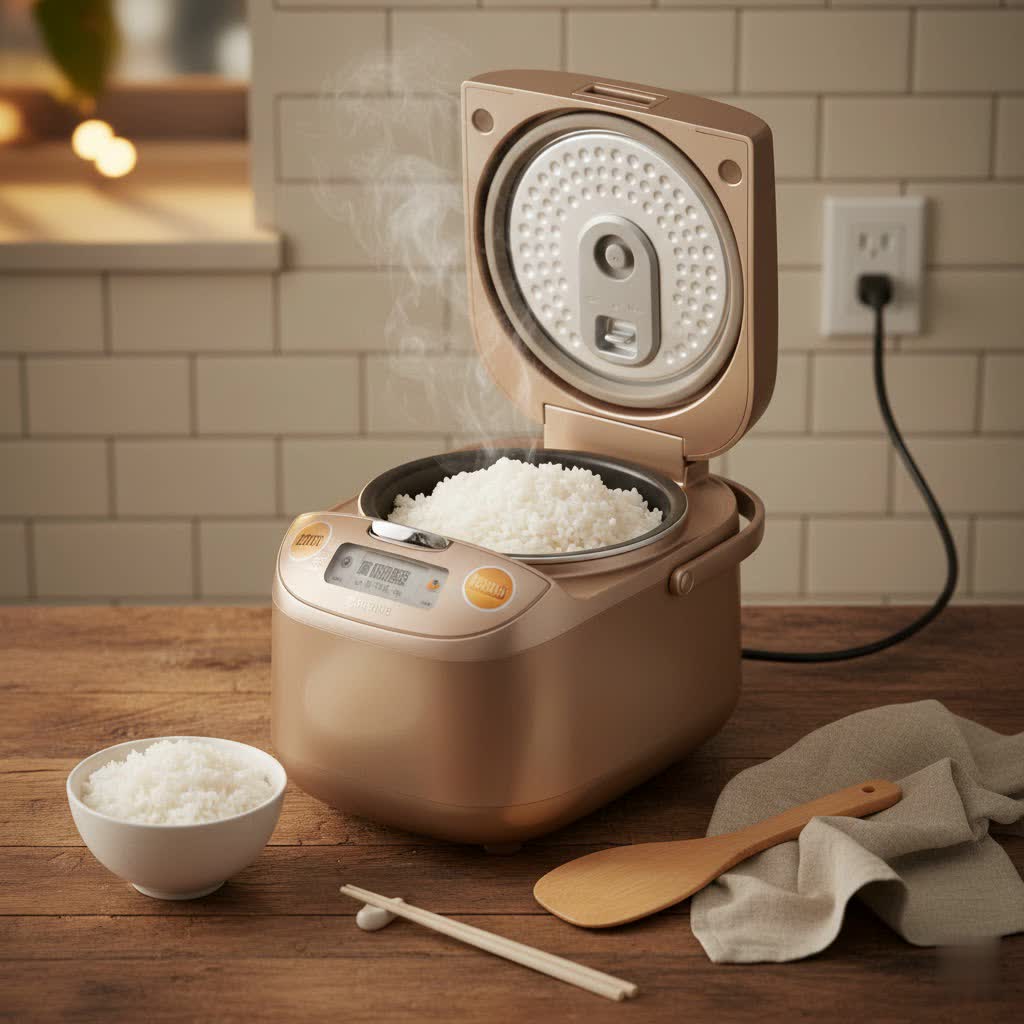
Understanding the Midea Digital Rice Cooker
Midea has carved a niche in the appliance market by providing reliable and affordable products that often stand shoulder-to-shoulder with more premium brands in terms of core functionality. Their digital rice cookers are at the forefront of this philosophy, offering a blend of intuitive design and advanced cooking technology. These appliances leverage digital controls and often Fuzzy Logic to precisely manage temperature and cooking time, ensuring consistent, perfectly cooked grains every time. Beyond just rice, these multi-functional units expand your culinary possibilities, making them a valuable asset for any kitchen, from compact apartments to busy family homes.
Types of Rice Cookers: Midea’s Digital Edge
When exploring rice cookers, it’s helpful to understand the different technologies available, with Midea offering strong contenders in the digital arena.
Basic (Mechanical) Rice Cookers
Table is empty.These are the most straightforward, typically featuring a simple switch to cook and then keep warm. While inexpensive and durable, they lack precise temperature control and offer limited cooking options. Midea provides basic models for those seeking a no-frills option for infrequent rice cooking.
Microcomputer (Digital) Rice Cookers
Midea’s digital models, including the 8-in-1 versions, fall into this category. They come with multiple menu settings for different rice types (e.g., white, brown, sushi, porridge), often incorporating a delay timer and better heat distribution. This type is ideal for families or frequent users who need versatility beyond plain rice.
Fuzzy Logic Rice Cookers
Many of Midea’s advanced digital rice cookers feature Fuzzy Logic technology. This intelligent system automatically adjusts cooking time and temperature based on the amount of rice and water, as well as ambient conditions. It ensures optimal rice texture and consistency across various grain varieties, making it perfect for users who prioritize perfect results every time.
Multi-Functional Pressure Rice Cookers
While primarily known for rice cookers, Midea also offers multi-functional pressure cookers that combine pressure cooking with rice functions, allowing for faster cooking times and the ability to make soups, stews, and other dishes. These models typically have a larger footprint and a steeper learning curve but offer immense versatility for comprehensive meal prep.
Key Features of the Midea 8-in-1 Digital Rice Cooker
The “8-in-1” designation typically refers to a suite of versatile cooking programs that elevate the appliance beyond a simple rice maker. Here are the standout features you can expect:
- Diverse Cooking Programs: A Midea Digital Rice Cooker commonly includes preset functions such as Quick Rice, White Rice, Brown Rice, Mixed Grain, Congee, Soup, Oatmeal, and Steam. Some models may extend this range to include settings for Gruel, Cake, Slow Cook, or even Yogurt, offering substantial culinary flexibility.
- Fuzzy Logic Technology: This intelligent system is a hallmark of Midea’s digital cookers. It intuitively adjusts to the rice type and quantity, optimizing temperature and cooking time through different phases to achieve perfectly fluffy, consistent results without guesswork.
- Optimal Capacity: Midea offers various capacities, with common models around 3 liters (approximately 6 cups uncooked rice, yielding 12 cups cooked). This size is generally ideal for small to medium-sized families (2-4 people). Smaller 1.2L options suit individuals or couples, while larger 5-6L models cater to bigger households.
- High-Quality Inner Pot: Most Midea digital rice cookers feature a non-stick inner pot, often with a multi-layer design (e.g., 2.0mm or 2.1mm thick). These pots are excellent heat conductors, ensuring even cooking, and the non-stick coating makes cleanup remarkably easy. Some even boast a honeycomb texture for enhanced heat distribution.
- Intuitive Digital Control Panel: An easy-to-read LED display and user-friendly buttons simplify operation. You can effortlessly select cooking programs, set timers, and monitor the cooking progress.
- 24-Hour Delay Timer: This convenient feature allows you to prepare ingredients hours in advance and set the cooker to start at a later time. Imagine waking up to freshly cooked oatmeal or returning home to perfectly steamed rice.
- Automatic Keep-Warm Function: Once cooking is complete, the cooker automatically switches to a keep-warm mode, maintaining your food at an ideal serving temperature for an extended period without overcooking or drying it out.
- Included Accessories: Typically, Midea digital rice cookers come with a measuring cup, rice scoop, soup spoon, and a steam tray, providing everything you need to get started.
- Compact and Modern Design: Midea appliances often feature a sleek, compact design with brushed stainless steel exteriors that complement any kitchen decor. Removable inner lids and steam vents further enhance hygiene and ease of cleaning.
Factors to Consider When Buying a Midea Digital Rice Cooker
Choosing the right digital rice cooker involves balancing features with your specific needs. Here’s what to look for:
- Capacity: Determine your household size. A 3-5 cup uncooked capacity (approx. 1.2L-1.8L) is suitable for 1-2 people, while 6-10 cups (2.8L-5L) are better for families of 3-5.
- Inner Pot Material: Prioritize multi-layer non-stick or ceramic-coated pots for durability, even heating, and effortless cleaning. Look for reinforced layers to resist scratching.
- Cooking Functions: Beyond basic rice, consider which additional programs (e.g., steam, slow cook, porridge, cake) are important for your cooking habits.
- Brand and Price: Midea offers a compelling balance of features and affordability. Compare their models within your budget.
- Ease of Cleaning: Models with removable inner lids and condensation collectors significantly simplify maintenance and prevent odor buildup.
Midea Digital Rice Cooker Performance: Pros and Cons
Like any appliance, Midea digital rice cookers come with their own set of advantages and limitations.
Pros:
- Exceptional Value for Money: Midea consistently delivers a feature-rich experience at a more accessible price point than many premium brands.
- Versatility: The 8-in-1 (or more) functions mean you’re getting a multi-cooker capable of preparing a wide array of dishes beyond just rice.
- Consistent Results: Fuzzy Logic technology ensures rice is cooked evenly and to the perfect texture every time.
- User-Friendly: Digital controls, clear displays, and intuitive presets make Midea rice cookers easy to operate, even for beginners.
- Energy-Efficient: Optimized heating elements contribute to lower power consumption, making them cost-effective for daily use.
- Compact Design: Many models are designed with small kitchens and limited countertop space in mind.
- Automatic Keep-Warm & Delay Timer: These features add significant convenience to meal planning and serving.
Cons:
- Capacity Limitations: Smaller models might not be sufficient for very large families or entertaining big groups.
- Fewer Customization Options: While offering many presets, some very high-end rice cookers might provide more granular control for advanced users.
- Build Quality Variation: While generally reliable, some lower-cost models might incorporate plastic components that feel less premium than those found in top-tier brands, and non-stick coatings, like all brands, can wear over time with heavy use.
- Limited Smart Connectivity: Midea digital rice cookers typically do not offer app control or Wi-Fi integration, focusing instead on core cooking performance.
Midea vs. Top Brands: Zojirushi, Cuckoo, Tiger, Panasonic
When stacked against industry giants like Zojirushi, Cuckoo, Tiger, and Panasonic, Midea positions itself as an excellent value alternative. Premium brands often boast advanced Induction Heating (IH) technology (though some Midea models now incorporate IH), superior build materials, and a reputation for unparalleled rice perfection. However, these benefits come with a significantly higher price tag.
Midea’s digital rice cookers, especially those with Fuzzy Logic and multiple cooking programs, offer a very comparable cooking experience for the average user at a fraction of the cost. While they may not have the same luxurious finishes or the absolute cutting-edge technology of their high-end counterparts, Midea excels in delivering dependable performance, versatility, and ease of use, making them a “frugal alternative” that doesn’t compromise on essential functionality. For many homes, the incremental benefits of a top-tier brand may not justify the considerable investment, making Midea a smart choice.
Using and Maintaining Your Midea Digital Rice Cooker
To get the best performance and ensure the longevity of your Midea Digital Rice Cooker, follow these simple guidelines:
How to Cook Perfect Rice
- Rinse Rice: Always rinse your rice thoroughly under cold water until the water runs clear. This removes excess starch, preventing stickiness and improving texture.
- Measure Accurately: Use the provided measuring cup for rice and follow the recommended water-to-rice ratios in the instruction manual for your specific grain type.
- Select Program: Choose the appropriate preset function (e.g., “White Rice,” “Brown Rice”) from the digital control panel.
- Avoid Opening Lid: Resist the urge to lift the lid during cooking, as this releases steam and heat, affecting the cooking process.
- Fluff and Serve: Once the cooking cycle is complete and the cooker has switched to “Keep Warm” for a few minutes, gently fluff the rice with the included paddle before serving.
Cleaning and Maintenance
- Unplug and Cool: Always unplug the rice cooker and allow it to cool completely before cleaning.
- Wash Inner Pot: Hand wash the non-stick inner pot with a soft sponge and mild dish soap. Avoid abrasive scrubbers or harsh detergents that can damage the non-stick coating.
- Clean Inner Lid and Steam Vent: If removable, detach the inner lid and steam vent for thorough washing. For non-removable lids, wipe gently with a damp cloth. Clean these components weekly to prevent blockages and odors.
- Wipe Exterior: Clean the exterior of the cooker with a damp cloth. Never immerse the main unit or power cord in water.
- Check for Damage: Regularly inspect the inner pot for any signs of peeling or scratching in the non-stick coating. Replace if significantly damaged to maintain performance.
Troubleshooting Common Issues
- Rice Sticking to Bottom: This can often be remedied by adjusting the water-to-rice ratio, ensuring thorough rinsing of the rice, or if the non-stick coating is old or damaged, replacing the inner pot.
- Rice is Too Dry/Mushy: Fine-tune your water-to-rice ratio for future cooks. Different rice varieties require different amounts of water.
Tips for Choosing the Right Midea Digital Rice Cooker for Your Family Needs
Selecting the ideal Midea digital rice cooker means matching its capabilities to your lifestyle.
- Determine Your Household Size: Small households (1-2 people) will find a 1.2L to 1.8L model efficient, while larger families (3-5+ people) should opt for 2.8L to 5L capacity.
- Identify Essential Functions: Consider if you primarily need perfect rice, or if you’ll regularly use steaming, porridge, slow cook, or other specialty programs. The “8-in-1” or more versatile models are great for diverse cooking.
- Curb Your Budget: Midea offers excellent options across economy to mid-tier price points. Decide on your spending limit and look for the best feature set within that range. A mid-range digital model often provides the best balance of features and value.
Finding the Best Deals: Midea Digital Rice Cooker Pricing
Midea digital rice cookers are positioned to offer excellent value. Basic digital models typically range from $35-$60, while more advanced Fuzzy Logic or multi-cooker versions can be found between $60-$90. Prices can vary based on capacity, specific features, and retailer. To secure the best deals, keep an eye out for seasonal sales events like Black Friday, Prime Day, or end-of-year clearances, which often provide discounts of 15-30%. Always compare features per dollar rather than just the lowest price to ensure you’re getting long-term utility.
Buying Online Safely and Effectively
When purchasing your Midea Digital Rice Cooker online, prioritize safety and efficiency to ensure a positive experience:
- Choose Reputable Vendors: Buy from authorized dealers such as Amazon, Walmart, or Midea’s official website to guarantee authenticity and access warranty services.
- Verify Product Information: Double-check specifications like capacity, functions, and power rating to ensure they match your requirements.
- Read Reviews: Pay close attention to genuine user feedback regarding durability, ease of cleaning, and consistent performance. Look for recurring comments on pros and cons.
- Understand Warranty and Return Policies: Familiarize yourself with the seller’s return policy and Midea’s warranty terms (typically 1 year for most models) before making a purchase. Retain your proof of purchase for any future service claims.
Conclusion
The Midea Digital Rice Cooker with its 8-in-1 functions presents a compelling option for anyone seeking a versatile, reliable, and cost-effective kitchen appliance. Its intelligent Fuzzy Logic technology, combined with a host of preset cooking programs, ensures consistent and effortless meal preparation, from perfectly fluffy rice to comforting soups and steamed vegetables. While it may not carry the premium badge of some competitors, Midea delivers exceptional value, making advanced cooking accessible to every home. By considering your household size, desired functions, and budget, you can confidently select a Midea Digital Rice Cooker that will serve as a hardworking, indispensable tool in your culinary adventures.
Ready to elevate your cooking game? Which Midea Digital Rice Cooker feature excites you the most for your next meal?
Frequently Asked Questions
What are the typical 8-in-1 functions of a Midea Digital Rice Cooker?
Common functions usually include Quick Rice, White Rice, Brown Rice, Mixed Grain, Congee, Soup, Oatmeal, and Steam. Some models may offer even more specialized programs like Gruel, Cake, Slow Cook, or Yogurt, providing broad culinary flexibility.
Is a Midea Digital Rice Cooker suitable for a large family?
Midea offers various capacities. For large families (5+ people), it’s recommended to choose models with a larger uncooked capacity, typically 5 liters (10 cups) or more, to ensure sufficient servings for everyone.
How does Midea’s Fuzzy Logic technology work?
Fuzzy Logic is an advanced microcomputer control system that senses the amount of rice and water in the pot, adjusting cooking temperature and time automatically throughout different phases. This ensures optimal heat distribution and perfect texture for various types of rice without manual intervention.
Can I cook more than just rice in a Midea Digital Rice Cooker?
Absolutely. Most Midea digital models are multi-functional, designed to handle a variety of cooking tasks. Beyond different rice types, you can typically prepare porridge, oatmeal, soups, stews, steamed vegetables (using the included tray), and even bake cakes.
How do I maintain the non-stick inner pot of my Midea rice cooker?
To maintain the non-stick coating, always hand wash the inner pot with a soft sponge and mild dish soap. Avoid using abrasive scrubbers or harsh chemicals. Ensure the pot is thoroughly dried before storing. Regularly check for any signs of damage or peeling in the coating.
How does Midea compare to premium rice cooker brands?
Midea Rice Cookers offer excellent functionality and consistent performance at a more budget-friendly price point. While premium brands like Zojirushi or Cuckoo might feature slightly more advanced technology or luxurious build materials, Midea provides a highly capable and versatile alternative that delivers great results for everyday home cooking without a significant investment.