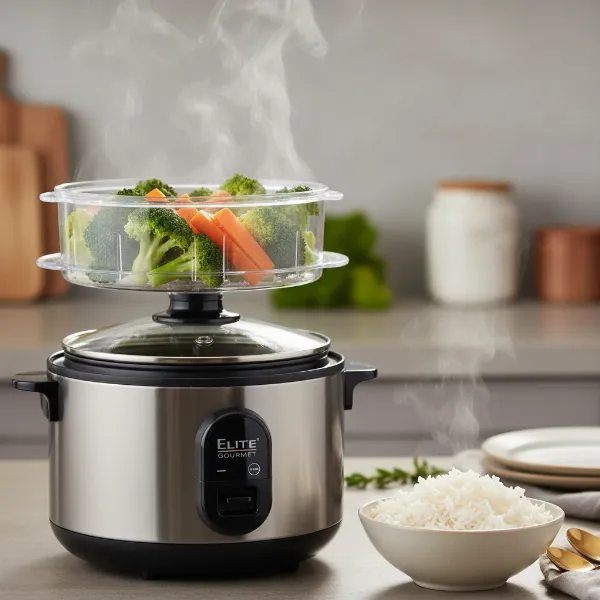
In the fast-paced world of professional kitchens, efficiency and consistency are paramount. For many restaurants, perfectly cooked rice is a staple, a side dish that can elevate an entree or a base that forms the foundation of an entire cuisine. Yet, consistently achieving that ideal fluffy texture in high volumes, day in and day out, can be a daunting task without the right equipment. This is where a reliable commercial rice cooker becomes an indispensable asset, transforming a potentially labor-intensive process into a seamless, automated operation. This comprehensive guide will navigate you through the world of commercial rice cookers, helping you understand the various types, crucial buying factors, top brands, and maintenance tips to ensure your kitchen serves up perfect rice every time.
Choosing the Right Commercial Rice Cooker: A Comprehensive Guide
Selecting a commercial rice cooker isn’t merely about finding a large pot that heats water. It’s an investment in your kitchen’s productivity and the quality of your dishes. Understanding the nuances of these powerful appliances is key to making an informed decision that meets your restaurant’s unique demands.
Types of Commercial Rice Cookers
The market offers several types of commercial rice cookers, each with distinct advantages suited for different operational needs.
- Standard Electric/On-Off Rice Cookers: These are the most common and straightforward models. They operate with a simple one-touch mechanism, automatically cooking rice and then switching to a “keep-warm” function once done. Ideal for kitchens needing large batches of consistently cooked rice without complex programming. They are generally reliable, user-friendly, and come in a wide range of capacities.
- Induction Heating (IH) / Fuzzy Logic Rice Cookers: Representing the more advanced end of the spectrum, these cookers utilize sophisticated technology for superior precision. Induction heating creates an even heat distribution across the entire inner pot, while fuzzy logic microprocessors make subtle adjustments to cooking temperature and time based on the rice type and quantity. This results in exceptionally consistent, perfectly textured rice, often with specialized settings for various rice grains like sushi rice, brown rice, or jasmine rice.
- Gas Rice Cookers: While less common in modern kitchens than electric models, gas rice cookers offer rapid heating and quick recovery times, making them suitable for extremely high-volume operations or locations where electrical infrastructure might be limited. They typically require professional installation and proper ventilation.
|
Our Picks for the Best Rice cooker in 2026
As an Amazon Associate I earn from qualifying purchases.
|
||
| Num | Product | Action |
|---|---|---|
| 1 | Zojirushi NS-TSC10 5-1/2-Cup (Uncooked) Micom Rice Cooker and Warmer, 1.0-Liter |

|
| 2 | Elite Gourmet Electric Rice Cooker with Steam Tray and Non-Stick Inner Pot Makes Soups, Stews, Grains, Cereals, Keep Warm Feature, 6 Cups Cooked (3 Cups Uncooked), Black |
|
| 3 | Aroma Housewares ARC-994SB Rice & Grain Cooker Slow Cook, Steam, Oatmeal, Risotto, 8-cup cooked/4-cup uncooked/2Qt, Stainless Steel |
|
| 4 | Dash Mini Ceramic Rice Cooker - Designed for Single-Serve Cooking - Compact Rice Cooker with Nonstick Removable Pot, Keep Warm Function & Easy-to-Clean Sleek Design - Black Ceramic |
|
| 5 | GreenLife Rice Cooker with Removable PFAS-Free Ceramic Nonstick Pot, 3-Cups Uncooked/6-Cups Cooked, Grains & Oatmeal Multicooker, Compact One-Switch Design, Auto Keep Warm, Easy Clean, Cream |
|
| 6 | Aroma Housewares Professional Plus ARC-5000SB 20 Cup (Cooked) Digital Rice Cooker, Food Steamer, Slow Cooker, Stainless Exterior/Nonstick Pot, Silver, Black, 10-cup uncooked/20-cup cooked/4QT |
|
| 7 | Elite Gourmet ERC006SS 6-Cup Electric Rice Cooker with Stainless Steel Inner Pot, Makes Soups, Stews, Porridges, Grains and Cereals, 6 cup (3 cups uncooked), Black |
|
| 8 | AROMA® Rice Cooker, 3-Cup (Uncooked) / 6-Cup (Cooked), Small Rice Cooker, Oatmeal Cooker, Soup Maker, Auto Keep Warm, 1.5 Qt, White, ARC-363NG |
|
| 9 | BLACK+DECKER 16-Cup Rice Cooker, RC516, 8-Cup Uncooked Rice, Steaming Basket, Removable Non-Stick Bowl, One Touch |
|
| 10 | COSORI Rice Cooker 10 Cup, 24h Keep Warm, Non-stick Ceramic Inner Pot, 18 Functions Fuzzy Logic Rice Maker with Stainless Steel Steamer Basket, Sauté, Slow Cooker, Black |
|
Key Factors When Buying a Commercial Rice Cooker
Making the best choice requires careful consideration of several critical factors that impact performance, durability, and operational efficiency.
Capacity
The capacity of your rice cooker is arguably the most important decision. Commercial models are typically measured in “uncooked” cup capacity, which roughly doubles when cooked. For instance, a 20-cup uncooked capacity yields approximately 40 cups of cooked rice.
- Assess Your Needs: Calculate the maximum amount of cooked rice your restaurant serves during its busiest hours. Always factor in a buffer to avoid running out during peak service.
- Common Capacities: Commercial rice cookers range widely, from 20-cup (uncooked, 40 cooked) for smaller establishments to 60-cup (uncooked, 120 cooked) or even larger units for high-volume restaurants and catering services.
Build Quality and Durability
Commercial kitchens are demanding environments, and your equipment must withstand constant use.
- Materials: Look for heavy-duty construction, typically featuring a stainless steel exterior for longevity, ease of cleaning, and an attractive, professional appearance.
- Inner Pot: The inner pot is crucial. Heavy-gauge non-stick or durable stainless steel pots prevent rice from sticking, ensure even heating, and simplify cleanup. Removable parts are a significant advantage for maintenance.
Keep-Warm Functionality
An automatic keep-warm function is essential for commercial settings. This feature maintains the rice at an ideal serving temperature for hours without drying it out, burning the bottom, or compromising its texture. This allows kitchen staff to prepare rice in advance, freeing them for other tasks during peak service.
Ease of Use and Cleaning
In a busy kitchen, every minute counts.
- Intuitive Controls: Simple, one-touch operation or clear digital interfaces are highly valued, allowing staff to operate the cooker efficiently with minimal training.
- Hassle-Free Cleaning: Non-stick inner pots, removable inner lids, and condensation collectors greatly simplify the cleaning process, ensuring hygiene standards are met quickly.
Cooking Versatility and Features
Modern commercial rice cookers offer more than just basic cooking.
- Multiple Rice Settings: Advanced models often include specific settings for different rice varieties (e.g., white, brown, sushi, mixed grains), optimizing cooking cycles for perfect results.
- Digital Controls and Timers: These provide precise control over cooking, allowing for scheduled batches and fine-tuning.
- Safety Features: Automatic shut-off, temperature control, thermal fuses, and heat-insulated handles are vital for preventing accidents and protecting your investment.
Energy Efficiency and Electrical Requirements
Consider the long-term operating costs. An energy-efficient model can lead to significant savings. Also, commercial rice cookers often draw more power than residential units. Ensure your kitchen’s electrical outlets can handle the load, especially for high-capacity models that might require 208V/240V circuits.
Certifications
For commercial equipment, look for certifications like NSF (National Sanitation Foundation). This ensures the unit meets stringent health and safety standards for foodservice, guaranteeing it’s easy to clean and built with food-safe materials, which is crucial for health inspections.
Top Commercial Rice Cooker Brands
Several brands have established themselves as leaders in the commercial rice cooker market, known for their reliability, performance, and durability.
- Zojirushi: Often considered the gold standard, Zojirushi is renowned for innovative technology, precision engineering, and long-lasting products. Their commercial models are favorites among chefs for their consistent results and advanced features.
- Panasonic: A trusted name in electronics, Panasonic’s commercial rice cookers are built for heavy-duty use, offering robust construction and consistent cooking with minimal supervision.
- Cuckoo: Hailing from South Korea, Cuckoo specializes in rice cookers, including high-capacity commercial units known for efficiency, ease of use, and meeting high safety standards.
- Hamilton Beach Commercial: A reliable brand providing user-friendly solutions for commercial kitchens, their rice cookers are known for efficiency and straightforward operation.
- Aroma Housewares: Aroma offers commercial rice cookers that balance functionality and affordability, often popular for catering and banquet services due to their high capacity.
- Tiger: Another Japanese brand, Tiger is celebrated for combining innovative technology with traditional rice cooking wisdom, ensuring perfectly textured rice.
Detailed Comparison of Top Commercial Rice Cooker Models
Here’s a comparison of some popular commercial rice cooker models, highlighting their key features and suitability for different restaurant needs:
| Model | Uncooked Capacity | Cooked Capacity (Approx.) | Key Features | Inner Pot Material | Ideal For |
|---|---|---|---|---|---|
| Zojirushi NYC-36 | 20 cups | 40 cups | Triple-heater system, automatic keep-warm, durable stainless steel. | Non-stick | High-volume restaurants, catering, busy events seeking consistency. |
| Panasonic SR-42HZP | 23 cups | 46 cups | One-touch operation, fast & even heating, automatic shut-off. | Large Aluminum, non-stick | Restaurants, food trucks, buffets needing robust, frequent use. |
| Cuckoo CR-3055 | 30 cups | 60 cups | High capacity, simple switch operation, cETLus & FCC certified. | Durable non-stick | Large events, hospitality services, daily banquet use. |
| Aroma ARC-1130S | 30 cups | 60 cups | High capacity, automatic keep-warm, energy-efficient. | Non-stick | Catering events, banquet services, large-scale operations on a budget. |
| Hamilton Beach 37590 | 30 cups | 60 cups | Simple, efficient, non-stick pot, dual heat settings, removable lid. | Non-stick | Cafeterias, busy restaurants prioritizing ease of use and durability. |
| Winco RC-S300P | 30 cups | 60 cups | Stainless steel body, automatic keep-warm, affordable. | Non-stick | Restaurants seeking an effective, reliable, budget-friendly option. |
Using and Maintaining Your Commercial Rice Cooker
Proper use and regular maintenance will significantly extend the lifespan of your commercial rice cooker and ensure consistent results.
How to Cook Perfect Rice Every Time
- Measure Accurately: Use the provided measuring cup for precise rice-to-water ratios. Consistency in measurement is crucial for predictable results.
- Rinse Rice: Rinse rice thoroughly under cold water until the water runs clear. This removes excess starch, preventing sticky or gummy rice.
- Add Water: Follow the manufacturer’s recommendations for water levels. Some pots have internal markings.
- Avoid Overfilling: Never exceed the maximum capacity to ensure even cooking and prevent overflowing.
- Use Keep-Warm: Once cooked, allow the rice cooker to automatically switch to its keep-warm function. Fluff the rice gently with a spatula after a few minutes to release steam.
Cleaning and Care for Longevity
- Daily Cleaning: After each use, remove the inner pot and wash it with warm, soapy water. For non-stick pots, use a soft sponge to avoid scratching. Clean the inner lid and any condensation collectors.
- Weekly Maintenance: Wipe down the heating plate inside the cooker with a damp cloth to remove any starch residue or spills. Ensure the exterior is clean and dry.
- Avoid Abrasives: Do not use abrasive cleaners or scourers on the inner pot, especially if it’s non-stick, as this can damage the coating.
Tips for Selecting the Ideal Commercial Rice Cooker for Your Business
Making the final decision involves aligning the cooker’s features with your operational realities.
- Determine Your Daily Demand: How much rice do you serve on your busiest day? This will dictate the minimum capacity you need. Remember to account for peak hours and potential growth.
- Consider Your Menu Diversity: If you offer multiple types of rice (e.g., sushi rice, brown rice, jasmine), an advanced model with specific settings or superior precision (like IH/Fuzzy Logic) might be a better investment. For a single type of rice, a simpler electric model may suffice.
- Evaluate Kitchen Space and Power: Measure your available counter space and ensure adequate electrical outlets. High-capacity units might require dedicated high-voltage circuits.
- Consider Your Budget: While initial cost is a factor, consider the long-term value. A more durable, energy-efficient model with excellent performance might have a higher upfront price but offer significant savings and better quality over its lifespan.
Commercial Rice Cookers by Price Segment
Commercial rice cookers are available across a spectrum of price points, catering to various budgets and operational scales.
- Budget-Friendly Options: These models, often from brands like Winco or some Aroma Housewares series, provide reliable basic functionality for cooking and keeping warm. They are suitable for smaller restaurants or those with less frequent, high-volume rice needs. Expect capacities typically around 20-30 uncooked cups with straightforward controls.
- Mid-Range Workhorses: Brands like Hamilton Beach Commercial and many Panasonic models fall into this category. These cookers offer enhanced durability, consistent performance, and often a few more features like improved non-stick coatings and more robust automatic keep-warm functions. They are an excellent balance of price and performance for most busy restaurants. Capacities commonly range from 20-40 uncooked cups.
- Premium Models: Zojirushi and high-end Cuckoo or Tiger models represent the premium segment. These cookers boast advanced technologies like induction heating or fuzzy logic, offering unparalleled precision, versatility for various rice types, and exceptional durability. They typically come with higher capacities (30-60+ uncooked cups) and are ideal for restaurants where rice quality is a signature element or where very high, continuous demand necessitates the best possible performance and longevity.
Buying Commercial Rice Cookers Online: A Smart Approach
Purchasing commercial kitchen equipment online can offer a wider selection and competitive pricing, but it requires diligence.
- Choose Reputable Suppliers: Opt for established restaurant supply stores or authorized dealers with a strong track record and positive reviews.
- Verify Product Information: Double-check specifications, capacity, power requirements, and certifications (especially NSF) against your needs before purchasing. Product images can sometimes be misleading; rely on detailed descriptions.
- Review Warranty and Return Policies: Understand the manufacturer’s warranty and the retailer’s return policy. Commercial equipment typically has different warranty terms than residential, and ensuring clear post-purchase support is crucial.
Conclusion
The right commercial rice cooker is more than just another kitchen appliance; it’s a strategic investment that streamlines operations, ensures consistent food quality, and ultimately contributes to customer satisfaction. By carefully considering capacity, durability, features, and brand reputation, you can select a model that perfectly aligns with your restaurant’s specific demands. Whether you opt for a straightforward workhorse or a high-tech precision cooker, choosing wisely means empowering your kitchen to deliver perfectly cooked rice, every single time.
What specific rice varieties are most critical to your restaurant’s menu, and how might that influence your commercial rice cooker choice?
Frequently Asked Questions
What is the difference between a commercial and a residential rice cooker?
Commercial rice cookers are designed for heavy-duty, continuous use in professional kitchens, featuring larger capacities (often 20+ uncooked cups), more durable construction, faster cooking times, and robust keep-warm functions. Residential models are built for occasional home use, with smaller capacities and lighter components. Commercial units also typically require specific certifications like NSF for health and safety standards.
How do I determine the right capacity for my restaurant?
To determine the ideal capacity, calculate the maximum amount of cooked rice your restaurant serves during its busiest periods. Remember that uncooked rice roughly doubles in volume when cooked. It’s always wise to choose a capacity slightly larger than your peak demand to ensure you never run out and to provide a buffer for unexpected rushes.
Are non-stick inner pots durable enough for commercial use?
Yes, many commercial rice cookers feature heavy-duty non-stick inner pots specifically designed to withstand the rigors of a professional kitchen. These coatings are more robust than those found in residential models, offering excellent longevity when properly cleaned and maintained with non-abrasive utensils. Stainless steel pots are also an option for maximum durability.