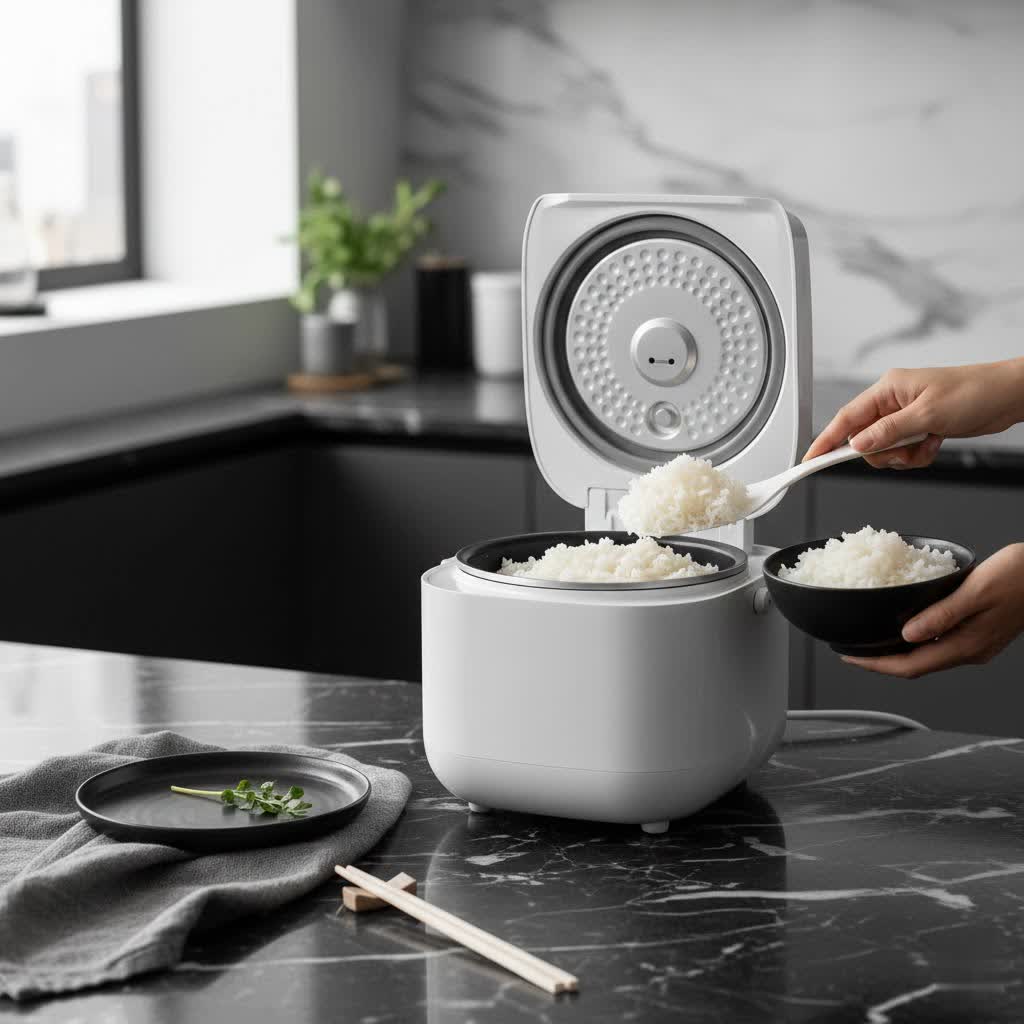
Choosing the perfect rice cooker can transform your daily meals, elevating a simple staple to culinary perfection. In the realm of high-end rice cookers, two brands consistently dominate the conversation: Zojirushi from Japan and Cuckoo from South Korea. Both are lauded for their advanced technology and ability to deliver consistently excellent rice, yet they cater to slightly different preferences and cooking styles. Understanding their unique strengths and weaknesses is key to selecting the ideal “grain guardian” for your kitchen.
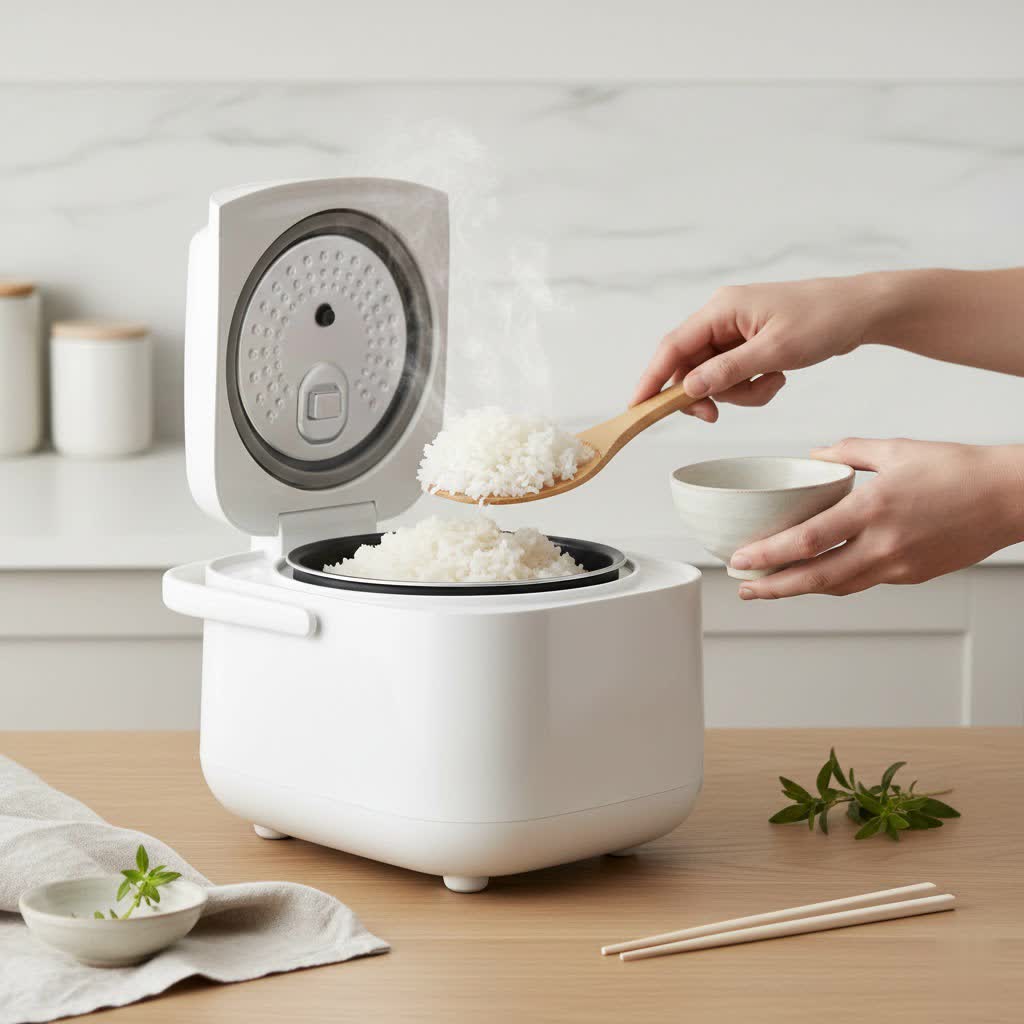
Choosing the Right Rice Cooker: A Comprehensive Guide
Deciding between a Cuckoo and a Zojirushi rice cooker involves more than just brand loyalty; it’s about matching technology, features, and design to your specific culinary needs and lifestyle. Each brand brings a distinct philosophy to rice cooking, from slow, precise perfection to speedy, versatile pressure cooking.
Popular Rice Cooker Types: Understanding the Technology
The core technology behind a rice cooker significantly impacts its performance, speed, and the texture of the cooked rice. Both Cuckoo and Zojirushi leverage advanced systems, but with different primary approaches.
- Micom (Micro-computerized) Rice Cookers: These utilize “fuzzy logic” technology, an artificial intelligence system that makes automatic adjustments to cooking time and temperature. Zojirushi is well-known for its Micom models, which meticulously control the cooking process to achieve optimal results for various rice types. This technology allows the cooker to “think” and adapt, ensuring consistency regardless of minor variations in rice quantity or water.
- Induction Heating (IH) Rice Cookers: IH technology creates magnetic fields that heat the entire inner pot, rather than just the bottom element. This ensures incredibly even heat distribution, leading to perfectly cooked grains every time. Many premium Zojirushi models incorporate IH, contributing to their reputation for precision. Some Cuckoo models also feature IH, especially their high-end offerings.
- Pressure Rice Cookers: Cuckoo specializes in pressure cooking technology, which cooks rice under high pressure and temperature. This method dramatically reduces cooking times and results in a moister, chewier, and often stickier rice texture. Cuckoo’s advanced “Twin Pressure” models offer the flexibility to switch between high-pressure and non-pressure cooking, catering to a wider range of rice preferences. While Zojirushi also has some pressure cooker models, it’s a hallmark feature for Cuckoo.
|
Our Picks for the Best Rice cooker in 2026
As an Amazon Associate I earn from qualifying purchases.
|
||
| Num | Product | Action |
|---|---|---|
| 1 | Dash Mini Ceramic Rice Cooker - Designed for Single-Serve Cooking - Compact Rice Cooker with Nonstick Removable Pot, Keep Warm Function & Easy-to-Clean Sleek Design - Black Ceramic |

|
| 2 | GreenLife Rice Cooker with Removable PFAS-Free Ceramic Nonstick Pot, 3-Cups Uncooked/6-Cups Cooked, Grains & Oatmeal Multicooker, Compact One-Switch Design, Auto Keep Warm, Easy Clean, Cream |
|
| 3 | BLACK+DECKER 16-Cup Rice Cooker, RC516, 8-Cup Uncooked Rice, Steaming Basket, Removable Non-Stick Bowl, One Touch |
|
| 4 | Zojirushi NS-TSC10 5-1/2-Cup (Uncooked) Micom Rice Cooker and Warmer, 1.0-Liter |
|
| 5 | Elite Gourmet ERC006SS 6-Cup Electric Rice Cooker with Stainless Steel Inner Pot, Makes Soups, Stews, Porridges, Grains and Cereals, 6 cup (3 cups uncooked), Black |
|
| 6 | AROMA® Rice Cooker, 3-Cup (Uncooked) / 6-Cup (Cooked), Small Rice Cooker, Oatmeal Cooker, Soup Maker, Auto Keep Warm, 1.5 Qt, White, ARC-363NG |
|
| 7 | Elite Gourmet Electric Rice Cooker with Steam Tray and Non-Stick Inner Pot Makes Soups, Stews, Grains, Cereals, Keep Warm Feature, 6 Cups Cooked (3 Cups Uncooked), Black |
|
| 8 | Aroma Housewares ARC-994SB Rice & Grain Cooker Slow Cook, Steam, Oatmeal, Risotto, 8-cup cooked/4-cup uncooked/2Qt, Stainless Steel |
|
| 9 | COSORI Rice Cooker 10 Cup, 24h Keep Warm, Non-stick Ceramic Inner Pot, 18 Functions Fuzzy Logic Rice Maker with Stainless Steel Steamer Basket, Sauté, Slow Cooker, Black |
|
| 10 | Aroma Housewares Professional Plus ARC-5000SB 20 Cup (Cooked) Digital Rice Cooker, Food Steamer, Slow Cooker, Stainless Exterior/Nonstick Pot, Silver, Black, 10-cup uncooked/20-cup cooked/4QT |
|
Factors to Consider When Buying a Rice Cooker
When comparing these two titans, several factors come into play, influencing both performance and user experience.
- Capacity: Both brands offer a range of sizes, typically from 3-cup (6-cup cooked) to 10-cup (20-cup cooked). Zojirushi offers larger 10-cup options ideal for big families or meal prepping, while Cuckoo’s most popular sizes are often up to 6-cup uncooked.
- Inner Pot Material: Both brands use high-quality, non-stick inner pots, often made from aluminum alloy with durable PTFE or ceramic coatings. Zojirushi’s pots often feature clear, easy-to-read water markings, while Cuckoo’s heavy-gauge pots are built for longevity.
- Cooking Functions: Zojirushi offers dedicated settings for various rice types like white, brown, sushi, mixed, and porridge, focusing on precise texture. Cuckoo often boasts a wider array of functions, including various rice types, steaming, soup, stew, and even slow cooking, often with 16+ preset modes.
- Brand and Price: Zojirushi generally positions itself in the premium segment, reflecting its advanced technology and Japanese craftsmanship. Cuckoo offers a broader price range, often providing a more feature-rich experience at a comparatively lower price point, especially in its mid-range models.
Top Rice Cooker Brands: Zojirushi vs. Cuckoo
Both Zojirushi and Cuckoo have cultivated strong reputations, each with a distinct heritage and approach.
- Zojirushi: Hailing from Japan, Zojirushi is celebrated for its meticulous engineering and unwavering commitment to producing consistently perfect rice. Their fuzzy logic technology and IH heating ensure precise temperature control, making them a favorite among those who prioritize impeccable texture for specific rice varieties like Japanese short-grain and sushi rice. Many users attest to their exceptional durability, with models lasting over a decade.
- Cuckoo: As a leading brand from South Korea, Cuckoo is known for its robust features and innovative pressure cooking technology. Cuckoo rice cookers are designed for speed and versatility, often excelling at sticky rice, mixed grains, and offering a multitude of cooking functions beyond just rice. They are also recognized for modern aesthetics, often featuring voice navigation and self-cleaning functions.
“Zojirushi appeals to the purist seeking consistent, fluffy grains, while Cuckoo captures the heart of those desiring speed, versatility, and a chewier, stickier rice texture.” – Rice Appliance Expert, Culinary Tech Reviews
Detailed Comparison: Key Features and Performance
Let’s dive deeper into how these two brands stack up across critical performance and design elements.
| Feature / Aspect | Zojirushi (e.g., NS-ZCC10) | Cuckoo (e.g., CR-0675FG, CRP-ST0609F) |
|---|---|---|
| Origin | Japan | South Korea |
| Core Technology | Micom (Fuzzy Logic), Induction Heating (IH) | Pressure Cooking, Micom (Fuzzy Logic), IH (premium models) |
| White Rice Cook Time (3 cups) | ~53 minutes | ~44 minutes (often faster with pressure models) |
| Brown Rice Cook Time | ~103 minutes (softer grains) | ~60 minutes (faster, may be mealier in some models) |
| Sushi Rice Quality | Excellent, perfectly separated and sticky | Good to very good, may be slightly too wet/mushy in some models |
| Sticky/Glutinous Rice | Good | Exceptional (especially pressure models) |
| Mixed Grain Rice | Good | Excellent |
| Design Aesthetics | Sleek, minimalist, often neutral colors, intuitive LCD | Bolder, industrial, modern, vibrant colors, often touchscreen/voice guide |
| Lid Mechanism | Smooth, slow-opening, won’t jolt unit | Aggressive, fast-opening, may lift unit/hit cabinets |
| Inner Pot Handles | Often heat-resistant, easy to remove | Less common, pot can be heavy |
| Water Markings | Clear, easy-to-read white lines | Engraved, can be harder to see in low light |
| Control Interface | Responsive physical buttons, clear LCD | Touchscreen (can be less responsive), voice navigation |
| Auto-Clean Function | No (manual cleaning) | Yes (steam self-clean in many models) |
| Power Cord | Often retractable, longer (e.g., 50 inches) | Fixed, shorter (e.g., 35 inches) |
| Keep-Warm Function | Excellent, maintains texture for up to 12 hours (triple heater) | Good, maintains warmth, but rice may firm up slightly over extended periods |
| Price Point | Generally premium | Wider range, often better value for features |
| Durability | Very high, known for 10-15+ year lifespan | High, robust construction, 10-15+ year lifespan |
Usage and Maintenance Guide
Proper usage and maintenance are crucial for extending the lifespan of your rice cooker and ensuring consistently delicious results.
- How to Cook Perfect Rice:
- Rinse Rice Thoroughly: Wash rice until water runs clear to remove excess starch.
- Accurate Water Measurement: Use the markings on the inner pot or a dedicated rice cup for precise water-to-rice ratios. Zojirushi’s clear markings simplify this.
- Select the Correct Mode: Utilize the specific settings for white, brown, sushi, or mixed rice. Cuckoo’s diverse modes offer extensive options.
- Allow for Resting: Once cooking is complete, let the rice rest for 5-10 minutes before fluffing and serving.
- Cleaning and Maintenance:
- Detachable Lids: Both brands feature removable inner lids, which are essential for thorough cleaning. Regularly remove and wash these parts to prevent starch buildup.
- Non-stick Pots: Hand wash the non-stick inner pot with a soft sponge and mild detergent. Avoid abrasive scrubbers that can damage the coating.
- Self-Cleaning (Cuckoo): Many Cuckoo models offer an auto-steam clean function that helps loosen starch. While convenient, a quick wipe-down afterward is still recommended. Zojirushi requires manual cleaning of its components.
- Exterior: Wipe the exterior with a damp cloth. Ensure the steam vent is clear.
- Troubleshooting Common Issues:
- Mushy Rice: Too much water or incorrect rice-to-water ratio.
- Dry/Hard Rice: Not enough water, old rice, or leaving on keep-warm for too long in some models.
- Rice Sticking: Pot coating may be damaged, or inadequate rinsing.
Tips for Choosing the Ideal Rice Cooker for Your Family
Selecting the best rice cooker depends on your household’s specific needs and culinary habits.
- Family Size: For individuals or small families (1-3 people), a 3-cup (cooked 6-cup) model is sufficient. Medium families (4-6 people) will benefit from a 5.5-cup (cooked 11-cup) or 6-cup (cooked 12-cup) model. Larger families or those who enjoy meal prepping may prefer Zojirushi’s 10-cup (cooked 20-cup) capacity.
- Cooking Preferences:
- For Perfectionists: If you prioritize flawless, consistently fluffy white rice, especially for Japanese cuisine or sushi, and don’t mind longer cooking times, Zojirushi’s fuzzy logic and IH models are a superior choice.
- For Speed and Versatility: If quick cooking is essential for busy weeknights, or if you frequently prepare sticky rice, mixed grains, or other multi-functional dishes, Cuckoo’s pressure cookers with their diverse modes offer significant advantages.
- Budget Considerations: Cuckoo generally offers a strong feature set for a slightly lower price point, providing excellent value. Zojirushi, while pricier, is often seen as a long-term investment due to its exceptional durability and consistent performance.
Price Comparison: Market Overview
Both Zojirushi and Cuckoo offer models across various price segments, though their typical ranges differ.
| Price Segment | Zojirushi | Cuckoo |
|---|---|---|
| Mid-Range | $150 – $250 (e.g., Micom models) | $100 – $250 (e.g., Micom and basic pressure models) |
| High-End | $250 – $400+ (e.g., IH and Pressure IH models) | $250 – $400+ (e.g., Twin Pressure IH models) |
Prices can vary significantly based on model, capacity, and specific features. Online retailers and electronics stores often have competitive pricing.
Top 5 Most Loved Rice Cookers Today (General Recommendation, not specific models from research)
While specific models vary in popularity, here are categories of highly-regarded options from both brands:
- Zojirushi Neuro Fuzzy Micom Rice Cooker: A classic for its consistent, fluffy rice and durable build.
- Cuckoo Twin Pressure Induction Heating Rice Cooker: Offers the best of both worlds with speed and texture control.
- Zojirushi Induction Heating System Rice Cooker: For ultimate precision and even cooking.
- Cuckoo Micom Rice Cooker with Voice Navigation: A feature-rich option providing convenience and multiple cooking modes.
- Zojirushi Micom Rice Cooker & Warmer: Excellent for families needing rice to stay warm and fresh for extended periods.
Safe and Effective Online Purchase Guide
When buying a rice cooker online, prioritize reliability and customer protection.
- Reputable Vendors: Purchase from authorized retailers or well-known e-commerce platforms like Amazon, Best Buy, or the brands’ official websites.
- Product Information: Carefully review the product description, specifications, and customer reviews. Pay attention to capacity, technology (Micom, IH, Pressure), and specific cooking functions.
- Warranty and Returns: Understand the warranty period (typically 1-2 years for both brands) and the return policy. Ensure easy access to customer support in case of issues.
Conclusion and Recommendations
The choice between a Cuckoo and a Zojirushi rice cooker ultimately hinges on your priorities. If you are a purist who values slow, precise cooking for consistently perfect, fluffy white rice and sushi rice, and appreciate a minimalist design with robust durability, a Zojirushi model is likely your best bet. Its superior design details, such as easy-to-read water markings and smooth-opening lids, enhance the user experience.
Conversely, if speed is paramount for your busy lifestyle, and you enjoy a wider variety of rice types, particularly sticky or mixed grains, along with versatile multi-cooker functions and modern conveniences like voice navigation and self-cleaning, Cuckoo offers compelling advantages. Its pressure cooking technology delivers chewy, moist rice quickly, and often provides more features for its price point.
Both brands represent an investment in culinary excellence, promising to deliver restaurant-quality rice daily for years to come. Consider your budget, kitchen space, the types of rice you consume most often, and how much you value cooking speed versus ultimate texture perfection.
Which brand will earn its permanent spot on your kitchen counter?