Have you ever wondered why some rice cookers consistently deliver perfectly fluffy grains, while others leave you with either mushy or undercooked results? The secret often lies in a sophisticated technology known as fuzzy logic. Far from a mere buzzword, fuzzy logic acts as the “brain” of smart cookers, mimicking human intuition to adapt and perfect the cooking process. This article will delve into the fascinating world of fuzzy logic, exploring how it works, its significant advantages over traditional cooking methods, and why it has become an indispensable feature in modern kitchens.
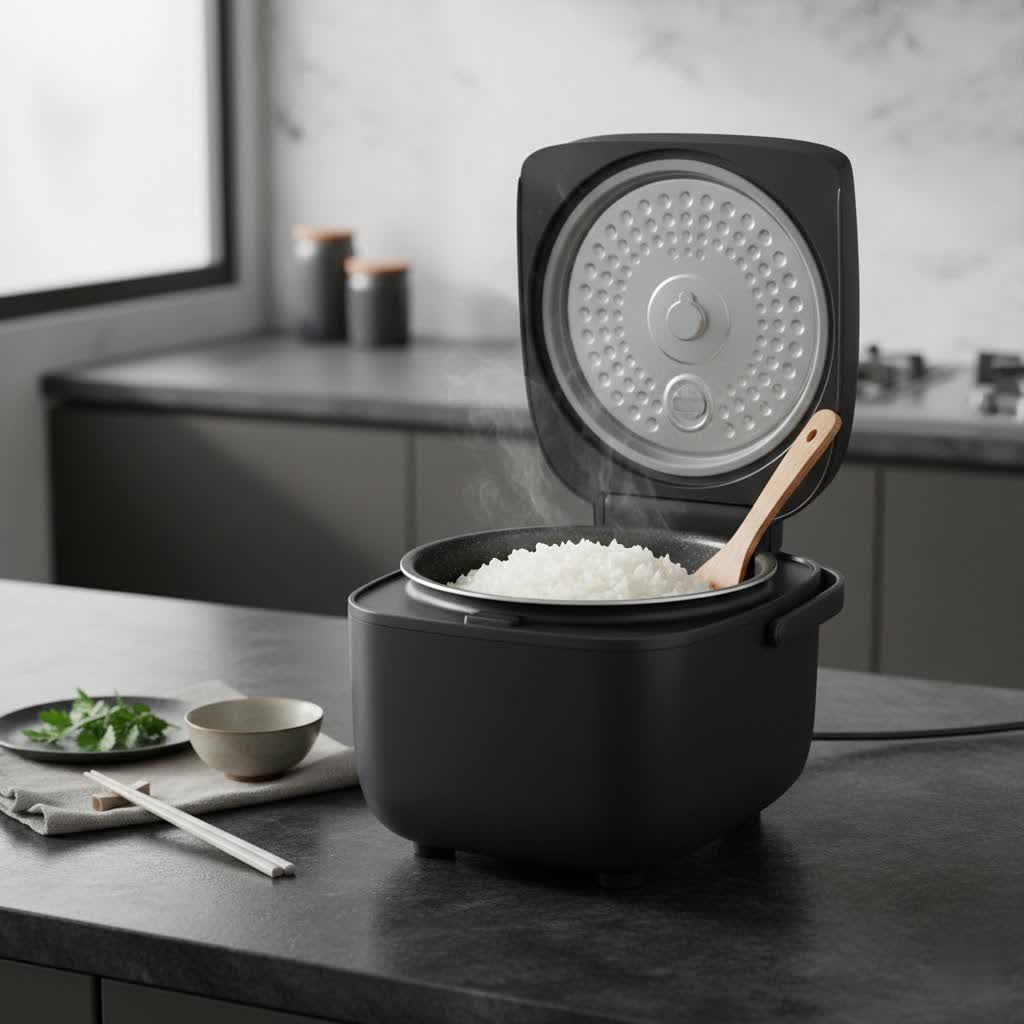
What Exactly is Fuzzy Logic?
At its core, fuzzy logic represents a revolutionary approach to programming machines, allowing them to interpret and respond to information in a more human-like, nuanced way. Unlike traditional digital systems that operate on strict binary principles (either on or off, true or false), fuzzy logic embraces “degrees of truth.” This means it can process ambiguous or imprecise data, much like we use terms such as “slightly hot” or “almost cooked.” This concept, pioneered by Professor Lotfi Zadeh in the 1960s and 70s, laid the groundwork for machines that can make judgment calls rather than rigidly following fixed parameters. In essence, fuzzy logic transforms a simple appliance into an intelligent assistant that understands the subtleties of cooking.
The Inner Workings: How Smart Cookers Utilize Fuzzy Logic
Imagine a seasoned chef, meticulously observing and adjusting a dish as it cooks, reacting to subtle changes in aroma, texture, and temperature. This is precisely what a fuzzy logic rice cooker aims to emulate through an advanced microprocessor system.
1. Sensor-Driven Data Collection: Smart cookers equipped with fuzzy logic feature an array of sensors. These sensors continuously monitor various real-time cooking variables, including:
- Ambient temperature: How hot or cold the surrounding environment is.
- Internal temperature: The temperature inside the cooking pot at multiple points.
- Moisture levels: The amount of water remaining or evaporating.
- Rice type and volume: While not directly sensed in all models, user input on rice type (e.g., white, brown, sushi) informs the fuzzy logic system.
2. Comparison to Ideal Cooking Curves: The microprocessor within the cooker contains a vast library of ideal cooking “curves” or profiles for different types of rice. It constantly compares the real-time data from its sensors against these stored ideal patterns.
3. Adaptive Adjustments via “If/Then” Rules: Where traditional cookers simply follow a preset timer or switch off at a specific temperature (like 100°C), fuzzy logic operates on a series of “if/then” rules. For example:
- “If the rice is heating too quickly, then slightly reduce the heat output.”
- “If boiling is taking longer than expected due to colder ingredients, then increase heat slightly.”
- “If too much water was added, then extend cooking time.”
These continuous, precise fluctuations in cooking time and temperature ensure the rice progresses through its four essential stages—standing in water, boiling, absorbing, and resting—optimally. This dynamic control prevents issues like overshooting or undershooting desired temperatures.
4. The Three Stages of Fuzzy Logic Control:
- Fuzzification: Numerical input variables (like temperature readings) are converted into fuzzy sets or linguistic terms (e.g., “temperature is high,” “water level is slightly high”).
- Aggregation (Inference): The system uses fuzzy rules (the “if/then” statements) to combine these fuzzy inputs and infer a fuzzy control action.
- Defuzzification: The inferred fuzzy result is converted back into a precise, “crisp” control action that the heating element can understand and execute, like “reduce power by 15%.”
This intricate process allows the cooker to make nuanced decisions, adapting to even minor environmental or ingredient variations that would confound a simpler appliance.
Fuzzy Logic vs. Traditional Rice Cookers: A Culinary Revolution
The distinction between a fuzzy logic rice cooker and a conventional model is akin to comparing a seasoned chef with a basic timer. Traditional rice cookers operate on a straightforward, often mechanical principle: once the water reaches its boiling point (100°C), they assume all liquid has been absorbed and automatically switch to a “keep warm” mode. This binary approach, however, falls short when faced with real-world variables.
Limitations of Traditional Cookers:
- Inflexibility: They follow a rigid heating cycle, unable to compensate for external factors.
- Inconsistency: Factors like ambient room temperature, the age of the rice, or slight inaccuracies in water measurement can lead to inconsistent results – either undercooked and hard or overcooked and mushy.
- Limited Versatility: Often optimized for one type of rice, they struggle to produce ideal results for varied grains.
How Fuzzy Logic Overcomes These Challenges:
Fuzzy logic systems, in contrast, offer unparalleled adaptability. By continuously analyzing real-time conditions, they can make subtle, corrective adjustments throughout the cooking cycle. This “anticipatory” rather than merely “reactive” intelligence means the cooker can extend cooking time if water absorption is slow, or adjust heat intensity for aged rice. This level of responsiveness is what guarantees consistently perfect rice, regardless of minor deviations from the ideal.
The Unmistakable Benefits of Fuzzy Logic Cooking
Investing in a smart cooker powered by fuzzy logic brings a multitude of advantages to your kitchen:
- Perfect Texture, Every Time: The most celebrated benefit is the consistent delivery of perfectly cooked rice – fluffy yet firm, never sticky or crunchy. This precision elevates everyday meals and ensures your grains are always at their best.
- Versatility for Every Grain: Fuzzy logic cookers excel across a wide spectrum of rice types, from brown rice that requires longer cooking times to delicate sushi rice needing precise temperatures. Many also offer specialized settings for oatmeal, porridge, mixed rice, and even regional dishes like paella or bibimbap.
- Elimination of Cooking Errors: Say goodbye to common rice-cooking frustrations. Fuzzy logic minimizes the chances of overcooked or undercooked batches by constantly adapting to conditions. It takes the guesswork out of an often finicky process.
- Enhanced Convenience: With the cooker handling complex adjustments automatically, you have more freedom to focus on other aspects of your meal preparation, knowing your rice is in expert “hands.”
- Energy Efficiency (Implied): By optimizing heating cycles and only applying the necessary heat, fuzzy logic can contribute to more efficient energy use, although this is more a byproduct of its precision rather than a primary design goal.
Key Factors Influencing Fuzzy Logic Decisions
The intelligence of a fuzzy logic cooker is directly tied to its ability to interpret and react to multiple inputs:
- Rice Type and Quantity: Different rice varieties (e.g., basmati, jasmine, arborio, brown rice) have varying starch content and require different water ratios and cooking times. Fuzzy logic systems utilize pre-programmed knowledge for these types, often adjusted by user selection.
- Water Ratio: While precise measurement is always recommended, fuzzy logic can somewhat compensate for minor discrepancies in water-to-rice ratios, adjusting cooking time or heat to achieve optimal absorption.
- Ambient Conditions: External factors like a cold kitchen or high humidity can affect cooking speed. Fuzzy logic senses these conditions and adapts accordingly, preventing undercooking in colder environments or overcooking in hotter ones.
- Internal Temperature and Moisture Sensors: These are the primary data gatherers, providing the real-time feedback that the fuzzy logic controller needs to make informed decisions about heat regulation and cooking duration.
Are Fuzzy Logic Cookers Worth the Investment?
When considering a fuzzy logic rice cooker, the initial cost is often a point of deliberation. These advanced appliances typically come with a higher price tag than basic on/off models. However, the value proposition lies in the consistent, superior results they deliver. For those who frequently cook rice, appreciate perfect texture, and want to eliminate the frustrations of inconsistent outcomes, the investment often proves worthwhile. Many users attest that the quality of rice produced by a fuzzy logic cooker is unmatched, making it a valuable addition for any home chef seeking culinary perfection.
“Fuzzy logic mimics human judgment in cooking. It anticipates needs rather than merely reacting.” – Dr. Hiroshi Tanaka, Electrical Engineer specializing in appliance design
Conclusion
Fuzzy logic is more than just a technological feature; it’s the intelligence that transforms a simple kitchen appliance into a truly smart cooker. By moving beyond rigid binary commands, these devices can adapt, learn, and make nuanced decisions, much like an experienced chef. This results in consistently perfectly cooked rice, adaptable to various grain types and even minor imperfections in your preparation. If you’re seeking to elevate your cooking experience and guarantee flawless rice every single time, understanding and embracing the power of fuzzy logic is the first step towards culinary excellence. Have you experienced the difference a fuzzy logic cooker can make in your kitchen?
Frequently Asked Questions
What is the main difference between a fuzzy logic rice cooker and a standard one?
|
Our Picks for the Best Rice cooker in 2026
As an Amazon Associate I earn from qualifying purchases.
|
||
| Num | Product | Action |
|---|---|---|
| 1 | Elite Gourmet Electric Rice Cooker with Steam Tray and Non-Stick Inner Pot Makes Soups, Stews, Grains, Cereals, Keep Warm Feature, 6 Cups Cooked (3 Cups Uncooked), Black |

|
| 2 | Dash Mini Ceramic Rice Cooker - Designed for Single-Serve Cooking - Compact Rice Cooker with Nonstick Removable Pot, Keep Warm Function & Easy-to-Clean Sleek Design - Black Ceramic |
|
| 3 | Aroma Housewares Professional Plus ARC-5000SB 20 Cup (Cooked) Digital Rice Cooker, Food Steamer, Slow Cooker, Stainless Exterior/Nonstick Pot, Silver, Black, 10-cup uncooked/20-cup cooked/4QT |
|
| 4 | GreenLife Rice Cooker with Removable PFAS-Free Ceramic Nonstick Pot, 3-Cups Uncooked/6-Cups Cooked, Grains & Oatmeal Multicooker, Compact One-Switch Design, Auto Keep Warm, Easy Clean, Cream |
|
| 5 | Aroma Housewares ARC-994SB Rice & Grain Cooker Slow Cook, Steam, Oatmeal, Risotto, 8-cup cooked/4-cup uncooked/2Qt, Stainless Steel |
|
| 6 | Elite Gourmet ERC006SS 6-Cup Electric Rice Cooker with Stainless Steel Inner Pot, Makes Soups, Stews, Porridges, Grains and Cereals, 6 cup (3 cups uncooked), Black |
|
| 7 | COSORI Rice Cooker 10 Cup, 24h Keep Warm, Non-stick Ceramic Inner Pot, 18 Functions Fuzzy Logic Rice Maker with Stainless Steel Steamer Basket, Sauté, Slow Cooker, Black |
|
| 8 | AROMA® Rice Cooker, 3-Cup (Uncooked) / 6-Cup (Cooked), Small Rice Cooker, Oatmeal Cooker, Soup Maker, Auto Keep Warm, 1.5 Qt, White, ARC-363NG |
|
| 9 | Zojirushi NS-TSC10 5-1/2-Cup (Uncooked) Micom Rice Cooker and Warmer, 1.0-Liter |
|
| 10 | BLACK+DECKER 16-Cup Rice Cooker, RC516, 8-Cup Uncooked Rice, Steaming Basket, Removable Non-Stick Bowl, One Touch |
|
The main difference lies in their control systems. A standard rice cooker typically operates on a binary switch, turning off when it detects the boiling point of water has been reached. In contrast, a fuzzy logic cooker uses a microprocessor to continuously monitor multiple variables like temperature and moisture, making adaptive adjustments to cooking time and heat throughout the process to ensure optimal results.
Can fuzzy logic cookers handle different types of grains?
Yes, fuzzy logic cookers are highly versatile. Their adaptive nature allows them to handle a wide range of grains, including white rice, brown rice, sushi rice, jasmine rice, and even other dishes like porridge or oatmeal, often with specific pre-programmed settings for each.
Are fuzzy logic rice cookers more expensive?
Generally, yes, fuzzy logic rice cookers tend to be more expensive than basic models. However, the higher cost often reflects the advanced technology, superior performance, and consistent results they provide, which many users find justifies the investment.
Do I still need to measure water precisely with a fuzzy logic cooker?
While fuzzy logic cookers can compensate for minor inconsistencies, it is still recommended to measure water as precisely as possible according to recipes. Accurate initial measurements provide the best starting point for the fuzzy logic system to work its magic and ensure optimal results.