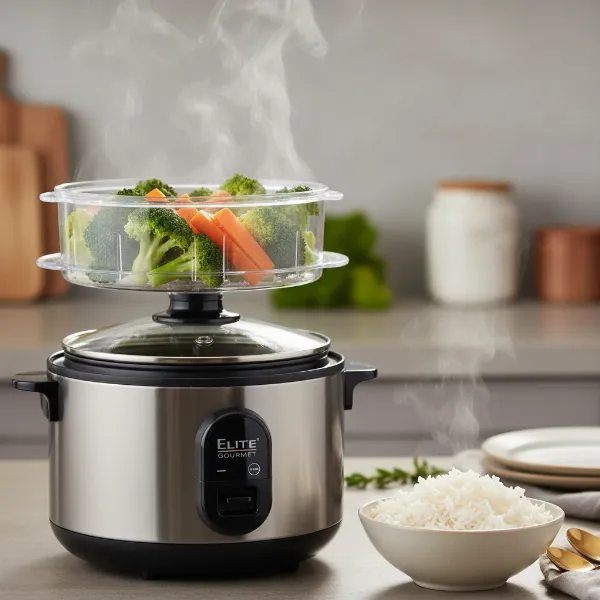
Tired of the constant watch, the boiling over, and the messy draining that comes with cooking pasta on a stovetop? Imagine a simpler way to achieve perfectly cooked pasta, often as a delightful one-pot meal, with minimal effort. Your trusty rice cooker, usually reserved for grains, can surprisingly become your next favorite pasta cooking appliance. This guide will walk you through how to properly cook pasta in a rice cooker, transforming your meal prep into an easy and convenient experience.
Why Choose a Rice Cooker for Pasta?
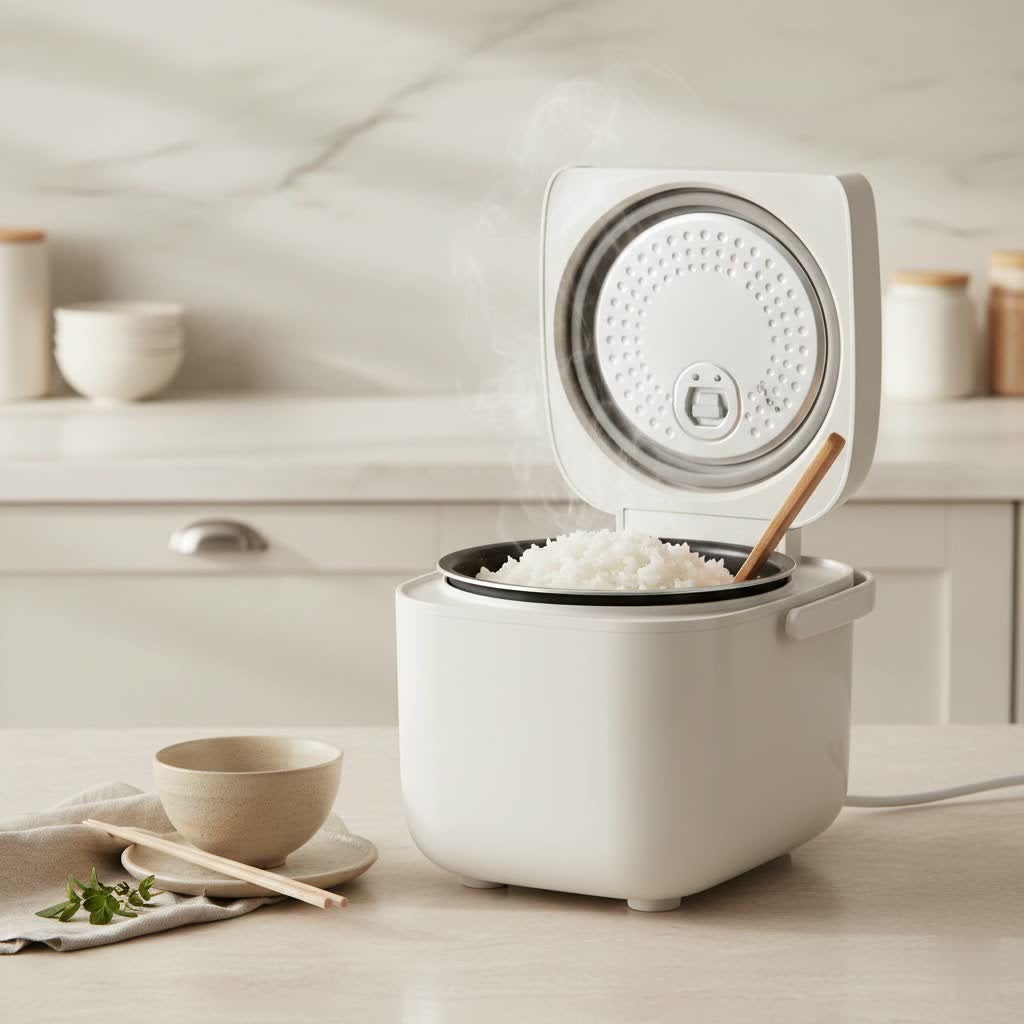
Opting for a rice cooker to prepare your pasta offers a surprising array of benefits, especially when time is tight or kitchen space is limited. Firstly, it provides immense convenience, significantly reducing active cooking time compared to traditional methods. You won’t need to hover over a boiling pot, constantly stirring to prevent sticking. Secondly, rice cookers excel at one-pot meals. You can often toss pasta, sauce, and other ingredients together, letting the appliance do the heavy lifting.
A significant advantage is that no draining is required; the pasta absorbs all the liquid, leading to a richer, more flavorful result. This makes it a fantastic space-saving solution, ideal for dorm rooms, small apartments, or when you simply want to keep your stovetop free for other dishes. Moreover, rice cookers generate less heat, which is a welcome relief, especially during warmer months. Finally, cooking pasta in a rice cooker can be more forgiving, giving you a wider window to achieve that perfect al dente texture without quickly veering into overcooked territory.
The Essentials: What You’ll Need
Embarking on your rice cooker pasta journey requires just a few basic items, many of which you likely already have in your kitchen. At the heart of it is your rice cooker. Most standard models with simple “Cook” and “Warm” settings will work effectively, often outperforming more advanced multi-cookers that might be calibrated too precisely for rice. You’ll need your preferred type of pasta; short shapes are generally easier, but long pasta can also be adapted.
For the liquid, water is perfectly fine, but vegetable or chicken broth can add an extra layer of flavor. A small amount of olive oil is crucial to prevent excessive foaming and sticking. Don’t forget salt to season your pasta. Beyond these essentials, feel free to gather optional ingredients like your favorite pasta sauce, chopped vegetables, or pre-cooked proteins to create a complete one-pot masterpiece.
Choosing the Right Pasta Type for Your Rice Cooker
Selecting the appropriate pasta shape can make a significant difference in your rice cooker cooking success. Short pasta shapes like penne, fusilli, macaroni, farfalle, and rotini are generally the easiest and most recommended options. They fit well within the rice cooker pot and tend to cook more evenly due to their smaller size and consistent shape. Their compact form also reduces the chances of tangling or sticking together during the cooking process.
For those who prefer long pasta such as spaghetti, linguine, or fettuccine, a simple adjustment is necessary: break them in half. This ensures they fit comfortably in the pot and are fully submerged in the cooking liquid for even hydration and cooking. Delicate fresh pasta, however, is best avoided as it can become overly soft or mushy in the sustained heat of a rice cooker. Similarly, very large or irregular shapes like lasagna sheets may not cook uniformly or fit well, making them less suitable for this method.
Step-by-Step Guide: Cooking Pasta in a Rice Cooker
Cooking pasta in a rice cooker is a straightforward process, but it requires a slightly different approach than the stovetop method. Follow these steps for delicious results every time:
1. Preparation and Measurement
|
Our Picks for the Best Rice cooker in 2026
As an Amazon Associate I earn from qualifying purchases.
|
||
| Num | Product | Action |
|---|---|---|
| 1 | Dash Mini Ceramic Rice Cooker - Designed for Single-Serve Cooking - Compact Rice Cooker with Nonstick Removable Pot, Keep Warm Function & Easy-to-Clean Sleek Design - Black Ceramic |

|
| 2 | COSORI Rice Cooker 10 Cup, 24h Keep Warm, Non-stick Ceramic Inner Pot, 18 Functions Fuzzy Logic Rice Maker with Stainless Steel Steamer Basket, Sauté, Slow Cooker, Black |
|
| 3 | BLACK+DECKER 16-Cup Rice Cooker, RC516, 8-Cup Uncooked Rice, Steaming Basket, Removable Non-Stick Bowl, One Touch |
|
| 4 | Elite Gourmet ERC006SS 6-Cup Electric Rice Cooker with Stainless Steel Inner Pot, Makes Soups, Stews, Porridges, Grains and Cereals, 6 cup (3 cups uncooked), Black |
|
| 5 | Elite Gourmet Electric Rice Cooker with Steam Tray and Non-Stick Inner Pot Makes Soups, Stews, Grains, Cereals, Keep Warm Feature, 6 Cups Cooked (3 Cups Uncooked), Black |
|
| 6 | Aroma Housewares Professional Plus ARC-5000SB 20 Cup (Cooked) Digital Rice Cooker, Food Steamer, Slow Cooker, Stainless Exterior/Nonstick Pot, Silver, Black, 10-cup uncooked/20-cup cooked/4QT |
|
| 7 | AROMA® Rice Cooker, 3-Cup (Uncooked) / 6-Cup (Cooked), Small Rice Cooker, Oatmeal Cooker, Soup Maker, Auto Keep Warm, 1.5 Qt, White, ARC-363NG |
|
| 8 | Aroma Housewares ARC-994SB Rice & Grain Cooker Slow Cook, Steam, Oatmeal, Risotto, 8-cup cooked/4-cup uncooked/2Qt, Stainless Steel |
|
| 9 | GreenLife Rice Cooker with Removable PFAS-Free Ceramic Nonstick Pot, 3-Cups Uncooked/6-Cups Cooked, Grains & Oatmeal Multicooker, Compact One-Switch Design, Auto Keep Warm, Easy Clean, Cream |
|
| 10 | Zojirushi NS-TSC10 5-1/2-Cup (Uncooked) Micom Rice Cooker and Warmer, 1.0-Liter |
|
Begin by measuring your pasta. A good guideline for a single serving is about 2 ounces of dry pasta. Next, measure your liquid. For plain pasta, a ratio of approximately 1.5 cups of water or broth per 2 ounces of pasta is a solid starting point. If you’re using long pasta like spaghetti, break it in half to ensure it fits entirely within the rice cooker pot and can be fully submerged. This simple step is vital for even cooking.
2. Combine Ingredients
Place the measured pasta into the inner pot of your rice cooker. Pour in the water or broth, making sure the pasta is completely submerged. If you’re creating a one-pot meal with sauce, add your pasta sauce and any additional liquids (like milk or extra water) at this stage. Ensure the liquid generously covers the pasta by about 1/4 to 1/2 inch, leaving sufficient headspace (about 1-2 inches from the rim) to prevent any potential boil-overs. Finally, add a teaspoon of olive oil and a pinch of salt to the mixture. The oil helps prevent foaming and sticking, while the salt enhances the pasta’s flavor.
3. Initiate Cooking
Close the lid of your rice cooker securely. Select the “Cook” setting or the “White Rice” function, depending on your model. The cooker will begin to heat, bringing the liquid to a simmer. Unlike cooking rice, where you might set it and forget it, pasta requires a little more attention.
4. Monitor and Stir Periodically
This is perhaps the most crucial difference from cooking rice. The starch in pasta can cause foaming, and without agitation, pasta strands can stick together. After about 5-7 minutes, and then every 5-10 minutes thereafter, carefully open the lid and give the pasta a good stir with a non-abrasive utensil. If your rice cooker automatically switches to the “Keep Warm” setting, simply switch it back to “Cook” to continue the process. This stirring ensures even cooking and prevents clumping.
5. Check for Doneness
Start checking your pasta for doneness around the 15-20 minute mark, or approximately 10 minutes longer than the stovetop cooking time suggested on the pasta package. Taste a piece to determine if it has reached an al dente texture—firm to the bite but not hard—or your preferred level of tenderness. Keep in mind that cooking times can vary significantly based on your rice cooker model and the type of pasta.
6. Finishing Touches
Once your pasta is cooked to perfection, if you’ve prepared plain pasta, you might find that most of the liquid has been absorbed, eliminating the need for draining. If there’s still excess liquid, carefully drain it. For one-pot meals, this is the time to stir in any grated cheese, fresh herbs like parsley or basil, or additional seasonings to your liking. Serve immediately and enjoy your effortlessly cooked pasta!
Achieving Al Dente Perfection: Tips and Tricks
Mastering al dente pasta in a rice cooker involves a few key techniques. The water level is paramount; use slightly less liquid for a firmer bite and a bit more for a softer consistency. Remember not to overcrowd the pot, leaving ample space for the pasta to expand and for the liquid to circulate, which also helps prevent frustrating boil-overs. A simple yet effective trick is to add a teaspoon of olive oil to the water at the beginning, which acts as a lubricant, preventing both starch foam and the pasta strands from sticking together.
Stirring regularly—every 5 to 10 minutes—is absolutely essential for even cooking and to ensure your pasta doesn’t clump into a sticky mass. The ultimate test for doneness is always to taste test frequently towards the end of the cooking cycle. Since rice cookers and pasta types vary, this is the most reliable way to achieve your desired texture. Be patient, as cooking times might differ from what you’re used to on the stovetop. Lastly, try to keep the lid closed as much as possible, only opening it briefly to stir and check, to maintain a consistent cooking temperature.
Common Issues and How to Solve Them
While cooking pasta in a rice cooker offers incredible convenience, you might encounter a few common hiccups. Here’s how to troubleshoot them:
- Foaming/Boil-over: If your rice cooker starts bubbling excessively or overflowing, it’s usually due to too much water or not enough oil. Reduce the amount of liquid slightly next time, and always remember to add about a teaspoon of olive oil at the start. The oil helps to break the surface tension, preventing excessive foam.
- Sticking: Pasta can stick together or to the bottom of the pot if there isn’t enough water or if it’s not stirred frequently. Ensure the pasta is adequately covered with liquid and commit to stirring every 5-10 minutes throughout the cooking process.
- Under/Overcooked Pasta: This often comes down to an incorrect cook time or water ratio. Rice cookers vary, so the best solution is to start checking for doneness a few minutes earlier than expected and adjust cooking time and liquid amount in future attempts based on your taste.
- Rice Cooker Switching Off Prematurely: Standard rice cookers are designed to switch to “Keep Warm” once they detect all the water has been absorbed, which works for rice but not always for pasta. If this happens, simply switch it back to “Cook.” You may need to do this multiple times.
- Gummy Texture: Some traditionalists argue that rice cooker pasta can sometimes turn out a bit gummy due to the cooking method. While complete elimination might be challenging for some, using the correct water ratio, stirring frequently, and adding a touch of oil can significantly mitigate this issue, aiming for a more pleasing texture.
Enhancing Your Rice Cooker Pasta: One-Pot Meal Ideas
The true magic of cooking pasta in a rice cooker lies in its potential for creating effortless one-pot meals. Instead of just plain pasta, you can infuse rich flavors and added nutrients right in the cooker. For a quick and delightful creamy tomato pasta, simply add your favorite pasta sauce, a splash of milk, and some minced garlic along with the pasta and water. This method often results in a wonderfully rich and flavorful dish.
If you’re craving comfort food, a rice cooker mac and cheese is easily achievable by cooking pasta with water and a little butter, then stirring in cheese and milk after the cooking cycle is complete. To boost nutrition and flavor, incorporate pre-cooked proteins like shredded chicken, cooked sausage, or shrimp. These can be added towards the end of the cooking cycle to ensure they are heated through without overcooking. For a veggie-loaded meal, quick-cooking vegetables such as spinach, bell peppers, zucchini, or diced tomatoes can be added alongside the pasta and liquid. They will cook perfectly in the steam and moisture, making for a healthier and more vibrant dish.
“Cooking pasta in a rice cooker is a game-changer for busy weeknights, offering a hands-off approach to a comforting meal. The key is to manage your liquid ratios and stir occasionally for perfect results.” – Sha, Food Blogger at Nomadette
Conclusion
The rice cooker is more than just a dedicated grain appliance; it’s a versatile tool capable of simplifying your kitchen routine, especially when it comes to pasta. From offering unparalleled convenience for busy schedules to enabling delicious one-pot meals, it stands as a testament to efficient cooking. By understanding the proper water-to-pasta ratios, stirring diligently, and monitoring for that ideal al dente bite, you can unlock a world of effortless pasta dishes. Don’t shy away from experimenting with different pasta shapes and adding your favorite sauces and ingredients to create customized culinary delights. Why not embrace the ease and precision of the rice cooker for your next pasta meal? What creative one-pot pasta creation will you conjure up first?
Frequently Asked Questions
Can all types of rice cookers be used for pasta?
Yes, most rice cookers, especially basic models with “Cook” and “Warm” settings, are suitable for cooking pasta. Advanced models might require more manual intervention to prevent them from switching to “Warm” prematurely, but they can still be used effectively.
What is the ideal pasta-to-water ratio for a rice cooker?
A good starting point for plain pasta is 2 ounces of pasta to 1.5 cups of water. For one-pot meals with sauce, ensure the liquid (sauce plus any added water or milk) generously covers the pasta by about 1/4 to 1/2 inch, while leaving sufficient headspace in the pot to prevent boiling over.
How long does it take to cook pasta in a rice cooker?
Cooking times typically range from 15 to 25 minutes, often about 10 minutes longer than the stovetop instructions for a given pasta. However, this can vary based on the pasta type and your specific rice cooker model, making frequent checking for an al dente texture crucial.
How can I prevent pasta from sticking or getting gummy?
Adding about a teaspoon of olive oil to the water before cooking helps prevent both sticking and excessive foaming. Additionally, regular stirring every 5-10 minutes during the cooking cycle is essential to ensure even cooking and to keep the pasta strands separated.
Can I cook pasta and sauce together in a rice cooker?
Absolutely! Many find this the most appealing advantage for creating quick, one-pot meals. You can add your pasta, sauce, and any additional liquids (like milk or broth), along with seasonings, all at the beginning. Just be sure to maintain adequate liquid levels for the pasta to cook thoroughly and evenly.