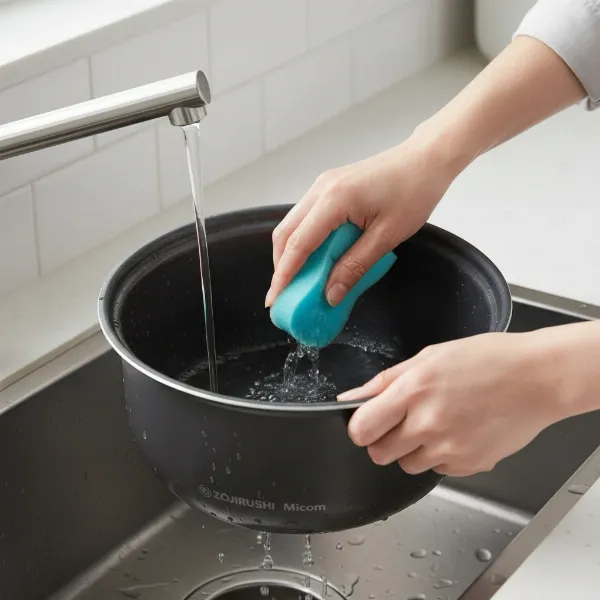
The convenience of a non-stick inner pot in your rice cooker or other cookware is undeniable, promising perfectly cooked meals with easy cleanup. However, the lifespan of these specialized coatings isn’t infinite, and finding a scratch can be a disheartening experience. You might wonder if a quick fix is possible, or if it’s time to part ways with your trusty pot. This guide will delve into the realities of dealing with a scratched non-stick inner pot, exploring whether repairs are truly viable, the potential health implications, and how to best care for your cookware to prevent future damage.
Understanding Non-Stick Coatings and Why They Scratch
Non-stick coatings, most commonly made from polytetrafluoroethylene (PTFE) or similar fluoropolymers, provide a smooth, low-friction surface that prevents food from adhering. While incredibly effective, these coatings are also delicate and susceptible to damage. Over time, several factors can lead to the formation of scratches:
- Metal Utensils: Using metal spatulas, spoons, or whisks is a primary culprit. Their hard edges can easily scrape and gouge the soft non-stick surface.
- Abrasive Cleaning: Harsh scrubbers, steel wool, or abrasive cleaning agents can wear down and scratch the coating, even if they aren’t metal. Dishwashers, with their aggressive detergents and high heat, can also contribute to degradation.
- Improper Storage: Stacking pots and pans without a protective barrier, like a felt pad or cloth towel, allows cookware to rub against each other, causing scratches.
- High Heat: Exposing non-stick cookware to excessively high temperatures can degrade the coating, making it more brittle and prone to damage, even if it doesn’t immediately scratch.
- Acidic or Salty Foods: Prolonged contact with highly acidic or salty ingredients, especially when kept warm, can erode the non-stick surface over time.
- Rinsing Rice in the Pot: The abrasive action of rice grains against the non-stick surface, especially during vigorous rinsing, can cause micro-scratches that accumulate over time.
Can You Truly “Fix” a Scratched Non-Stick Pot? The Harsh Reality
The short answer to whether you can truly fix a scratched non-stick inner pot is generally no. While some temporary measures or myths persist, a genuine, lasting repair that fully restores the non-stick properties and safety of the original coating is not feasible for the average consumer.
Many sources suggest “seasoning” a scratched pan with oil or using “cookware repair sprays.” These methods aim to create a temporary, thin barrier over the damaged area. For instance, applying a layer of high-heat resistant oil like flaxseed or canola oil and heating it gently can polymerize the oil, filling minor pores and creating a somewhat smoother surface. Cookware sprays are designed to provide a similar temporary non-stick layer.
However, these are superficial solutions. They don’t re-bond or replace the original non-stick coating. Deep scratches, peeling, or flaking cannot be genuinely repaired. The process of re-coating non-stick cookware requires specialized industrial equipment and techniques that are only available at manufacturing facilities, making it impractical and cost-prohibitive for individual repairs. If the non-stick properties are significantly compromised or the coating is visibly deteriorating, these temporary fixes offer little long-term benefit and do not mitigate the potential health risks.
The Hidden Dangers of Using a Damaged Non-Stick Pot
Beyond the inconvenience of food sticking, using a scratched or damaged non-stick inner pot carries significant health and safety concerns that are often underestimated.
Microplastic and Nanoplastic Release
|
Our Picks for the Best Rice cooker in 2026
As an Amazon Associate I earn from qualifying purchases.
|
||
| Num | Product | Action |
|---|---|---|
| 1 | BLACK+DECKER 16-Cup Rice Cooker, RC516, 8-Cup Uncooked Rice, Steaming Basket, Removable Non-Stick Bowl, One Touch |

|
| 2 | Dash Mini Ceramic Rice Cooker - Designed for Single-Serve Cooking - Compact Rice Cooker with Nonstick Removable Pot, Keep Warm Function & Easy-to-Clean Sleek Design - Black Ceramic |
|
| 3 | Zojirushi NS-TSC10 5-1/2-Cup (Uncooked) Micom Rice Cooker and Warmer, 1.0-Liter |
|
| 4 | COSORI Rice Cooker 10 Cup, 24h Keep Warm, Non-stick Ceramic Inner Pot, 18 Functions Fuzzy Logic Rice Maker with Stainless Steel Steamer Basket, Sauté, Slow Cooker, Black |
|
| 5 | Aroma Housewares ARC-994SB Rice & Grain Cooker Slow Cook, Steam, Oatmeal, Risotto, 8-cup cooked/4-cup uncooked/2Qt, Stainless Steel |
|
| 6 | AROMA® Rice Cooker, 3-Cup (Uncooked) / 6-Cup (Cooked), Small Rice Cooker, Oatmeal Cooker, Soup Maker, Auto Keep Warm, 1.5 Qt, White, ARC-363NG |
|
| 7 | Elite Gourmet Electric Rice Cooker with Steam Tray and Non-Stick Inner Pot Makes Soups, Stews, Grains, Cereals, Keep Warm Feature, 6 Cups Cooked (3 Cups Uncooked), Black |
|
| 8 | Elite Gourmet ERC006SS 6-Cup Electric Rice Cooker with Stainless Steel Inner Pot, Makes Soups, Stews, Porridges, Grains and Cereals, 6 cup (3 cups uncooked), Black |
|
| 9 | Aroma Housewares Professional Plus ARC-5000SB 20 Cup (Cooked) Digital Rice Cooker, Food Steamer, Slow Cooker, Stainless Exterior/Nonstick Pot, Silver, Black, 10-cup uncooked/20-cup cooked/4QT |
|
| 10 | GreenLife Rice Cooker with Removable PFAS-Free Ceramic Nonstick Pot, 3-Cups Uncooked/6-Cups Cooked, Grains & Oatmeal Multicooker, Compact One-Switch Design, Auto Keep Warm, Easy Clean, Cream |
|
Recent studies have brought to light a critical issue: scratched non-stick pans can release a substantial number of microplastic and nanoplastic particles directly into your food. A 2022 study, for example, revealed that even a single scratch on a non-stick pan could release at least 9,000 microplastic particles. For pans with deeper cracks or more extensive wear, this number can skyrocket into the millions. These particles are not visible to the naked eye but become an undeniable part of your meal.
Potential Health Risks
Many non-stick coatings, particularly older ones, contain or are related to per- and polyfluoroalkyl substances (PFAS), often referred to as “forever chemicals.” While modern formulations have reduced or eliminated certain PFAS like PFOA, the issue of microplastic ingestion remains. The concern arises because nanoplastics, being incredibly small, have the potential to enter directly into blood cells and even cross the blood-brain barrier. Exposure to PFAS has been linked to a range of serious health problems, including:
- Liver disease
- Kidney disease
- High blood pressure
- Certain cancers
- Fertility problems and birth defects
Given these emerging findings, many experts now recommend replacing any non-stick cookware once its coating is damaged. This advice is particularly crucial for pans manufactured before 2015, which are more likely to contain the older, more concerning PFAS chemicals.
Compromised Performance and Hygiene
Aside from health risks, a scratched non-stick pot simply doesn’t perform as intended. Food will begin to stick, leading to uneven cooking and a frustrating experience. Deep scratches also create crevices where food particles can become trapped, making cleaning more difficult and potentially harboring bacteria, compromising overall kitchen hygiene.
When It’s Time to Say Goodbye: Identifying Irreparable Damage
Knowing when to replace your non-stick inner pot is crucial for both cooking performance and your health. Here are the clear signs that your pot has reached the end of its useful life:
- Deep Scratches or Gouges: Any scratch that penetrates beyond the superficial layer of the coating.
- Peeling, Chipping, or Flaking: If the non-stick material is visibly detaching from the pot’s surface, it’s a definite sign for replacement.
- Significant Loss of Non-Stick Properties: If food consistently sticks, even after proper seasoning or care, the coating is worn out.
- Warping: A warped pot means uneven heat distribution and further damage to the coating.
- Age: Non-stick pots don’t last forever. Even with the best care, manufacturers typically suggest replacing them every 1-3 years for frequent use. If your pot is older, especially pre-2015, replacement is highly advisable due to older chemical compositions.
Prevention is Key: Extending the Life of Your Non-Stick Pot
While fixing a damaged non-stick pot is often impossible, preventing scratches in the first place can significantly extend its lifespan and ensure safer cooking.
- Use the Right Utensils: Always opt for wooden, silicone, or heat-resistant plastic utensils. Absolutely avoid metal spoons, spatulas, or whisks, as these are primary culprits for scratches.
- Gentle Cleaning Methods:
- Hand Wash: Avoid the dishwasher, as harsh detergents and high temperatures can degrade the coating.
- Soft Sponges: Use a soft sponge or cloth with mild dish soap. Never use abrasive scrubbers, steel wool, or scouring powders.
- Soak, Don’t Scrub: If food is stuck, soak the pot in warm, soapy water for a short period to loosen debris before gently wiping it clean.
- Cool Before Washing: Allow the pot to cool completely before washing it with cold water. Thermal shock from extreme temperature changes can cause warping and accelerate coating breakdown.
- Proper Storage: Prevent accidental scratches by storing your non-stick pot carefully. Place a cloth towel, felt protector, or paper plate between pots if stacking them.
- Mind the Heat: Use non-stick cookware over low to medium heat settings. High heat can damage the coating and reduce its effectiveness over time. Avoid preheating an empty non-stick pot on high heat.
- Rinse Rice Separately: To prevent abrasive friction, rinse your rice in a separate bowl or colander before adding it to the inner pot for cooking.
- Avoid Acidic/Salty Hold Times: Do not leave highly acidic or salty foods warming in the non-stick pot for extended periods, as these ingredients can erode the coating.
Making the Switch: Alternatives and Replacement Options
When your non-stick inner pot is beyond repair, consider your options for replacement.
Choosing a New Non-Stick Pot
If you prefer the convenience of non-stick, invest in a high-quality replacement from a reputable brand. Look for coatings that are explicitly marketed as PFOA-free and PFAS-free, as these indicate more modern and safer formulations. Some manufacturers use ceramic-based non-stick coatings, which can be an alternative, though their durability can vary. Be prepared that even the best non-stick coatings have a limited lifespan and will eventually need replacement.
Exploring Alternative Cookware Materials
For those seeking more durable and potentially healthier long-term options, consider cookware made from different materials:
- Stainless Steel: Highly durable, non-reactive, and excellent for browning and searing. While not inherently non-stick, with proper heating and oil, food release can be managed. Stainless steel pots often last a lifetime.
- Cast Iron: Known for its exceptional heat retention and even heating, cast iron can develop a natural non-stick surface through seasoning. It’s incredibly durable and can be passed down through generations. It does require specific care, including proper seasoning and drying to prevent rust.
- Ceramic-Coated (Non-PTFE): Some modern cookware features ceramic-based non-stick coatings that are free from traditional PFAS chemicals. These can offer good non-stick performance, but their durability can still be less than traditional PTFE or permanent materials like cast iron. Always verify the specific claims and certifications for these coatings.
“When your non-stick pan shows signs of significant wear, prioritize your health over trying to extend its life. Replacing it is the safest and most responsible choice.” – Dr. Whitney Linsenmeyer, Assistant Professor of Nutrition and Dietetics
Conclusion
Discovering a scratched non-stick inner pot can be frustrating, but understanding the realities of repair and the potential health implications is paramount. While temporary fixes might offer a glimmer of hope, the consensus from experts is clear: deep scratches, peeling, or flaking mean it’s time for a replacement. The risk of ingesting microplastics and nanoplastics, along with their associated health concerns, far outweighs the cost of a new pot. By adopting careful usage and cleaning habits, you can significantly prolong the life of your non-stick cookware. However, when the time comes, don’t hesitate to invest in a new, high-quality non-stick option or explore the robust alternatives like stainless steel or cast iron. Ultimately, your health and peace of mind in the kitchen are priceless.
What steps will you take today to ensure the safety and longevity of your cooking essentials?
Frequently Asked Questions
Is it safe to use a non-stick pot with minor scratches?
While minor, superficial scratches might not immediately cause significant health issues, they are a sign that the coating is degrading. Experts generally recommend replacing any non-stick cookware when the coating is damaged, as even small scratches can release microplastic particles into your food.
How often should I replace my non-stick inner pot?
With regular use, a non-stick inner pot typically lasts between one to three years. Factors like frequency of use, cleaning methods, and cooking temperatures can influence its lifespan. If you notice any signs of wear like sticking, discoloration, deep scratches, or peeling, it’s time for a replacement regardless of age.
What are PFAS and why are they a concern?
PFAS (per- and polyfluoroalkyl substances) are a group of man-made chemicals used in many products, including older non-stick coatings. They are known as “forever chemicals” because they break down very slowly in the environment and the human body, accumulating over time. Exposure to certain PFAS has been linked to various health problems, including liver damage, thyroid disease, kidney disease, and some cancers.
Can I use cooking spray on my non-stick pot?
Some manufacturers advise against using cooking sprays on non-stick surfaces. The propellants and certain ingredients in sprays can sometimes leave a residue that builds up over time, which can become difficult to clean and potentially degrade the non-stick coating. It’s often better to use a small amount of butter or oil applied directly to the pan.
How do I properly dispose of a scratched non-stick pot?
Non-stick cookware should not be recycled with regular metal recycling due to the chemical coatings. Check with your local waste management facility for specific guidelines on disposing of “complex materials” or “household hazardous waste.” Some communities have specialized recycling programs or waste-to-energy facilities that can handle these items.