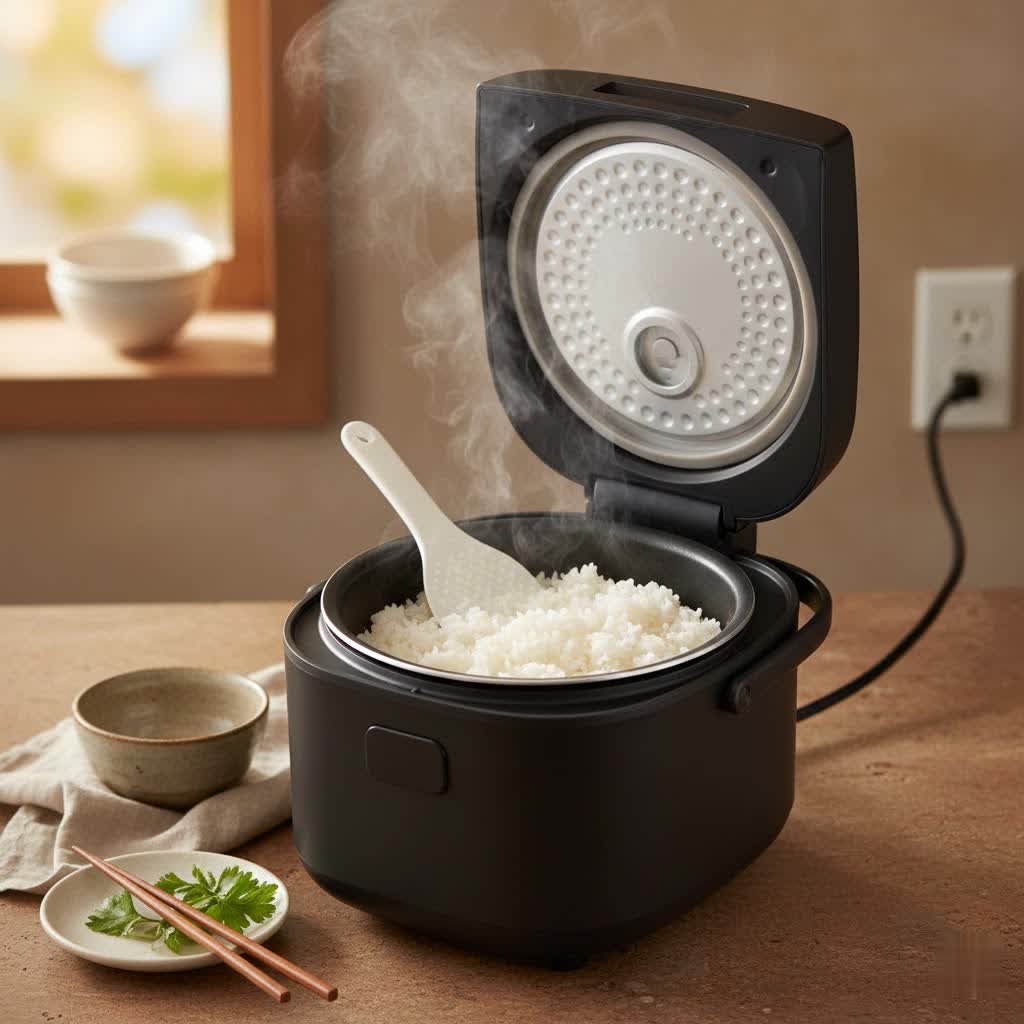
Few dishes offer the profound comfort and nourishing warmth of congee or porridge. Whether you’re seeking a soothing breakfast, a light lunch, or a gentle meal for a tender stomach, these versatile rice preparations are a global staple. Historically, making perfect congee involved hours of stovetop stirring, but thanks to modern kitchen appliances, achieving that silky, comforting texture has never been easier. Your rice cooker, a seemingly simple device, is actually a secret weapon for effortlessly creating these beloved dishes.
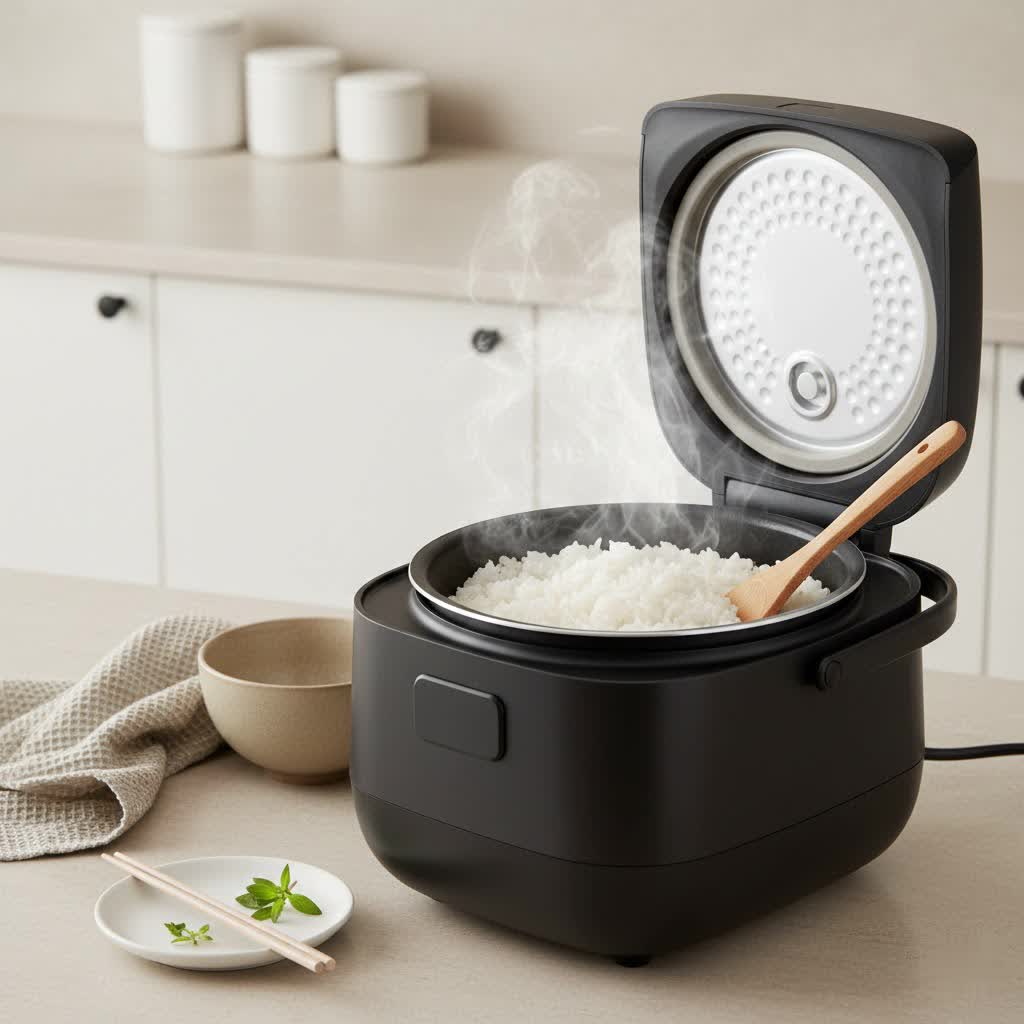
This guide will walk you through everything you need to know about preparing exquisite congee and porridge using your rice cooker. We’ll explore the subtle distinctions between these rice-based meals, help you select the ideal rice, provide essential rice-to-liquid ratios, and share a step-by-step cooking process, along with tips for customizing your bowl with delightful add-ins and toppings. Prepare to unlock a new level of culinary ease and enjoyment right in your kitchen.
Congee vs. Porridge: Understanding the Distinction
While often used interchangeably, especially outside of East Asian cultures, “congee” and “porridge” can refer to slightly different preparations, primarily concerning the rice’s texture. Congee, known as “jook” in Cantonese or “okayu” in Japanese, specifically refers to a thick rice porridge where the rice grains are cooked for an extended period until they completely break down and disintegrate into a smooth, starchy, and almost gluey consistency. It is typically savory, often served as a main meal or a healing food.
“Porridge,” on the other hand, is a broader term. While it can certainly encompass rice porridge, it also commonly refers to dishes made from other grains, like oatmeal (oat porridge) or grits. When applied to rice, a “rice porridge” might sometimes imply a preparation where the rice grains retain a bit more of their individual shape and chew, compared to the utterly dissolved state characteristic of congee. However, in many contexts, particularly when discussing Asian rice dishes, “rice porridge” and “congee” are synonymous, both aiming for that deeply comforting, soft texture. Ultimately, the goal is a creamy, well-cooked rice gruel, regardless of the exact term used.
Why Your Rice Cooker is Perfect for Congee and Porridge
The rice cooker is an unsung hero for making congee and porridge, transforming a traditionally laborious process into one of effortless convenience. Its primary advantage lies in its ability to maintain a consistent, gentle heat over a long period, which is crucial for coaxing the rice grains to break down slowly and evenly. This eliminates the need for constant stirring, a hallmark of stovetop methods, freeing you up to attend to other tasks.
Many modern rice cookers come equipped with a dedicated “porridge” or “congee” setting. This specialized function automatically adjusts the temperature and cooking time to achieve the ideal texture, often preventing boil-overs that can occur with high liquid content. Even if your rice cooker lacks this specific setting, its basic “cook” function can still be adapted to produce excellent results, making it an accessible tool for nearly any home cook looking to enjoy these comforting dishes. The consistent results and minimal supervision required make the rice cooker an indispensable appliance for mastering congee and porridge.
Choosing the Right Rice for Your Bowl
The type of rice you select plays a significant role in the final texture of your congee or porridge. For that desired silky, creamy consistency where the grains practically melt into the liquid, starchy rice varieties are your best bet.
- Jasmine Rice: A popular choice for its fragrant aroma and high starch content. When cooked for an extended period, jasmine rice breaks down beautifully, contributing to a smooth and tender congee.
- Japonica Rice (Medium-Grain): This includes varieties like sushi rice. Japonica rice is also quite starchy and tends to break down efficiently, yielding a thick and satisfying texture without excessive cooking time. Many chefs find sushi rice particularly effective because it accelerates the breakdown process, achieving that desirable “gloopy” congee texture faster than longer-grain varieties.
While you might be tempted to use other types of rice, such as basmati or brown rice, they generally contain less starch and more fiber, meaning they won’t “gel” as much. This can result in a more granular, less cohesive porridge. If you prefer a smoother, more traditional congee, sticking to jasmine or japonica rice is highly recommended. For an even quicker breakdown and a silkier texture, some seasoned cooks even recommend using rice that has been soaked overnight or, surprisingly, rice that has been frozen. The freezing process helps to fracture the rice grains, allowing them to absorb water and disintegrate more rapidly during cooking.
Essential Ratios: Rice to Liquid for Perfect Consistency
Achieving the perfect consistency in your congee or porridge is largely dependent on the rice-to-liquid ratio. Unlike cooking regular rice, which uses a 1:2 ratio, congee and porridge require a significantly higher liquid content to allow the grains to fully break down and create that characteristic creamy texture.
A general starting point for a classic congee is 1 cup of raw rice to 8-10 cups of liquid. This ratio typically yields a medium-thick consistency, which is a popular preference.
However, consistency is a matter of personal taste, and these ratios can be adjusted:
- For a very thick porridge: You might use a ratio closer to 1 cup rice to 7 cups liquid.
- For a thinner, more soup-like consistency: Increase the liquid to 1 cup rice for 10 or more cups of liquid.
It’s important to note that adding too much liquid, especially when using a rice cooker, can sometimes lead to boil-overs if the cooker’s capacity is exceeded or if it lacks a dedicated porridge setting. Always monitor your rice cooker, particularly during the initial stages.
The liquid itself can be plain water, but for enhanced flavor and nutritional value, many prefer to use chicken or vegetable stock. This adds depth and richness to the porridge, especially when preparing savory versions. Remember that congee will thicken as it cools, so don’t be alarmed if it appears a bit too watery immediately after cooking. You can always add a splash of hot water or stock and stir to thin it out if it becomes too thick upon serving. Conversely, if your congee is too thin, you can continue to cook it for a bit longer, stirring occasionally, until it reaches your desired density.
Step-by-Step Guide: Making Congee/Porridge in Your Rice Cooker
Making congee or porridge in a rice cooker is a straightforward process, even if your appliance doesn’t have a dedicated setting. Follow these steps for a delicious, comforting bowl.
Basic Recipe
Ingredients:
- 1 cup jasmine or japonica rice
- 8-10 cups water or chicken/vegetable stock
- A pinch of salt (optional, adjust to taste)
- Optional aromatics: 1-inch piece of fresh ginger, sliced; 1-2 spring onions, roughly chopped (to be removed before serving)
Instructions:
- Rinse the Rice: Place the rice in the inner pot of your rice cooker. Rinse it thoroughly under cold running water, swirling the rice with your hand, until the water runs mostly clear. Drain well. This step removes excess starch, which can prevent boil-overs and lead to a cleaner texture.
- Combine Ingredients: Add the rinsed rice, liquid (water or stock), and any optional aromatics like sliced ginger and chopped spring onions to the rice cooker pot. If adding salt, do so now.
- Select Setting:
- With Porridge/Congee Setting: Close the lid and select the “Porridge” or “Congee” setting on your rice cooker. Press “Start.” Cooking time typically ranges from 45 minutes to 1 hour and 15 minutes, depending on the model and desired consistency.
- Without Porridge/Congee Setting: Close the lid and select the regular “Cook” setting. To prevent boil-overs, particularly during the initial stages, you might need to cook with the lid slightly ajar or even uncovered, especially if your rice cooker tends to bubble vigorously. Monitor closely, especially for the first 15-20 minutes. You may need to run the “cook” cycle multiple times until the desired consistency is achieved.
Our Picks for the Best Rice cooker in 2026As an Amazon Associate I earn from qualifying purchases.Num Product Action 1 COSORI Rice Cooker 10 Cup, 24h Keep Warm, Non-stick Ceramic Inner Pot, 18 Functions Fuzzy Logic Rice Maker with Stainless Steel Steamer Basket, Sauté, Slow Cooker, Black 
2 Aroma Housewares ARC-994SB Rice & Grain Cooker Slow Cook, Steam, Oatmeal, Risotto, 8-cup cooked/4-cup uncooked/2Qt, Stainless Steel
3 Elite Gourmet Electric Rice Cooker with Steam Tray and Non-Stick Inner Pot Makes Soups, Stews, Grains, Cereals, Keep Warm Feature, 6 Cups Cooked (3 Cups Uncooked), Black
4 Dash Mini Ceramic Rice Cooker - Designed for Single-Serve Cooking - Compact Rice Cooker with Nonstick Removable Pot, Keep Warm Function & Easy-to-Clean Sleek Design - Black Ceramic
5 Elite Gourmet ERC006SS 6-Cup Electric Rice Cooker with Stainless Steel Inner Pot, Makes Soups, Stews, Porridges, Grains and Cereals, 6 cup (3 cups uncooked), Black
6 BLACK+DECKER 16-Cup Rice Cooker, RC516, 8-Cup Uncooked Rice, Steaming Basket, Removable Non-Stick Bowl, One Touch
7 AROMA® Rice Cooker, 3-Cup (Uncooked) / 6-Cup (Cooked), Small Rice Cooker, Oatmeal Cooker, Soup Maker, Auto Keep Warm, 1.5 Qt, White, ARC-363NG
8 GreenLife Rice Cooker with Removable PFAS-Free Ceramic Nonstick Pot, 3-Cups Uncooked/6-Cups Cooked, Grains & Oatmeal Multicooker, Compact One-Switch Design, Auto Keep Warm, Easy Clean, Cream
9 Aroma Housewares Professional Plus ARC-5000SB 20 Cup (Cooked) Digital Rice Cooker, Food Steamer, Slow Cooker, Stainless Exterior/Nonstick Pot, Silver, Black, 10-cup uncooked/20-cup cooked/4QT
10 Zojirushi NS-TSC10 5-1/2-Cup (Uncooked) Micom Rice Cooker and Warmer, 1.0-Liter
- Cook and Stir: Allow the rice cooker to do its work. If cooking without a dedicated setting or if you notice excessive bubbling, stir occasionally to prevent sticking to the bottom and to help break down the rice grains.
- Check Consistency: Once the cooking cycle is complete (or after repeated cycles), let the congee sit in the “Keep Warm” mode for an additional 10-15 minutes. This allows it to thicken further. Open the lid, remove any large pieces of ginger or spring onion used for flavoring, and stir the congee. The rice grains should be visibly broken down, creating a thick, creamy consistency. If it’s too thick, stir in a little hot water or stock until it reaches your desired pourable texture. If it’s too thin, you can either cook it for a bit longer (if your rice cooker allows) or transfer it to a saucepan and simmer gently on the stove, stirring, until it thickens.
- Serve: Ladle the hot congee into bowls and customize with your favorite toppings.
Troubleshooting Common Issues
- Congee is too thick: Simply stir in hot water or warm stock, a quarter cup at a time, until you reach your preferred consistency.
- Congee is too thin: Continue cooking on the “Keep Warm” setting for another 15-30 minutes, or transfer to a pot on the stove and simmer over low heat, stirring occasionally, until it thickens.
- Boil-over: This often happens with too much liquid or if the rice cooker lid is fully sealed without a porridge setting. To prevent this, cook with the lid ajar, use slightly less liquid, or monitor and stir more frequently. Some rice cooker models have an overflow catcher around the inner pot which can help.
- Rice sticking to the bottom: Rinsing the rice thoroughly, stirring occasionally, or soaking the rice for 30 minutes to an hour before cooking can help minimize sticking.
Creative Add-ins and Toppings to Elevate Your Dish
The beauty of congee and porridge lies in their versatility. A basic bowl serves as a comforting base, but the true magic happens when you customize it with a variety of flavorful add-ins and toppings. These enhancements can transform a simple rice dish into a gourmet experience.
Savory Sensations:
- Proteins:
- Shredded Chicken: Poached or leftover roast chicken, pulled into tender strands.
- Pork: Thinly sliced pork (often marinated), ground pork, or even savory pork floss.
- Fish: Flaky white fish or salmon, often added towards the end of cooking.
- Century Egg and Salted Duck Egg: Classic Chinese additions offering unique umami flavors.
- Crispy Tofu or Tempeh: For a vegetarian option.
- Aromatics & Vegetables:
- Fresh Ginger: Julienne strips or minced, added raw as a topping or cooked in the congee base.
- Spring Onions (Scallions): Finely sliced for a fresh, pungent bite.
- Fried Shallots or Garlic: Crispy and aromatic, adding a textural contrast.
- Cilantro: Fresh leaves for a burst of herby freshness.
- Mushrooms: Sliced shiitake or rehydrated dried mushrooms add earthy notes.
- Pickled Vegetables: Such as preserved radish or mustard greens, provide a tangy crunch.
- Flavor Boosters:
- Soy Sauce: A drizzle for savory depth.
- Sesame Oil: A few drops for a nutty, aromatic finish.
- White Pepper: A common seasoning, adding a subtle warmth.
- Chili Oil or Sriracha: For those who enjoy a spicy kick.
Simple Comforts:
Sometimes, the best toppings are the simplest. A perfectly cooked soft-boiled or fried egg, a sprinkle of sea salt, and a dash of white pepper can be all you need to complete a truly comforting bowl.
Experimenting with different combinations allows you to create a personalized congee or porridge that suits your mood and preferences. Don’t hesitate to think outside the box and discover your own favorite pairings.
Conclusion
The rice cooker truly is a marvel for preparing comforting and nourishing congee and porridge. What once required vigilant stirring and careful attention on the stovetop can now be achieved with minimal effort, thanks to modern appliance technology. By understanding the optimal rice-to-liquid ratios, selecting the right type of rice, and utilizing either a dedicated porridge setting or the basic cook function, you can consistently achieve that perfect, silky texture that defines these beloved dishes.
From the simple, healing power of a plain congee to the rich complexity of a fully loaded savory bowl, your rice cooker empowers you to explore a world of flavors with ease. Don’t shy away from experimenting with various proteins, fresh aromatics, and flavorful condiments to customize your creation. Whether you’re looking for a gentle meal, a hearty breakfast, or a comforting dinner, mastering congee and porridge in your rice cooker opens up endless culinary possibilities. So, gather your ingredients, set your rice cooker, and prepare to indulge in a truly satisfying and effortlessly made meal.
Frequently Asked Questions
Can I use brown rice to make congee or porridge in a rice cooker?
While it is technically possible, brown rice is not ideal for traditional congee as its bran layer prevents it from breaking down as easily as white rice. This results in a chewier, less creamy texture. If you opt for brown rice, you will need to increase the cooking time significantly and use a higher liquid-to-rice ratio, potentially requiring multiple cooking cycles or a longer soak.
How long can I store leftover congee or porridge?
Cooked congee or porridge can be stored in an airtight container in the refrigerator for upgto 3-4 days. It will likely thicken considerably as it cools, so you may need to add a splash of hot water or stock and stir well when reheating to restore its desired consistency.
Can I prepare congee or porridge in advance?
Absolutely! Congee is an excellent make-ahead meal. You can cook a large batch and store it in the refrigerator. When ready to serve, simply reheat gently on the stove or in the microwave, adding liquid as needed to achieve the desired consistency. This makes it a convenient option for quick breakfasts or weeknight meals.
What is the difference between congee and jook?
There is no difference between congee and jook; they refer to the same dish. “Congee” is the common English term for a type of rice porridge popular across Asia, derived from a Tamil word. “Jook” is the Cantonese name for the same dish, widely used in Hong Kong and by Chinese diaspora communities. Other regional names include “okayu” (Japan), “juk” (Korea), and “bubur” (Indonesia).
Do I need to soak the rice before making congee in a rice cooker?
Soaking the rice is not strictly necessary, especially if your rice cooker has a dedicated porridge setting. However, soaking rice for at least 30 minutes, or even overnight, can help the grains break down more quickly and evenly, potentially reducing overall cooking time and contributing to an even smoother, creamier texture. It can also help prevent rice from sticking to the bottom of the pot.