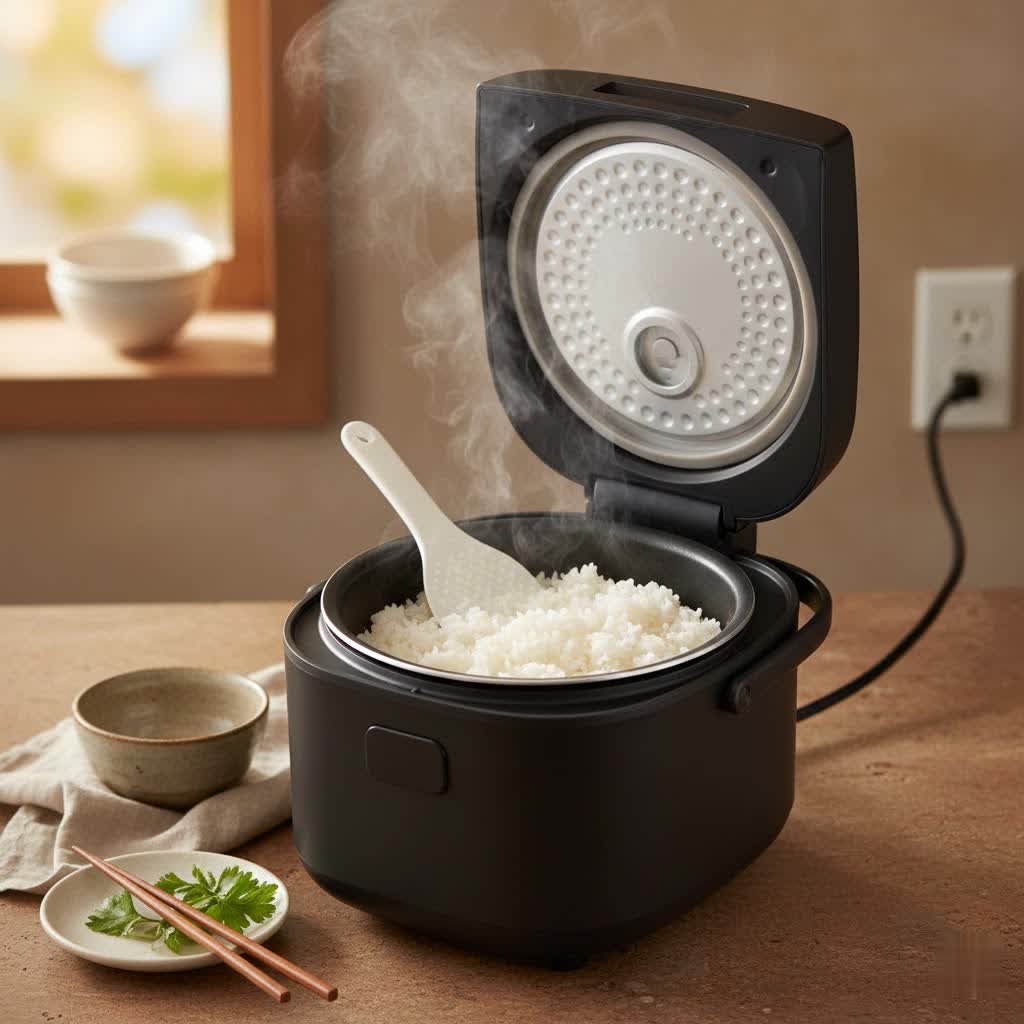
For many, a rice cooker is an essential kitchen appliance, but with a myriad of technologies available, deciding on the right one can be a complex task. From basic conventional models to sophisticated microcomputer (Micom) and advanced Induction Heating (IH) systems, understanding the underlying technology is key to achieving perfectly cooked rice every time. This guide delves into the distinctions between Micom and IH rice cookers, helping you determine which technology best suits your culinary needs and budget.
Understanding Rice Cooker Technologies
The evolution of rice cookers has brought about significant advancements, moving beyond simple on/off heating mechanisms to intelligent systems that fine-tune the cooking process.
What is Micom (Microcomputer) Technology?
|
Our Picks for the Best Rice cooker in 2026
As an Amazon Associate I earn from qualifying purchases.
|
||
| Num | Product | Action |
|---|---|---|
| 1 | Zojirushi NS-TSC10 5-1/2-Cup (Uncooked) Micom Rice Cooker and Warmer, 1.0-Liter |

|
| 2 | Aroma Housewares Professional Plus ARC-5000SB 20 Cup (Cooked) Digital Rice Cooker, Food Steamer, Slow Cooker, Stainless Exterior/Nonstick Pot, Silver, Black, 10-cup uncooked/20-cup cooked/4QT |
|
| 3 | GreenLife Rice Cooker with Removable PFAS-Free Ceramic Nonstick Pot, 3-Cups Uncooked/6-Cups Cooked, Grains & Oatmeal Multicooker, Compact One-Switch Design, Auto Keep Warm, Easy Clean, Cream |
|
| 4 | Elite Gourmet ERC006SS 6-Cup Electric Rice Cooker with Stainless Steel Inner Pot, Makes Soups, Stews, Porridges, Grains and Cereals, 6 cup (3 cups uncooked), Black |
|
| 5 | AROMA® Rice Cooker, 3-Cup (Uncooked) / 6-Cup (Cooked), Small Rice Cooker, Oatmeal Cooker, Soup Maker, Auto Keep Warm, 1.5 Qt, White, ARC-363NG |
|
| 6 | BLACK+DECKER 16-Cup Rice Cooker, RC516, 8-Cup Uncooked Rice, Steaming Basket, Removable Non-Stick Bowl, One Touch |
|
| 7 | COSORI Rice Cooker 10 Cup, 24h Keep Warm, Non-stick Ceramic Inner Pot, 18 Functions Fuzzy Logic Rice Maker with Stainless Steel Steamer Basket, Sauté, Slow Cooker, Black |
|
| 8 | Dash Mini Ceramic Rice Cooker - Designed for Single-Serve Cooking - Compact Rice Cooker with Nonstick Removable Pot, Keep Warm Function & Easy-to-Clean Sleek Design - Black Ceramic |
|
| 9 | Elite Gourmet Electric Rice Cooker with Steam Tray and Non-Stick Inner Pot Makes Soups, Stews, Grains, Cereals, Keep Warm Feature, 6 Cups Cooked (3 Cups Uncooked), Black |
|
| 10 | Aroma Housewares ARC-994SB Rice & Grain Cooker Slow Cook, Steam, Oatmeal, Risotto, 8-cup cooked/4-cup uncooked/2Qt, Stainless Steel |
|
Micom, short for microcomputer, refers to rice cookers equipped with a built-in microchip that controls the cooking process. These models utilize “fuzzy logic” technology, allowing them to make nuanced decisions that mimic human intuition. This means the rice cooker can automatically adjust cooking time and temperature based on various factors, such as the type of rice and its initial temperature, ensuring consistent and optimal results. Micom rice cookers offer greater precision and flexibility compared to conventional models, often including settings for different rice varieties like steel-cut oatmeal, quinoa, or even baking cakes.
What is Induction Heating (IH) Technology?
Induction Heating (IH) technology represents a more advanced approach to rice cooking. Unlike conventional rice cookers that use a heating plate at the bottom, IH models generate heat throughout the entire inner cooking pan itself. This is achieved by passing an electric current through coils located beneath the cooking pan, creating an electromagnetic field. When the specialized inner pot, typically made of magnetic material, is placed within this field, it rapidly generates heat directly and uniformly. This 360-degree heating ensures that warmth is distributed evenly to every grain of rice, providing superior temperature control and consistent cooking.
Key Differences Between Micom and IH Rice Cookers
While both Micom and IH technologies aim for perfect rice, their heating mechanisms and overall performance differ significantly.
Heating Mechanism
The primary distinction lies in how heat is applied. Micom rice cookers traditionally rely on a single heating plate at the base of the unit to transfer heat to the inner pot. In contrast, IH rice cookers transform the entire inner cooking pan into the heat source through electromagnetic induction. This fundamental difference allows for more direct and enveloping heat.
Temperature Control
IH technology offers significantly more precise and instantaneous temperature control. Because the inner pot itself is generating the heat, the cooker can respond instantly to small changes in temperature, adjusting the heat output with greater accuracy. This level of responsiveness ensures optimal cooking temperatures are maintained throughout the cycle. Micom models, while smart, generally have less granular control over temperature distribution compared to IH.
Cooking Performance and Rice Quality
The even heat distribution of IH rice cookers leads to superior cooking performance and rice quality. The 360-degree heating ensures every grain cooks uniformly, resulting in fluffier, more evenly cooked rice with a better texture. This also helps prevent the rice at the bottom from becoming overcooked or browned, a common issue with less advanced models. Micom cookers still produce excellent rice, but IH often takes it a step further, especially noticeable with demanding varieties like sushi rice or brown rice.
Energy Efficiency
While IH rice cookers heat more efficiently due to direct heat generation within the pot, their powerful heating capabilities might lead to higher energy consumption in some instances, though the faster cooking times can offset this. Both types generally offer good energy efficiency compared to stovetop cooking.
Cost
IH rice cookers typically come with a higher price tag than Micom-only models. This increased cost is attributed to the more complex technology involved in generating and controlling electromagnetic fields throughout the entire cooking pan. Micom rice cookers offer a more budget-friendly entry point into smart rice cooking.
Advantages and Disadvantages of Micom Rice Cookers
Understanding the pros and cons of each technology can help you make an informed choice.
Pros
- Automated Cooking: Fuzzy logic technology automatically adjusts cooking parameters for consistent results.
- Versatility: Many models include settings for various grains, porridges, and even simple baking functions.
- Affordability: Generally more accessible price-wise than IH models.
- Ease of Use: Simple operation with preset menus for different rice types.
Cons
- Heat Distribution: Primarily heats from the bottom, which can sometimes lead to less uniform cooking compared to IH.
- Temperature Control: Less precise and instantaneous temperature adjustments than IH.
- Rice Quality: While good, it may not reach the same level of fluffiness and consistency as IH-cooked rice.
Advantages and Disadvantages of Induction Heating Rice Cookers
For those seeking the pinnacle of rice cooking, IH technology presents compelling benefits.
Pros
- Superior Rice Quality: Delivers exceptionally fluffy, evenly cooked rice due to 360-degree heating.
- Precise Temperature Control: Instantaneous and accurate temperature adjustments throughout the cooking cycle.
- Faster Cooking: Direct heating of the entire pot can reduce overall cooking time.
- Versatility with Rice Types: Excels at cooking a wider variety of specialized rice, ensuring each grain is perfectly cooked.
- Easier Cleaning: The absence of a traditional heating plate at the bottom can make the interior easier to clean, preventing trapped residue.
Cons
- Higher Cost: Significantly more expensive than Micom or conventional rice cookers.
- Specialized Inner Pot: Requires a specific magnetic inner pot, which may be costly to replace.
- Complexity: Some models might have a steeper learning curve due to advanced features, though basic operation remains straightforward.
“For those who love cooking rice frequently and want even more precision, Zojirushi IH rice cookers are a worthy upgrade.” – Zojirushi America Corporation, from “Upgrade Your Rice Game: A Holiday Rice Cooker Buying Guide for Every Kitchen”
Factors to Consider When Choosing
Selecting the ideal rice cooker involves weighing several personal and practical considerations.
Budget
Your budget will be a significant deciding factor. Micom rice cookers offer a fantastic balance of features and performance for a mid-range price. If you’re willing to invest more for top-tier results, an IH model is the premium choice.
Desired Rice Quality
If you’re a connoisseur who demands perfectly fluffy, consistent rice every single time, especially for various grain types, an IH rice cooker will likely meet your expectations more closely. For excellent everyday rice without the absolute highest precision, a Micom model will serve you well.
Frequency of Use
If you cook rice occasionally, a Micom cooker might be sufficient. However, for those who cook rice frequently or as a staple in their diet, the consistent performance and durability of an IH model could justify the investment.
Advanced Features
Both Micom and IH rice cookers come with various advanced features like delayed start timers, keep-warm functions, and specialized menu settings. Some high-end IH models also include pressure cooking capabilities, which further enhance texture and flavor. Consider which extra functions are important to your cooking habits.
Top Brands and Their Offerings (Micom vs. IH)
Several reputable brands lead the market in rice cooker technology, offering both Micom and IH options.
Zojirushi
A Japanese brand renowned for its quality and innovation, Zojirushi offers a full spectrum of rice cookers, from conventional to advanced IH pressure models. Their Micom “fuzzy logic” cookers are highly regarded, and their IH series is celebrated for exceptional rice quality.
Cuckoo
A dominant Korean brand, Cuckoo is famous for its IH and IH pressure rice cookers, often featuring sleek designs and advanced voice navigation systems.
Tiger
Another prominent Japanese manufacturer, Tiger provides a wide range of rice cookers, including highly efficient Micom and IH models, with a focus on durability and user-friendly interfaces.
Panasonic
Panasonic offers robust rice cooker options, including Micom and IH models, known for their reliability and ability to produce consistently good rice.
Detailed Comparison Table: Micom vs. IH Rice Cookers
| Feature | Micom (Microcomputer) Rice Cookers | Induction Heating (IH) Rice Cookers |
|---|---|---|
| Heating Method | Heating element at the bottom | Electromagnetic coils heat the entire inner pot directly (360-degree heating) |
| Temperature Control | Good, uses fuzzy logic to adjust based on sensors | Excellent, highly precise, and instantaneous adjustments across the entire pot |
| Rice Quality | Very good; consistent and reliable for everyday use | Superior; fluffier, more evenly cooked grains without browning, excellent for diverse rice types |
| Cooking Speed | Moderate | Generally faster due to efficient, direct heating |
| Versatility | Good; multiple rice types, porridge, sometimes cakes | Excellent; handles a wider range of specialty rice with better results, often includes pressure cooking in advanced models |
| Energy Efficiency | Good | Efficient heating, but can draw more power for intense heating phases |
| Cost | Mid-range | High-end, premium price point |
| Cleaning | Standard; potential for residue buildup under the heating plate | Easier; no heating plate to trap grains, often non-stick inner pots designed for IH |
Expert Insights on Rice Cooker Technology
The move from basic heating elements to sophisticated microcomputers and induction technology has transformed rice cooking from a simple process into a precise science. Experts often highlight that while Micom technology significantly improved consistency, IH technology elevates the experience by ensuring every single grain is treated to the optimal cooking conditions. The ability of IH cookers to adjust heat instantly across the entire cooking vessel is a game-changer for enthusiasts seeking perfectly textured rice.
Tips for Getting the Best Results from Your Rice Cooker
Regardless of whether you choose a Micom or IH model, a few best practices can help you get the most out of your appliance.
Pre-soaking Rice
For certain rice types, especially brown rice, pre-soaking can lead to a more even cook and better texture. Always check your cooker’s manual for specific recommendations.
Correct Water Ratios
Adhering to the recommended water-to-rice ratios for your specific rice cooker and rice type is crucial. Most rice cookers come with a measuring cup designed for this purpose.
Maintenance
Regular cleaning of the inner pot, lid, and steam vent will ensure optimal performance and longevity. IH cookers, with their fewer nooks and crannies around a heating plate, can often be simpler to maintain in this regard.
Conclusion
Choosing between a Micom and an Induction Heating rice cooker ultimately depends on your priorities: budget, desired rice quality, and how often you plan to use the appliance. Micom rice cookers offer excellent value, providing smart, consistent cooking for a reasonable price. They are a significant upgrade from conventional models and are highly versatile. Induction Heating rice cookers, while a more substantial investment, deliver unparalleled precision, superior rice quality, and faster cooking times. They are ideal for serious home cooks and those who demand the absolute best from their rice. Both technologies promise a delicious bowl of rice, but IH offers a noticeable step up in performance and perfection. What kind of rice perfection are you seeking for your kitchen?
Frequently Asked Questions
Is an IH rice cooker worth the extra cost?
For those who frequently cook various types of rice and prioritize superior texture, consistency, and a perfectly fluffy outcome, an IH rice cooker is generally considered a worthwhile investment despite its higher price point.
Can Micom rice cookers make different types of rice?
Yes, Micom rice cookers are highly versatile and typically come with preset menus for various rice types, including white rice, brown rice, sushi rice, and often other grains like quinoa or steel-cut oatmeal.
How long do Micom and IH rice cookers last?
Both Micom and IH rice cookers from reputable brands are built for durability and can last many years with proper care and maintenance. The lifespan often depends on usage frequency and adherence to cleaning guidelines.
What’s the best way to clean an IH rice cooker?
IH rice cookers are generally easy to clean as there’s no heating plate where residue can get trapped. Simply clean the non-stick inner pot with warm, soapy water and wipe down the exterior and lid according to the manufacturer’s instructions.
Do IH rice cookers use more electricity?
While IH rice cookers can draw more power during their intense heating phases due to their efficient and powerful heating capabilities, their faster cooking times can mean that the overall energy consumption for a single cooking cycle might be comparable to or even less than Micom models, depending on the specific model and rice type.